Anyone keeping an eye on portion size
You want to have a bar handy at the festival and keep track of the energy you get from individual snacks. The calories in the bar you eat are more useful than the figures per 100 g on their own.


When choosing a snack bar for Oktoberfest, start by comparing the calories in the portion you actually plan to eat, rather than relying on claims such as ‘protein’ or ‘lower carb’. Then check the sugar, ingredients and any allergen or sugar alcohol information on the pack. No single nutritional value can tell you whether a bar meets your needs.
You want to have a bar handy at the festival and keep track of the energy you get from individual snacks. The calories in the bar you eat are more useful than the figures per 100 g on their own.
You compare bars as an on-the-go snack and want to know how much protein each portion contains. A high protein content is no substitute for checking the calories and ingredients.
Allergen and ‘may contain’ statements, or information about sugar alcohols, are important to you. Check the labelling for the specific flavour on the pack.
For a snack bar to take with you, start by checking the portion you’ll eat. Protein content and ingredients can then help you choose between suitable options.
| Criteria | What to check | Who it matters to |
|---|---|---|
| Calories per portion | Work out the calories per 100 g for the weight of the bar and the amount you’ll actually eat. Check the figures against the current pack. | I want to take a bar with a manageable portion size to the festival, rather than compare figures per 100 g alone. For around 40% of consumers, comparing portions is the main consideration. |
| Protein content | Compare the grams of protein and calories per bar, not just the claim on the front of the pack. | As an on-the-go snack, I’m mainly interested in how much protein a single portion contains. For around 30% of consumers, this is the main selection criterion. |
| Ingredients and tolerability | Read the ingredients list and any allergen, ‘may contain’ and consumption advice on the pack. | Before choosing a bar to take with me, I need to know which ingredients and warnings are relevant to me. For around 30% of consumers, these checks take priority. |
These claims don’t tell you how many calories are in the portion you eat. The Verbraucherzentrale (German consumer advice centre) recommends checking the full nutritional information, even on products carrying nutrition claims.
Compare the calories per bar and check the sugar, carbohydrates and protein for the same portion size.
A high protein content doesn’t, by itself, tell you how many calories the bar contains or whether it’s a suitable snack for your festival visit. The Verbraucherzentrale advises against treating additional protein products as essential for a balanced diet.
Compare the protein and calories per bar, then decide based on the portion you want to eat.
The product pages from EDEKA and dm list milk and soya in the protein bars described. The dm and ALDI SÜD pages also warn that the specified varieties may have a laxative effect if consumed in excess.
Read the ingredients list and warnings on the pack of the specific variety.
ALDI SÜD notes that nutritional values for the lower-carb bar described may vary between suppliers. EDEKA also advises shoppers to check the information on the packaging.
Use online information to help you shortlist products, then check the calories, ingredients and allergens on the pack.
EDEKA’s product pages describe 45 g protein bars, including Stracciatella and Lemon Yoghurt.
The Sportness Crispy White Chocolate protein bar described by dm comes individually portioned at 45 g.
ALDI SÜD describes protein bars in this range, including individual 45 g bars sold in packs of three.
These bars are worth considering as individually portioned snacks to take with you. Compare the pack size and nutritional information for each variety when making your choice. A smaller portion doesn’t necessarily mean fewer calories.
 No image available
The 35 g portion is handy if you’re planning to take a single bar with you. Before buying, compare the calories per bar and check the sugar content, ingredients and allergens on the pack.
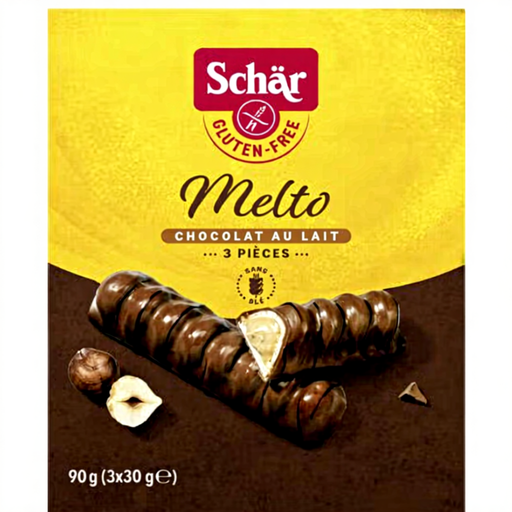 No image available
The pack contains three wafer bars, each weighing 30 g. It’s an option if you’d like to take a smaller sweet snack with you. Check the calories and sugar per bar, as well as the ingredients and allergen information on the pack.
Compare the calories in the portion you’ll actually eat. For the 45 g bars described by EDEKA, 353 kcal per 100 g works out at around 159 kcal per Stracciatella bar, while 383 kcal per 100 g works out at around 172 kcal per Lemon Yoghurt bar. Check the figures on the pack you buy.
No. The protein content alone doesn’t tell you how many calories a bar contains. Compare the calories and protein per portion instead of relying only on the protein claim on the front of the pack.
Some varieties contain sugar alcohols and carry a warning that excessive consumption may have a laxative effect. According to the relevant product pages, this applies to the Sportness bar and the ALDI SPORTS lower-carb bar described here. Check the information on the specific pack.
Check the ingredients list, highlighted allergens and ‘may contain’ statements on the pack for the variety you want. The MAX BALANCE and Sportness protein bars described here list milk and soya, among other ingredients. Information may vary between products.