For occasional close-ups without changing lenses, a compact camera with a suitable macro mode may be enough. For very small engravings and carefully chosen compositions, an interchangeable-lens camera with a macro lens gives you more options. Check the macro mode or magnification ratio of the specific model, and consider lighting, white balance and a stable setup too: the camera alone won’t eliminate reflections or overcome the shallow depth of field at close range.
Which camera option is right for you?
Collectors with an eye for detail
If you want to record engravings, notches or signs of wear, consider close-up capability and depth of field together. Canon Academy explains that depth of field decreases significantly in macro photography as magnification increases.
Photographers who care about colour
If you want patina and metal surfaces to look as true to life as possible under artificial light, the angle of the light and white balance matter just as much as the camera. The Canadian Conservation Institute explains how raking light can bring out texture and surface damage; Canon Germany explains how to adjust white balance in difficult lighting conditions.
Occasional product photographers
If you want to take close-up photos of keys without changing lenses, start by comparing the macro modes on compact cameras. OM SYSTEM specifies a focusing distance from 1 cm in Microscope mode on the Tough TG-7; Ricoh describes a macro mode with an integrated ring light on the PENTAX WG-8.
What matters when photographing old keys?
Compact camera with macro mode
A good fit if: You want to photograph keys and individual details without changing lenses. Check the macro mode and composition at the actual shooting distance.
Keep in mind: At short shooting distances, it can be harder to position additional lighting effectively; a ring light doesn’t replace choosing the right angle of light.
Interchangeable-lens camera with a macro lens
A good fit if: You want small notches or engravings to fill more of the frame and want to choose your lens and lighting position carefully. Nikon specifies a maximum magnification of 1:1 for the NIKKOR Z MC 50mm f/2.8, while Canon specifies a maximum of 1:2 for the RF 35mm F1.8 MACRO IS STM.
Keep in mind: The camera body and lens need to be compatible; at higher magnifications, the shallower depth of field needs particular attention.
First decide whether you want the whole key or its smaller features to take centre stage. Then consider lighting, colour and the depth of field you want.
| Buying criterion |
What to look for |
Who it matters most to |
| Capturing small details |
Check the maximum magnification of the specific lens or the camera’s macro mode; distinguish between a full-key shot and a detail shot. |
If you want to show fine engravings or notches clearly, the composition you want is what matters. Around 36 % of consumers prioritise detail reproduction. |
| Controlling colour and reflections |
Check white balance and, where available, RAW shooting; assess the angle of the light and reflections on your subject. |
If you want patina and metal colours to look true to life under artificial light, pay attention to the lighting too. Around 29 % of consumers prioritise colour and surface appearance. |
| Keeping several depth planes in focus |
Check whether the specific camera body offers focus bracketing and, if available, in-camera stacking; allow space for a stable setup. |
If you want the bow, shaft and bit of the key to be recognisable at the same time, focus across several planes is important. Around 21 % of consumers put it first. |
| Simple setup |
Check the model-specific macro mode and the lighting you’ll need; don’t confuse focusing distance with magnification. |
If you want to shoot without changing lenses, a suitable compact camera mode can make setup easier. Around 14 % of consumers prioritise ease of use. |
Buying decisions that can lead you astray
-
“Macro” doesn’t automatically mean a particular magnification ratio
The figure applies to the specific lens: Canon specifies a maximum of 1:2 for the RF 35mm F1.8 MACRO IS STM, while Nikon specifies a maximum of 1:1 for the NIKKOR Z MC 50mm f/2.8.
Check the full lens name, the stated magnification ratio and what’s included with the specific offer.
-
More megapixels won’t fix glare or colour casts
The angle of the light changes how texture and glare appear; artificial light may also mean you need to adjust the white balance.
Check the lighting position and white balance first, before choosing a different camera body or lens to improve image quality.
-
Focus bracketing doesn’t produce one fully sharp photo
A focus bracket consists of several shots taken at different focus points. A stable setup helps when combining them.
Check whether the specific camera body can capture a focus bracket and whether it combines the images in-camera.
Relevant brands and camera systems
OM SYSTEM
The Tough TG-7 is a compact camera option for close-ups without an interchangeable lens.
- OM SYSTEM specifies a focusing distance from 1 cm in Microscope mode.
- The focusing distance doesn’t prove a magnification ratio of 1:1. Also check whether any light guide accessory you want is included with the specific offer.
Canon
EOS R camera bodies paired with a carefully chosen RF macro lens offer an interchangeable-lens option.
- Canon Germany specifies a maximum magnification of 1:2 for the RF 35mm F1.8 MACRO IS STM and 1.4:1 for the RF 100mm F2.8L MACRO IS USM. Canon describes in-camera focus stacking for the EOS R10.
- The lens specifications apply to the named lenses; neither lens performance nor the stacking function can be assumed for every camera body or kit.
Nikon
A Z camera body with a separately selected Micro lens is another system option.
- Nikon specifies a maximum magnification of 1:1 for the NIKKOR Z MC 50mm f/2.8.
- Check the camera body, lens and what’s included as a whole; the lens specification doesn’t prove that any standard kit has macro capability.
Ricoh Imaging / PENTAX
The PENTAX WG-8 is a compact camera alternative with a macro function.
- Ricoh Imaging describes an integrated ring flash and a macro function.
- These manufacturer specifications don’t state a numerical magnification ratio or establish that the camera has been independently tested on old keys.
Sony
E-mount cameras with a suitable macro lens offer another interchangeable-lens option.
- Sony specifies a maximum magnification of 1:1 for the FE 90 mm F2.8 Macro G OSS and compatibility with E-mount full-frame and APS-C cameras.
- The specification applies to this lens and doesn’t mean that every Sony kit can achieve this magnification ratio.
Camera deals at Joybuy
The following Joybuy offers are listed as cameras. Before buying, check their close-focusing capability, lighting options and white balance for photographing old keys under artificial light.
 No image available
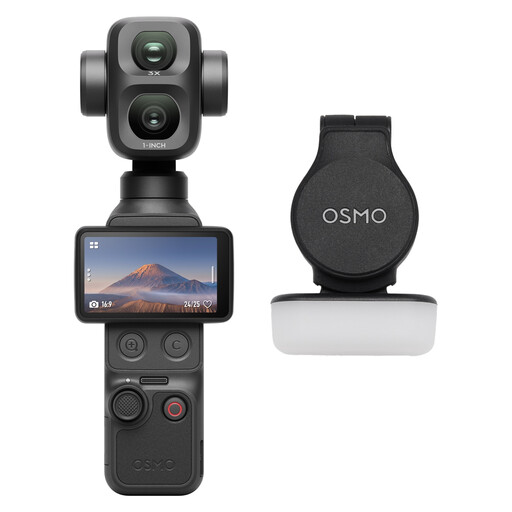
Osmo Pocket 4P, Standard Combo, Black
For photographing keys, check whether this model can focus at the close range you need and how you can light the subject.
View at Joybuy
 No image available
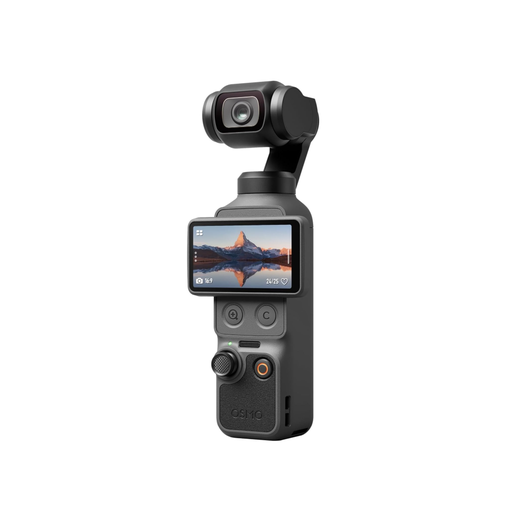
DJI Osmo Pocket 4, Standard Combo
If you’re considering this model for close-ups, check its focusing range and how you can light the key.
The product title lists a 1-inch CMOS sensor, 4K/240fps, 3-axis stabilisation, 2x lossless zoom, 107 GB of built-in storage and a rotatable 2-inch screen.
View at Joybuy
 No image available
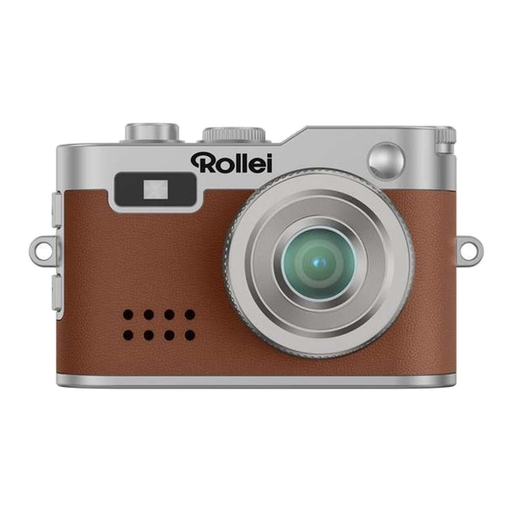
Rollei Mini Digital Camera, Brown
For detailed photos of old keys, check whether you can achieve the composition you want at close range; confirm the camera’s specific functions before buying.
View at Joybuy
 No image available
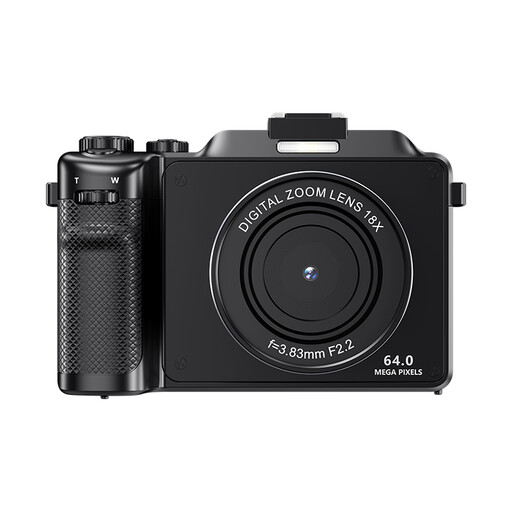
KOMERY X9 digital camera
If you need additional lighting where you’re shooting, check whether the camera’s light is suitable for illuminating your key.
View at Joybuy
 No image available
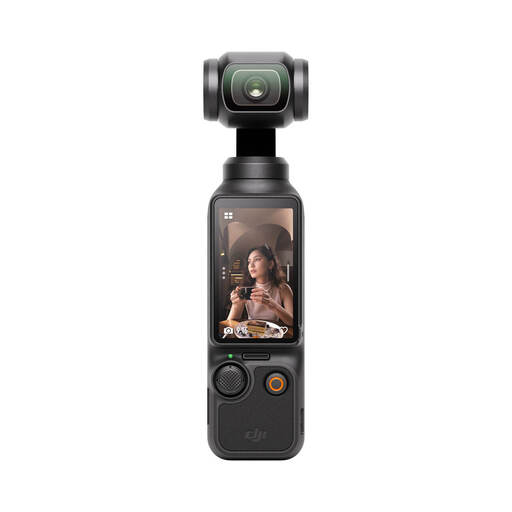
DJI Osmo Pocket 3
For photographing keys, check whether this specific model can achieve the close focus you need and the depth of field you want.
The product title lists a 1-inch CMOS sensor, 4K/120fps, 3-axis stabilisation and fast focusing.
View at Joybuy
Frequently asked questions
Do I definitely need a 1:1 macro lens to photograph an entire old key?
No. What matters is how large you want the whole key or the detail in question to appear in the frame. Compare the magnification ratio of the specific lens with the composition you want: 1:2 and 1:1 are different specifications.
How should I start with lighting if I want the engraving and patina to show?
Start with a stable setup and adjust the angle of the light. The Canadian Conservation Institute describes even lighting for general documentation and raking light for bringing out texture and surface damage. Try these lighting techniques on your key, then adjust the white balance to suit the artificial light.
Does image stabilisation make a tripod unnecessary when photographing stationary keys?
Not necessarily. At close range, a stable setup can help you keep compositions consistent and capture focus brackets. Check the stabilisation specifications for the specific camera body and lens combination.
What are my rights if I buy a faulty camera in Germany?
For consumer purchases from a business seller, a statutory guarantee generally applies for at least two years from the date you receive the goods; your point of contact is usually the seller. A voluntary manufacturer’s guarantee doesn’t replace these rights. Your Europe, the European Union’s information portal, explains how these rules apply to consumer purchases.
How should I dispose of an old camera and its removable battery in Germany?
Don’t put waste electrical equipment in your household rubbish; take it to an appropriate collection point instead. The German Environment Agency recommends removing a battery that can be taken out easily and handing it in separately at a battery collection point.


