
Lieferung heute & morgen

Qualitätsgarantie

Willkommens-Angebote freischalten: KOSTENLOSE Lieferung | Bis zu 80 % RABATT | Kostenlose 30-Tage-JoyPlus-Testphase
App herunterladen
The search for a new 4K TV can quickly become overwhelming. Manufacturers advertise with a flood of technical terms and supposed innovations. But not every promising-sounding feature actually delivers real value in practice. Often, it's these over-hyped features that lead to disappointment and unnecessary expense.
As your Joybuy Product Recommendation Officer, I'm here to help you navigate these marketing traps. In this guide, we'll focus on the critical criteria that truly matter and show you how to find a model that perfectly fits your needs.
Before we dive into the important technical details, let's highlight the most common pitfalls that often lead to a bad purchase.
To make the right choice, you should focus on a few, but decisive, technical features.
The technology behind the screen is a key determinant of image quality.
These two standards are indicators of a high-quality audiovisual experience.
For console gamers, certain features are indispensable. A modern gaming TV should have HDMI 2.1 ports. These enable features like:
Here are some recommendations tailored to different user profiles that meet the criteria mentioned above.
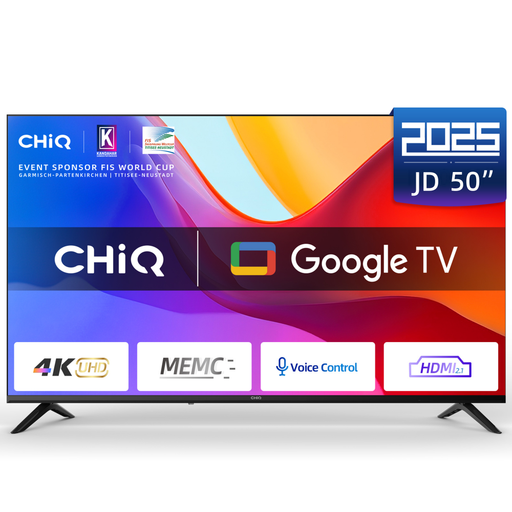
Why This Fits Their Persona: Ideal for users seeking a solid 4K experience with modern smart features without a large budget. The QLED technology and Google TV operating system offer significant value in this price range.
Thanks to Google TV, this model avoids the outdated OS trap, offering a future-proof, fast platform. Its QLED technology ensures better colour reproduction than basic LED TVs.
Excellent value for money; modern Google TV operating system; HDMI 2.1 with ALLM for casual gamers.
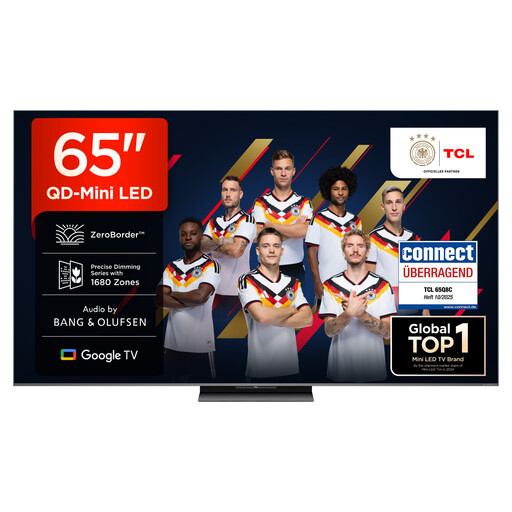
Why This Fits Their Persona: For those who want an uncompromising cinema experience in their own living room. The large 65-inch TV combines advanced Mini LED technology with comprehensive HDR support and high-quality sound.
This model bypasses the "HDR trap" with high peak brightness (rated by TCL as 4K HDR PREMIUM 4500) and Dolby Vision IQ. The native 144Hz rate also ensures excellent motion clarity, far exceeding the standard.
Outstanding contrast and brightness thanks to QD-Mini LED technology; native 144 Hz panel; comprehensive format support with Dolby Vision IQ & Atmos.
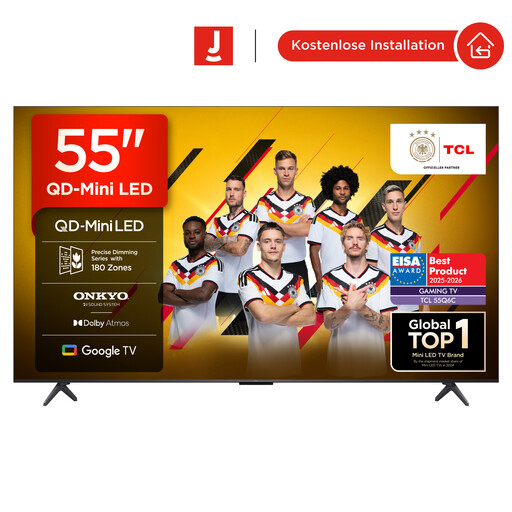
Why This Fits Their Persona: Designed for gamers who refuse to compromise on performance. This model combines an extremely high refresh rate with all the essential gaming technologies for a fluid and responsive experience.
It avoids the misleading refresh rate trap with a native 144Hz panel and supports VRR as well as AMD FreeSync Premium Pro. This makes stutter and tearing a non-issue.
Complete gaming package with 144Hz VRR, ALLM, and FreeSync; Mini LED technology for high image quality; Game Master mode for optimised settings.
We've compiled a complete, real-time updated list of products that fully meet these strict selection criteria.
The ideal size depends on your viewing distance. A rule of thumb for 4K TVs is: viewing distance (in cm) divided by 1.5 equals the recommended screen diagonal (in cm). For a typical living room with a 2.5 to 3-metre viewing distance, a 65-inch TV is often a great choice to take full advantage of the high resolution without the image looking pixelated.
Google TV is a user interface based on Android TV. Its main advantage lies in personalised content recommendations across various streaming services and seamless integration with Google Assistant. Other systems like Tizen (Samsung) or webOS (LG) are also powerful, but Google TV stands out for its particularly vast selection of apps and tight integration with the Android ecosystem.
For PlayStation 5 or Xbox Series X owners, a TV with native 120 Hz support is highly recommended, as many games offer modes for 120 frames per second (fps). This results in noticeably smoother and more responsive gameplay. A 144 Hz panel offers a further, albeit smaller, advantage and is particularly interesting for PC gamers whose graphics cards can achieve these high frame rates. For casual gamers, 60 Hz is often sufficient, but for a future-proof setup, a 120 Hz or 144 Hz model is the better choice.