Daytime viewers with large windows
If you watch period dramas in daylight, check where the TV will go and look at reflectivity measurements for the specific model. RTINGS.com points out that screen brightness and reflectivity are different factors.


If you often watch TV in front of bright windows, a Mini LED LCD is a natural choice, provided tests for the specific model show good visibility in daylight and low reflectivity. If dark film scenes and viewing from the side matter to you too, an OLED could be a good fit – but check its reflectivity measurements and make sure it’s bright enough for your room. RTINGS.com treats screen brightness and reflectivity as separate factors.
If you watch period dramas in daylight, check where the TV will go and look at reflectivity measurements for the specific model. RTINGS.com points out that screen brightness and reflectivity are different factors.
If you want to pick out details in dark interiors while also watching during the day, compare contrast and reflections together. RTINGS.com highlights the strengths of OLED and Mini LED in different lighting conditions.
If several people will be watching, screen size, viewing angles and the right size variant all matter. Philips lists viewing from different angles as a feature of the 65OLED910/12; check the viewing angles and dimensions for each model separately.
Check reflections and daytime visibility separately from the way dark scenes are displayed. Make sure the dimensions and energy information match the exact model variant.
| Buying priority | What to look for | Who is it important to? |
|---|---|---|
| Window reflections | Check direct and indirect reflections for the specific model, as well as the angle between the window, TV and your seat. | When I sit opposite a bright window during the day, I want to avoid seeing reflections while watching a drama. Around 36% of consumers put reflection control first. |
| Daytime picture detail | Compare brightness and contrast tests for the size variant you want, rather than relying on peak brightness alone. | I want to make out faces and dark fabrics during the day without relying solely on advertised peak brightness. Around 29% of consumers prioritise this kind of daytime detail. |
| Film contrast in the evening | Look at tests of dark scenes and reflections together; the panel type and peak brightness alone aren’t enough. | For film nights, I want dark interiors to retain their detail, even if I watch during the day. Around 21% of consumers put film contrast first. |
| Size and power consumption | Measure the space for the TV or its mounting position, and check the energy label for the exact model variant. | I need to make sure the screen size fits my furniture or wall and check the power consumption of the specific variant. Around 14% of consumers prioritise size and running costs. |
An HDR brightness figure doesn’t tell you how strongly a window will reflect in the screen or how bright an entire scene will look.
Check brightness and reflectivity measurements separately for the model you’re considering.
Matt and glossy finishes can affect reflections and black levels differently in ambient light.
Compare measurements for direct reflections and black levels in a lit room, rather than choosing based on the screen finish alone.
Product details and energy labels apply to specific model variants, so the dimensions and power consumption should match the size you want.
Check the full model number and dimensions against the EU energy label or the EPREL listing.
The 2025 GQ77S95FATXZG is an OLED option with a Glare-Free finish explicitly listed as a feature.
The XR-75X95L is a Mini LED LCD model, while the BRAVIA-8-II range is a separate QD-OLED option.
The 85C9K is a large-screen QD Mini LED option.
The OLED65G59LS is an OLED evo option for buyers weighing up daytime viewing and film nights.
The 65OLED910/12 combines OLED with Ambilight and is another option for film nights.
The Joybuy models below include Mini LED TVs in a range of sizes and one OLED option. For each TV, check reflectivity measurements and the dimensions of the size variant you want.
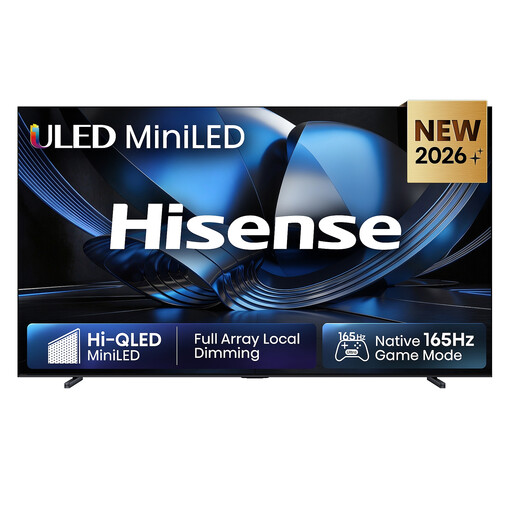 No image available
The 100-inch version is worth considering if a large screen for watching together is important; check the space available and reflections in the room first.
Features listed in the product name: 4K, 165Hz, Dolby Atmos and VIDAA Smart OS.
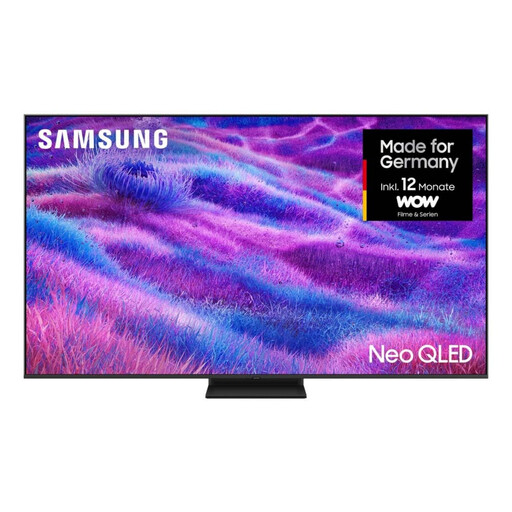 No image available
The 85-inch size is worth considering if several people will be watching together; check the dimensions against the space you have available.
Features listed in the product name: Mini LED, 4K and Dolby Atmos.
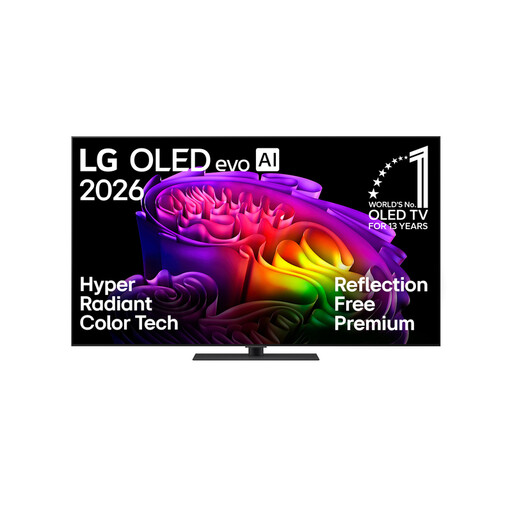 No image available
This OLED option could suit you if dark film scenes are a priority; also check reflections and brightness for the light coming through your windows.
Features listed in the product name: 4K, Dolby Vision and Dolby Atmos. The product information recommends avoiding displaying static images for unnecessarily long periods and using the OLED care features provided.
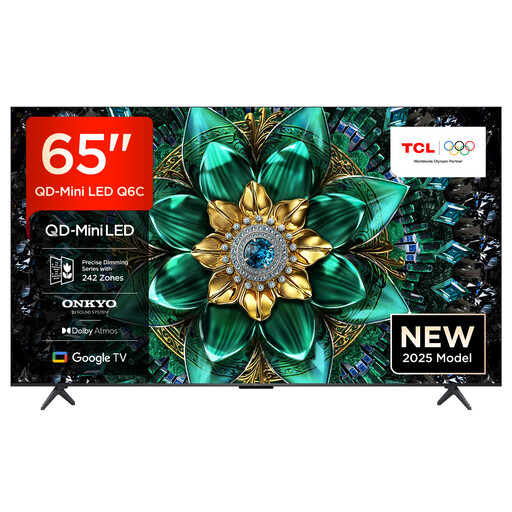 No image available
The 65-inch version is a Mini LED option for a room where you should also consider the right screen size and viewing distance.
Features listed in the product name: 4K HDR Premium, Dolby Vision IQ and Dolby Atmos. Place the TV on a stable surface or mount it securely.
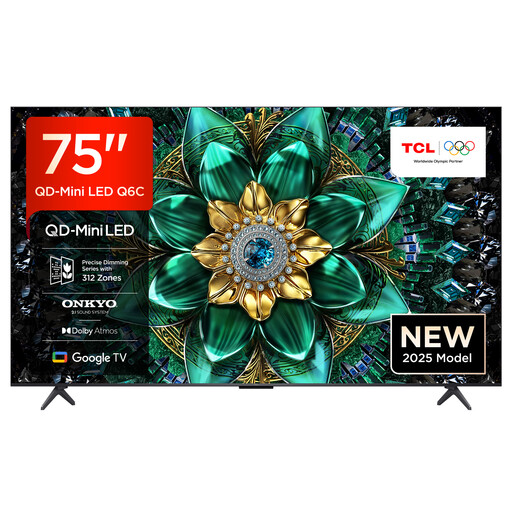 No image available
If you’re looking for a larger screen, check that the 75-inch version suits your viewing distance and the space in your room.
Features listed in the product name: 4K HDR Premium, Dolby Vision IQ and Dolby Atmos. Mount the TV securely or place it on a stable piece of furniture.
No. Matt and glossy finishes can affect reflections and black levels differently in ambient light. Compare measurements for the specific model and take the position of your windows into account.
Measure the available space, including the stand, and check that the mount is suitable for the full model number. Sony notes in its mount information that listed models may not be available in every region.
Follow the instructions for your specific model and avoid leaving static elements on screen for unnecessarily long periods. LG explains that pixel cleaning on its OLED TVs may continue after the TV is switched off, so it should remain plugged in; this is a manufacturer instruction, not a general guarantee against burn-in.
Compare the EU energy label for the exact model variant; the European Commission lists EPREL as an information resource for electronic displays. In Germany, the broadcasting contribution is generally charged per household, not as an extra fee for each newly purchased TV. Exemptions apply depending on your living arrangements.
No. According to the German Federal Network Agency, monthly fees for TV or broadband connections can no longer be charged as service costs since 1 July 2024. If you want to use cable TV, check the individual contract that applies to your home; this rule concerns how you receive the service, not the suitability of the TV screen.