
Lieferung heute & morgen

Qualitätsgarantie

Willkommens-Angebote freischalten: KOSTENLOSE Lieferung | Bis zu 80 % RABATT | Kostenlose 30-Tage-JoyPlus-Testphase
App herunterladen
An olive oil dispenser should do more than simply hold liquid. It needs to feel comfortable to hold while you cook, let you pour with control and be easy to clean. Oil bottles, kitchen oil dispensers and seasoning dispensers also vary considerably in their materials, capacity and closure.
If you buy based on looks alone, it’s easy to overlook practical drawbacks. Three common pitfalls are worth bearing in mind:
Before you buy, it’s worth checking the product’s specific features rather than relying on general marketing claims.
A glass oil bottle lets you see how much is inside at a glance. That’s useful if you use different liquids such as olive oil, balsamic vinegar or soy sauce. Glass can break if knocked, though, so it needs to be handled with care.
Stainless steel is less susceptible to light and physical damage. According to the product information, the Maxcook model’s container is made from 304 stainless steel. The handle is made from 201 stainless steel and beech wood, so the container itself isn’t made entirely of wood. Don’t leave wooden handles in water for long periods, and dry them thoroughly after cleaning.
For any food container, check the manufacturer’s guidance on what it’s intended to hold. Care instructions can vary between products designed for oil, vinegar, soy sauce and other liquid seasonings.
A good spout should give you control over the flow and minimise drips running back down after pouring. Claims such as ‘leakproof oil bottle’ or ‘drip-free’ shouldn’t be taken at face value. Specific design features are more useful to look for:
A refillable oil bottle is particularly convenient if you can open the closure without needing a funnel. Even so, don’t fill it right to the top, as liquid could spill over when you put the spout back in.
For everyday use, 500 to 600 ml is a good all-round capacity for many households. It holds enough for regular cooking without making the dispenser unnecessarily heavy. A 1,000 ml oil dispenser is better suited to frequent users or as a main storage bottle.
Check the cleaning instructions before you buy. Some models are described as hand-wash only. Stainless steel parts with wooden details need to be dried thoroughly. Handle glass bottles carefully and check them for cracks. You can remove oil residue with warm water and a suitable washing-up liquid; a bottle brush is useful for narrow openings.
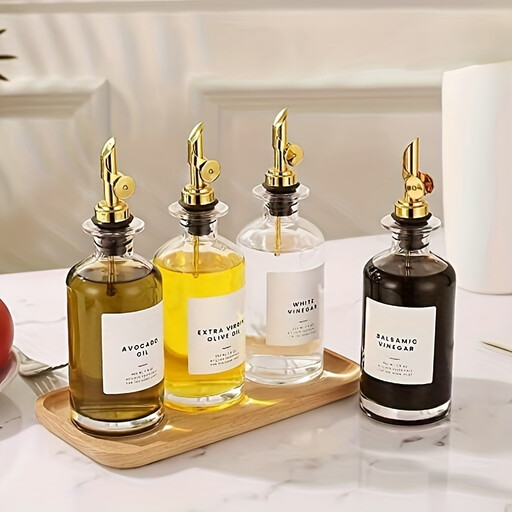
Why this product suits you: This two-piece set is ideal if you’d like to store two liquids, such as oil and vinegar, separately and keep your kitchen organised.
Having two separate bottles means you don’t need to switch between different liquids. Before buying, check the product page for details about the closure and access for cleaning.
Two-piece set and transparent glass design, according to the product name.
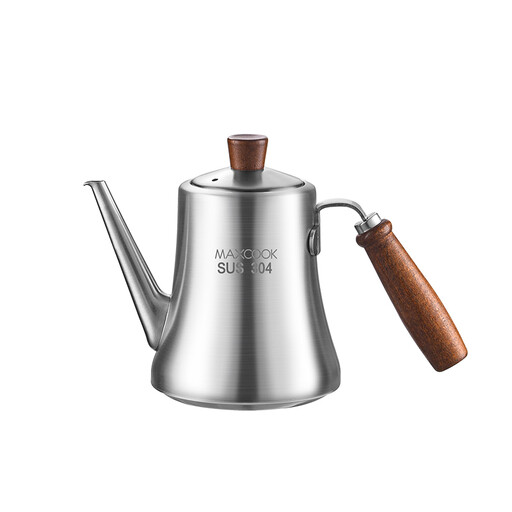
Why this product suits you: Its 304 stainless steel container, Eagle-style spout and ergonomic handle make it a good choice if you prioritise material specifications and controlled pouring.
The product description specifies a wide opening for easy refilling and cleaning, along with an integrated dust cover. Hand washing is recommended.
304 stainless steel, 500 ml capacity and one-handed operation, according to the product information.
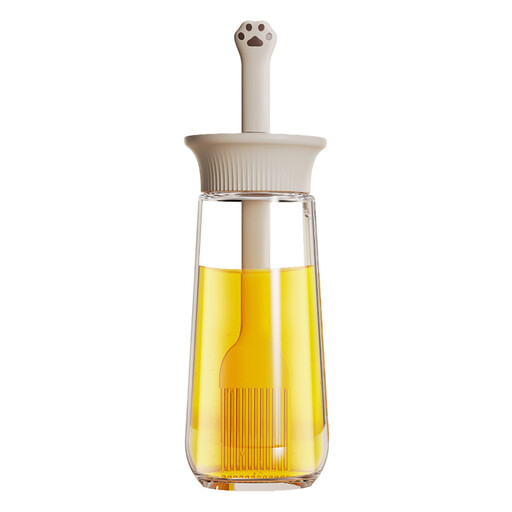
Why this product suits you: This oil bottle with a brush is designed for baking, marinating or brushing food. Its integrated silicone brush makes it useful for more than simply pouring.
The product description says the detachable design makes cleaning easier. Remove any oil or batter residue from the brush after use.
Soda-lime glass, detachable design and silicone brush, according to the product information.
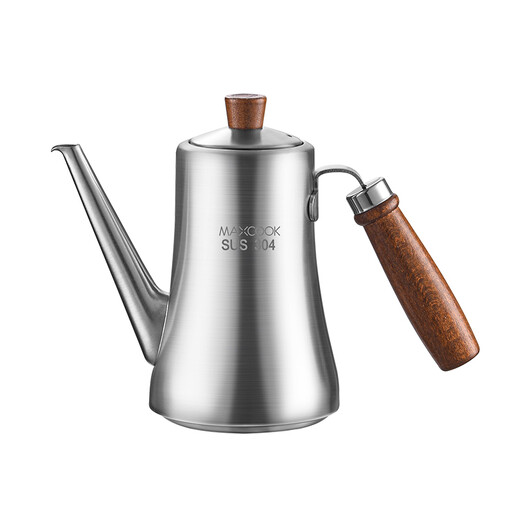
Why this product suits you: Its larger capacity is ideal for households that regularly use oil, sesame oil or soy sauce and want to refill as infrequently as possible.
The product description says the wide opening makes refilling and cleaning easier. Given its larger capacity, make sure it has a stable place to stand.
1,000 ml capacity, 304 stainless steel and Eagle-style spout, according to the product information.
We’ve put together a complete, regularly updated list of products that meet these strict selection criteria and the applicable EU safety regulations.
First, empty out any remaining oil. Then clean the container, spout and closure – if they can be removed – with warm water and a suitable washing-up liquid. A bottle brush is useful for glass bottles. Dry stainless steel and wooden parts thoroughly after hand washing.
A smaller model of around 150 to 300 ml is often enough for occasional cooking. For everyday use, 500 to 600 ml is a practical size. If you use oil frequently, you could choose a 1,000 ml dispenser, but bear in mind that it’ll be heavier when full.
That depends on the manufacturer’s guidance and the design. Many models are intended for different liquid seasonings, including oil, vinegar and soy sauce. Before filling the dispenser, check that the closure, seals and cleaning instructions are suitable for the liquid you want to use.