What should you look for when buying?
When you’re cooking together, the main considerations are the texture you want for your tapenade, a bowl that suits the portion size, clean transitions between tasks and the value of any extra functions.
Mini chopper
A good fit if: You mainly make small amounts of tapenade or other dips and want to control the texture with short bursts.
Consider: A smaller bowl may mean processing several batches to make multiple portions. Check the usable capacity of the specific model.
Compact food processor
A good fit if: You regularly chop, slice or grate ingredients for other dishes as well as making tapenade.
Consider: Slicing and grating discs won’t chop olive paste. For tapenade, the blade, portion size and ease of cleaning matter most.
Larger food processor
A good fit if: You’re planning to prepare larger quantities and tackle different food-preparation tasks at the same time.
Consider: A larger stated capacity doesn’t guarantee that the appliance can handle a small portion of tapenade. Make sure the appliance and attachments suit your available space and cleaning routine.
| Priority |
What to check when buying |
Who is this important to? |
| Tapenade texture |
Blade and pulse function; check the texture in short bursts. |
If I want to keep visible pieces of olive or gradually make the paste smoother, I need to be able to control the processing. Around 33% of consumers put texture control first. |
| Portion size and timing |
Compare the bowl size, blade and guidance on usable capacity. |
If I’m preparing tapenade and other dishes to serve together, the bowl needs to suit the quantities I have planned. Around 25% of consumers prioritise coordinating portions and preparation. |
| Cleaning and storage |
Check the care instructions for removable parts and have a clean container ready. |
If I use an appliance for different cooking tasks, I want to clean the parts thoroughly and keep the prepared tapenade chilled until serving. Around 25% of consumers put cleaning and hygienic storage first. |
| Other uses and space |
Check the extra tasks you have in mind, the included attachments and the appliance’s dimensions. |
If I also want to slice or grate ingredients with the same appliance, I weigh up the extra uses against the space it takes up and the additional parts. Around 17% of consumers prioritise other kitchen tasks and the space needed for them. |
Joybuy products for chopping tasks
The following Joybuy options are designed for chopping and related food-preparation tasks, including making dips. Controls, bowl sizes and cleaning requirements vary, so check how they match the portions and cooking tasks you have in mind.
 No image available
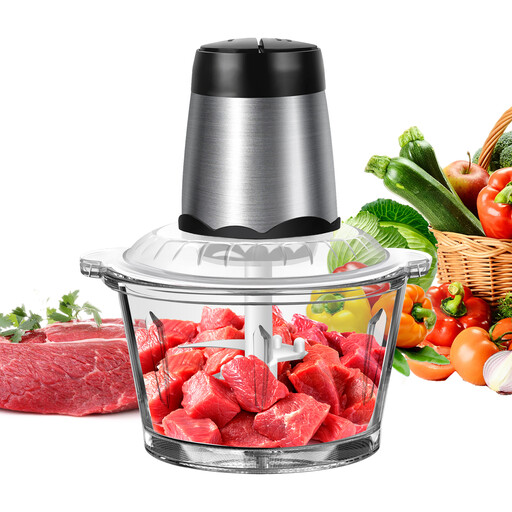
2-litre electric chopper with glass bowl
The stated pulse function may be useful for controlling the texture gradually as you chop.
The product title specifies a 2-l glass bowl and stainless steel blades; the description lists two speed settings and removable, dishwasher-safe parts.
View at Joybuy
 No image available
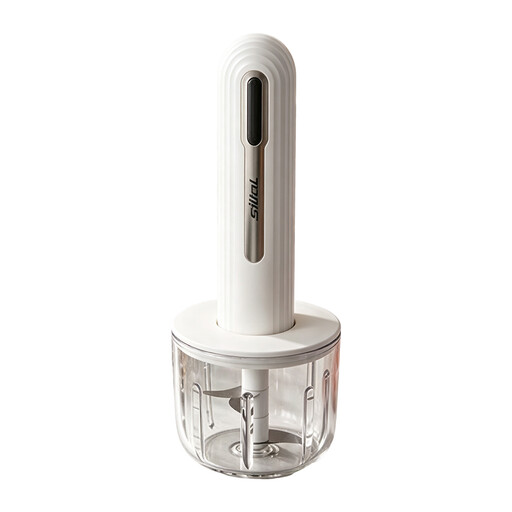
Cordless mini chopper
According to the description, the transparent container lets you keep an eye on the ingredients during short bursts.
The product information says the removable parts should be washed by hand.
View at Joybuy
 No image available
ochama multifunction blender, 600 W, 1.5 l
This appliance is only worth considering if a multifunction blender with a meat chopper suits the tasks you have planned.
The product title specifies 600 W, 1.5 l and three speed settings.
View at Joybuy
 No image available
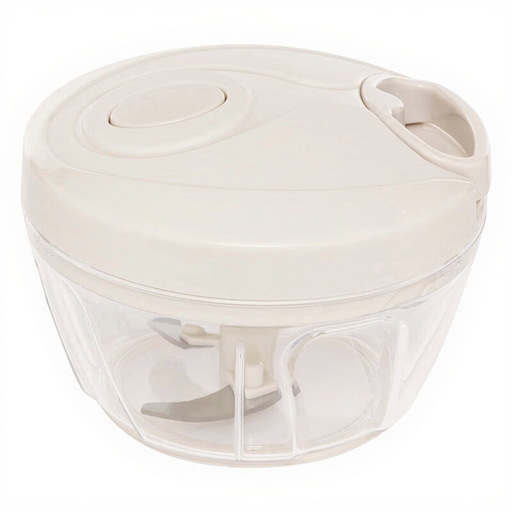
5five mini food processor with pull cord
The manual pull-cord mechanism is only suitable if you’re happy to use an appliance without an electric motor.
The product description mentions chopping herbs and making salsa and dressings.
View at Joybuy
 No image available
Bear QSJ-D03Q1 chopper with two glass bowls
Two bowl sizes may be useful for different portion sizes; the description says the appliance has separate blade sets.
The bowls hold 2 l and 0.6 l; the product title specifies 300 W. According to the description, the bowls and lids are not heat-resistant.
View at Joybuy
Frequently asked questions
How can I keep the tapenade chunky?
Start with short bursts and check the texture. A KitchenAid recipe recommends processing for less time for a chunkier result, then using further pulses as needed. The timings given are for the appliance used in the recipe, not every model.
What should I do between preparing different ingredients when cooking together?
Clean shared appliances thoroughly before using them with other ingredients. The Federal Centre for Nutrition recommends washing kitchen appliances thoroughly in hot water between tasks; also follow the care instructions for your specific appliance.
Can I make tapenade ahead of a meal with friends or family?
Yes. Once prepared, you can keep it in a clean, airtight container in the fridge. KitchenAid recommends this storage method but doesn’t give a general storage time. The German Federal Institute for Risk Assessment advises against making and storing homemade vegetable or herb products in oil for raw consumption at home; this isn’t a specific storage-life assessment for every tapenade recipe.
Are a guarantee and your statutory rights the same thing?
No. Your statutory rights cover faults and are the retailer’s responsibility; a guarantee is an additional voluntary promise with its own terms and conditions. The Consumer Advice Centre says that purchases from a retailer generally come with a two-year statutory warranty period.
What rules apply to bowls and blades that come into contact with food?
Materials and articles intended to come into contact with food are covered by the EU framework Regulation (EC) No 1935/2004. The European Commission explains that they must not release quantities of substances that could harm health or unacceptably alter the food’s composition, taste or smell. This general requirement doesn’t prove that a particular product complies.


