
Lieferung heute & morgen

Qualitätsgarantie

Willkommens-Angebote freischalten: KOSTENLOSE Lieferung | Bis zu 80 % RABATT | Kostenlose 30-Tage-JoyPlus-Testphase
App herunterladen
If you’re looking to buy omega-3 capsules, you’ll quickly find plenty of options labelled “2000 mg”, “high strength” or “pure fish oil”. These figures aren’t always directly comparable, though. What matters is how much EPA and DHA each daily serving actually contains, where the fatty acids come from and whether the format suits your daily routine.
This buying guide will help you avoid common marketing pitfalls and make an informed comparison between fish oil, krill oil and vegan omega-3 from algae oil.
The claim “Omega 3 2000 mg” may refer to the total amount of fish oil or algae oil, which contains several different fatty acids. So, when comparing products, check the nutrition table and look specifically for EPA and DHA.
For example, a product containing 2000 mg of fish oil may provide 1100 mg of omega-3 fatty acids, including 660 mg of EPA and 440 mg of DHA, according to the product information. Another product with the same amount of oil may have a different concentration.
At first glance, 400 fish oil capsules may seem like a better deal than 90 softgel capsules. What matters, however, is the recommended daily serving. For example, a pack of 240 capsules will provide 120 servings if you take two capsules a day. The number of days’ supply can vary considerably for a product that recommends one or two capsules daily.
With algae oil omega-3, EPA and DHA come directly from marine microalgae. You should also check the capsule shell, as some omega-3 products use a gelatine shell. If you’re looking for a plant-based alternative, check for claims such as 100% vegan, as well as algae oil and a plant-based softgel shell.
EPA and DHA are the main long-chain omega-3 fatty acids found in fish oil, krill oil and some algae oil products. Approved EU nutrition claims include that EPA and DHA contribute to the normal function of the heart. There are also approved claims for DHA’s role in normal brain function and vision, provided the required daily intake is met.
This is not a therapeutic claim and does not replace medical advice. When comparing products, check the exact amount per daily serving, not just the amount of oil.
Softgel capsules are usually taken with water and a meal. For many products, taking them with a main meal follows the manufacturer’s recommendation. Any allergens in fish or krill oil should be clearly labelled. In addition, pregnant or breastfeeding women, people under medical supervision and anyone taking medicines such as blood thinners should check with a medical professional before use.
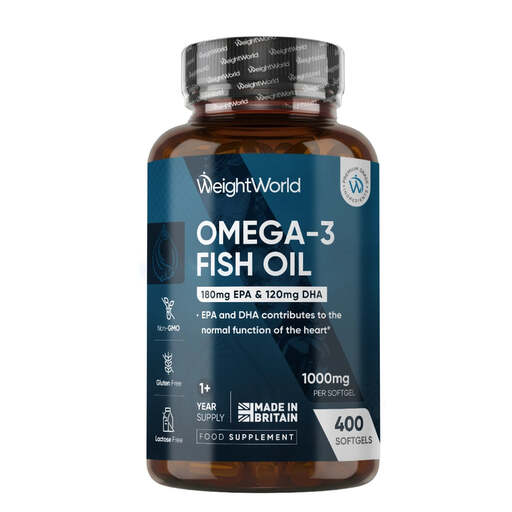
Why it suits this profile: The pack contains 400 softgel capsules. According to the product information, each capsule provides 1000 mg of fish oil containing EPA and DHA; the recommended serving is one to two capsules a day.
The amount of oil and the recommended number of capsules are listed separately. This makes it easier to work out how long the pack will last than comparing products by pack size alone.
400 capsules; the product information states that the fish oil is molecularly distilled and tested for PCBs and heavy metals.
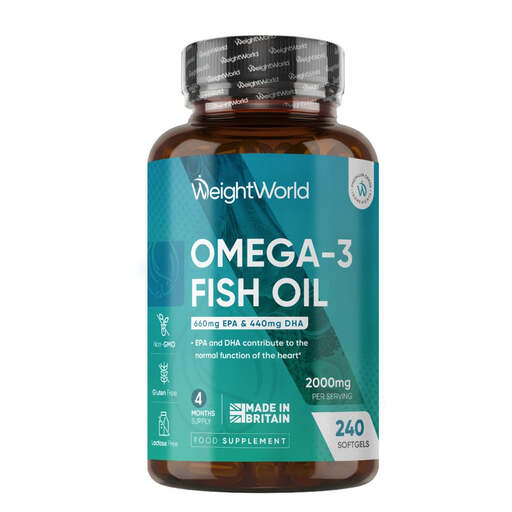
Why it suits this profile: According to the product information, the daily serving of two capsules contains 2000 mg of fish oil, including 660 mg of EPA and 440 mg of DHA. This makes it easier to check the amounts of each fatty acid.
The “2000 mg” claim is accompanied by specific EPA and DHA figures. The product information also mentions IFOS certification.
240 capsules, or 120 daily servings; gluten-free and lactose-free according to the product information.
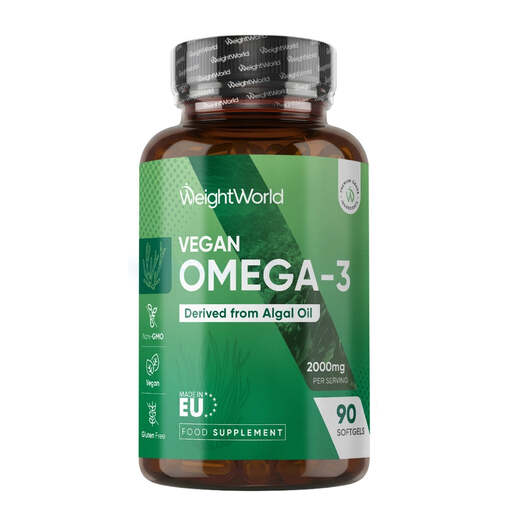
Why it suits this profile: According to the product information, it uses algae oil from Schizochytrium sp. and a plant-based softgel shell. It’s intended for adults who want to avoid fish and animal-derived gelatine.
The source and capsule shell are clearly specified. This makes it easier to check whether the product has the vegan composition you’re looking for.
90 softgel capsules; the product description states that they’re free from fish, crustaceans, gluten and dairy.
We’ve put together a complete, regularly updated list of products that meet these strict selection criteria and fully comply with the safety regulations in force in the EU.
The best-before date is printed on the packaging. Once opened, store the capsules in a cool, dry place away from direct sunlight. Always follow the specific storage instructions from the manufacturer.
The products mentioned here are recommended to be taken with water and a main meal. However, always follow the instructions on the product label. Do not exceed the recommended daily dose.
Both options can provide EPA and DHA, but they differ in their source, allergens and capsule shell. Fish oil may suit people without a fish allergy, while algae oil omega-3 is a plant-based alternative. Choose based on the EPA and DHA content, the ingredients list and your personal diet.