
Lieferung heute & morgen

Qualitätsgarantie

Willkommens-Angebote freischalten: KOSTENLOSE Lieferung | Bis zu 80 % RABATT | Kostenlose 30-Tage-JoyPlus-Testphase
App herunterladen
Omega-3 capsules can be a practical addition to your diet if you rarely eat oily fish or are looking for a plant-based alternative. However, the choice can be confusing: terms such as “1000 mg omega-3”, “high-strength”, “purified” and “sustainable” do not always describe the same product features.
When comparing fish oil capsules, krill oil capsules or vegan omega-3, it’s worth looking beyond the number on the front of the pack. What matters is the actual amount of EPA and DHA, the source of the oil, the format, and any information about allergens and age groups.
“1000 mg omega-3” may mean that one capsule contains 1000 mg of fish oil. The amount of omega-3 fatty acids it contains may be considerably lower. That’s why it’s worth checking the nutrition table:
For concentrated products, the specific EPA and DHA amounts are more informative than the total weight of the fish oil.
Marketing terms are no substitute for product information that can be checked. Details such as molecularly distilled, tested for heavy metals or a specific quality certification can help you assess a product. Even so, you should compare the information on the label with the product description.
Storage matters too. Follow the packaging instructions and keep omega-3 oils in a cool, dry place, away from light. An unpleasant smell or taste may indicate that product quality has been compromised. If this happens, stop using the product.
Softgel capsules are usually straightforward for adults, but they’re not suitable for everyone. If you have difficulty swallowing capsules, you could look for chewable tablets or gummies. Products for children have their own age recommendations and dosage instructions. Vegans also need a capsule shell and oil source that contain no animal-derived ingredients.
EPA and DHA are long-chain omega-3 fatty acids commonly found in fish oil, krill oil and algae oil. The product should clearly state the amount of each per daily serving. The authorised EU nutrition claim is that EPA and DHA contribute to the normal function of the heart when consumed daily at 250 mg. This is a legally authorised claim about normal bodily function, not a promise to treat or cure a condition.
DHA is also associated with normal brain function and normal vision when the required daily intake is reached. Always follow the dosage instructions on the label and don’t increase your intake on your own.
A large number of capsules is only economical if the serving size suits your needs and you use the product regularly. So compare the number of daily servings, not just the number of capsules. A pack of 400 capsules taken at two capsules a day will last a different length of time from a pack of 400 capsules taken at one capsule a day.
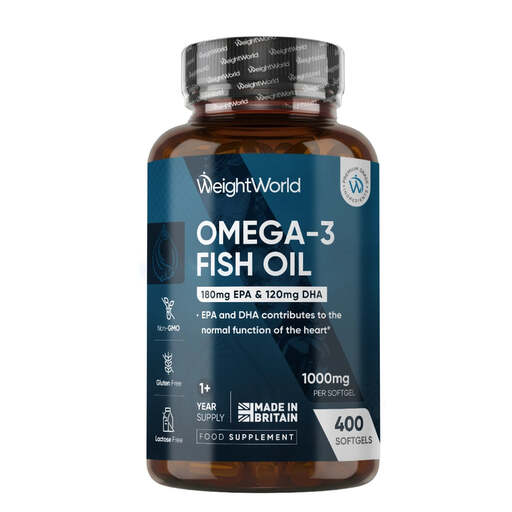
Why this product suits this need: The pack contains 400 softgel capsules. According to the product description, one capsule provides 1000 mg of fish oil with EPA and DHA, making it suitable for people who prefer to buy in bulk for long-term use.
The product description states the serving size and mentions molecular distillation and testing for PCBs and heavy metals. Check the EPA and DHA amounts directly on the label before buying.
Large pack of 400 softgels; fish oil source and recommended intake of one to two capsules a day, according to the product information.
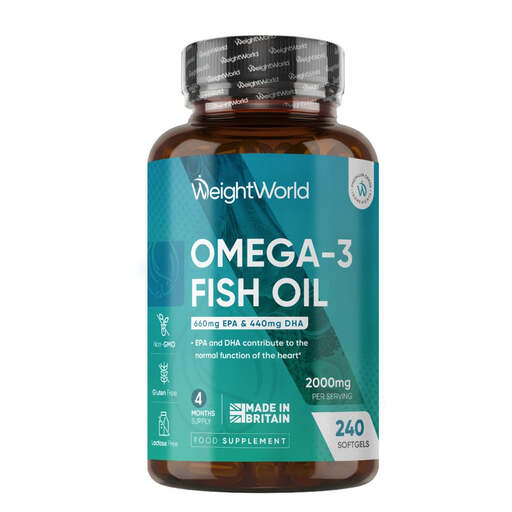
Why this product suits this need: According to the product description, a daily serving of two softgels provides 1100 mg of omega-3 fatty acids, including 660 mg of EPA and 440 mg of DHA.
The information distinguishes between the total amount of fish oil and the omega-3 fatty acids it contains. The product description also mentions IFOS certification; check the current labelling before placing your order.
Clear breakdown of EPA and DHA; 240 capsules, or 120 servings, according to the product information.
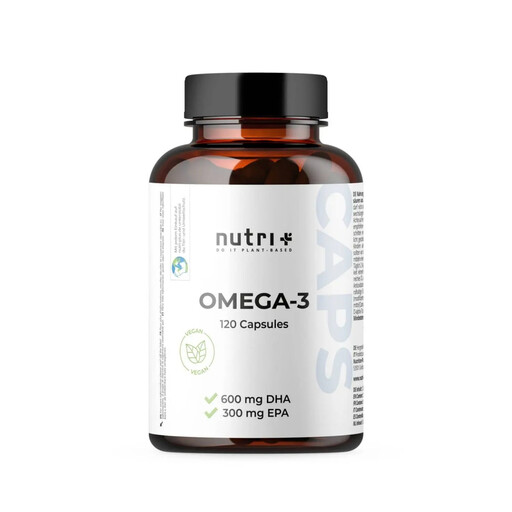
Why this product suits this need: The product uses algae oil from Schizochytrium sp. and a plant-based capsule shell. According to the product description, a daily serving of two capsules contains 600 mg of DHA and 300 mg of EPA.
The oil source and capsule shell are clearly identified. This makes it easier to check whether the product is suitable for a vegan diet.
Algae oil with EPA and DHA; according to the product information, free from fish, crustaceans, gluten and dairy.
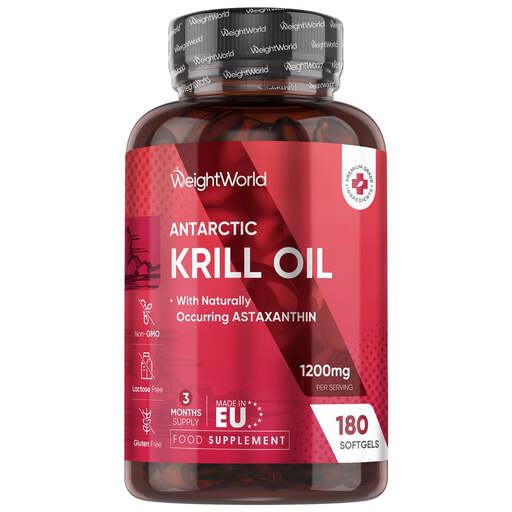
Why this product suits this need: According to the product description, the daily serving is two capsules and provides 144 mg of EPA and 65 mg of DHA. The pack contains 180 softgels.
The source is identified as Antarctic krill oil. The product information also lists crustaceans and fish as allergens, and gelatin as an ingredient in the capsule shell.
180 softgels; astaxanthin, choline and phospholipids are also listed as naturally occurring or included ingredients.
We’ve put together a comprehensive, regularly updated list of products that meet these strict selection criteria and fully comply with the safety regulations in force in the EU.
Products for children shouldn’t automatically be replaced with supplements intended for adults. Check the minimum age, recommended daily amount and format. According to the product information, Doppelherz Active Omega-3 Kids is intended for children aged four and over, and also contains vitamin D. Different requirements apply to younger children. If your child takes medication or has an existing health condition, seek medical advice before use.
Gummies and chewable tablets may be easier to take, but depending on the product, they can contain sugar, sweeteners or gelling agents. You should also bear the risk of choking in mind when choosing omega-3 products for children.
The best-before date is shown on the packaging. Once opened, follow the manufacturer’s storage instructions. Heat, light and moisture can affect the shelf life of an oil product. Don’t use an opened pack beyond the date shown.
This depends on the EPA and DHA content, the stated serving size and the product. Some supplements recommend one capsule a day, while others recommend two. Always follow the usage instructions on the label. Don’t exceed the recommended daily dose.
Algae omega-3 can provide DHA and, depending on the product, EPA too. Plant oils such as linseed oil, on the other hand, mainly contain ALA. If you’re specifically looking for EPA and DHA, check the nutrition table rather than relying only on the term “plant-based omega-3”.