
Lieferung heute & morgen

Qualitätsgarantie

Willkommens-Angebote freischalten: KOSTENLOSE Lieferung | Bis zu 80 % RABATT | Kostenlose 30-Tage-JoyPlus-Testphase
App herunterladen
If you’re looking to buy Omega-3 capsules, you’ll find a wide choice of fish oil, algal oil and krill oil products. The product details can look similar at first, but closer inspection often reveals significant differences. What matters is not just the milligram figure on the front or the size of the pack, but the fatty acids it actually contains, the recommended daily intake and whether it suits your diet.
This buying guide explains what adults in Germany should look for in an Omega-3 food supplement, and which product profiles may suit different needs.
“1000 mg fish oil” does not automatically mean that a capsule contains 1000 mg of EPA and DHA. Fish oil contains various components, so the label should list the EPA and DHA content separately.
For example, a product providing 2000 mg of fish oil per daily serving may supply 1100 mg of Omega-3 fatty acids, including 660 mg of EPA and 440 mg of DHA. This is a more useful figure for comparing products than the total amount of fish oil used.
A bottle containing lots of softgel capsules may seem like good value at first glance. To compare costs, work out:
A pack of 400 may last a long time if you take one capsule a day, while a higher dosage will reduce how long it lasts.
Vegan Omega 3 is usually made from microalgae oil. Fish and crustaceans, on the other hand, should be noted as allergens in fish oil and krill oil capsules. The capsule shell matters too: a capsule may contain fish oil but also have a gelatine shell.
Check for specific details about the source, capsule material and allergens instead of relying on general marketing claims.
EPA and DHA are the two long-chain Omega-3 fatty acids most commonly listed. Both values should be clearly shown on the product page or packaging. Under authorised EU claims, EPA and DHA contribute to normal heart function when the required daily intake is achieved. DHA also has authorised claims relating to normal brain function and the maintenance of normal vision, when taken in the required daily amount.
These claims do not describe a treatment and are not a substitute for medical advice. If you take medication, particularly to prevent blood clotting, check with a healthcare professional before use.
For classic Omega 3 fish oil, the product description should clearly name the source of the fish oil, or at least specify the type of oil used. Details such as “molecularly distilled” or information about testing can provide further product details, but they don’t replace checking the nutritional information.
For vegan Omega 3, algal oil is an alternative that contains no fish or crustaceans. Also check whether the softgel shell is made from modified starch or another plant-based material.
Depending on the product, the recommended amount may be one or two capsules a day. Follow the usage instructions carefully and don’t exceed them without advice. Taking many oil supplements with a main meal can be convenient and make them easier to fit into your routine.
With high-strength Omega 3, the actual amount of EPA and DHA is particularly important. A larger number on the front of the pack is only useful if it’s clear what the figure refers to.
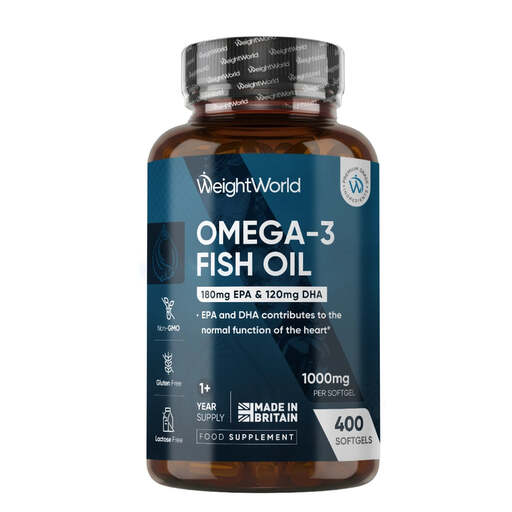
Why it suits this profile: The pack contains 400 softgel capsules and is designed for adults looking for a straightforward fish oil option that will last a long time.
The product description names fish oil as the source and gives the EPA and DHA content. The recommended intake of one to two capsules a day makes it easy to work out how long the pack will last.
400 softgels, molecularly distilled fish oil according to the product details, and vitamin E as part of the formula.
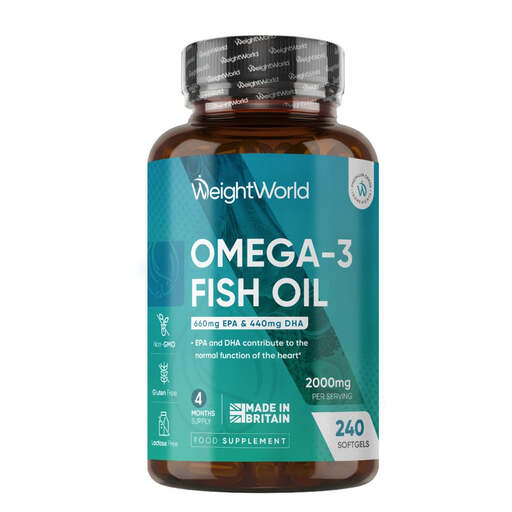
Why it suits this profile: For shoppers who want to compare EPA and DHA values and the daily serving at a glance, this product gives specific amounts per two capsules.
The total of 2000 mg of fish oil is accompanied by figures for 1100 mg of Omega-3, 660 mg of EPA and 440 mg of DHA.
240 capsules, a stated daily serving of two capsules and fish oil described as IFOS-certified.
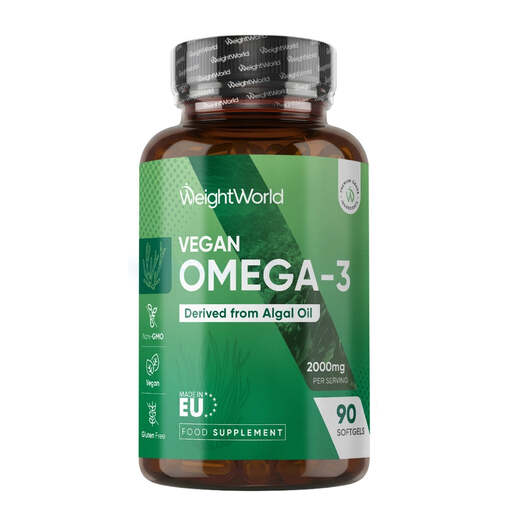
Why it suits this profile: This supplement uses algal oil from Schizochytrium sp. and a plant-based softgel shell. It’s designed for people who want to avoid fish and animal-derived gelatine.
The source and capsule material are clearly specified. The details state that it contains algal oil and has a plant-based shell, with no fish or crustaceans.
Algal oil with EPA and DHA according to the product description, 90 softgels, and labelled as vegan, gluten-free and dairy-free.
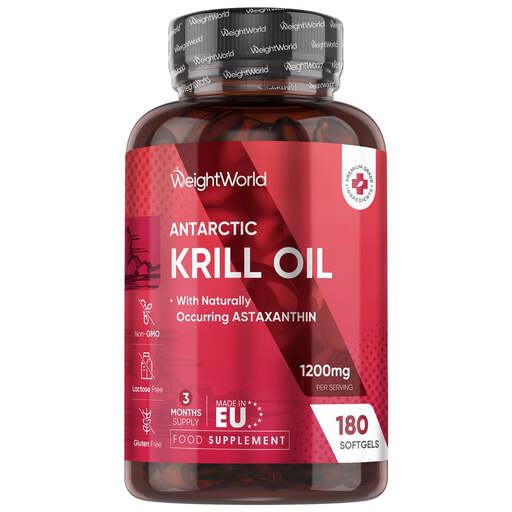
Why it suits this profile: Krill oil may appeal to people looking for an alternative to conventional fish oil, with additional ingredients such as astaxanthin and choline.
The product details state that each serving provides 264 mg of Omega-3, including 144 mg of EPA and 65 mg of DHA. Allergens from krill and fish are also listed explicitly.
180 softgels, two capsules per stated daily serving and Antarctic krill oil described as sustainably sourced.
We’ve put together a complete, regularly updated list of products that meet these strict selection criteria and fully comply with the safety regulations in force in the EU.
Check the best-before date on the packaging. Once opened, store the capsules in a cool, dry place away from direct sunlight. Don’t continue using the product if its smell has changed, the packaging is damaged or the best-before date has passed.
Most of the products listed here recommend taking them with a glass of water alongside a main meal. Follow the instructions for the product you choose. Don’t increase the amount yourself, as food supplements are not a substitute for a balanced diet.
Fish oil comes from fish and contains varying concentrations of EPA and DHA, depending on the product. Algal oil is a plant-based source and is suitable for vegan Omega 3, provided the capsule shell is vegan too. Krill oil is made from small crustaceans and may naturally contain other components alongside EPA and DHA. If you have allergies, check the relevant allergen information particularly carefully.