
Lieferung heute & morgen

Qualitätsgarantie

Willkommens-Angebote freischalten: KOSTENLOSE Lieferung | Bis zu 80 % RABATT | Kostenlose 30-Tage-JoyPlus-Testphase
App herunterladen
If you’re looking to buy omega-3 capsules, you’ll find products made with fish oil, krill oil, algae oil or plant oils. The claims on the front of the pack often look similar: “1000 mg”, “high strength” or “with EPA and DHA”. But the large number on the packaging isn’t enough to make a meaningful comparison.
What matters is how much EPA and DHA you actually get per daily serving, who the product is intended for and whether it suits your diet.
“1000 mg fish oil” does not automatically mean 1000 mg of omega-3 fatty acids. Fish oil can contain varying amounts of EPA and DHA, so check the nutrition table for the amount per capsule or daily serving.
For example, according to Doppelherz product information, each capsule of Omega-3 1400 provides 285 mg EPA and 190 mg DHA. The key figure to compare is the total amount of the relevant fatty acids, not just the capsule’s fill weight.
Some brands give amounts for two or more capsules per day, while others state the amount per capsule. Before buying high-strength omega-3, compare the following:
This makes it easier to judge whether a larger pack really offers better value.
Fish oil is not suitable for people with a fish allergy or those following a vegan diet. Gelatine capsules may also be a deal-breaker. Vegans can look for omega-3 algae oil or other products clearly labelled as vegan.
If you’re choosing a product for a child, if you’re pregnant or breastfeeding, or if you take regular medication, speak to a doctor or pharmacist. Food supplements are not a substitute for a balanced diet.
EPA and DHA are the two long-chain omega-3 fatty acids people most often look for. The European Food Safety Authority (EFSA) sets out specific intake levels for certain authorised claims. For example, according to Doppelherz product information, 250 mg of EPA and DHA per day contributes to normal heart function. These statements relate to the relevant authorised use and do not claim to treat or prevent disease.
So start by comparing EPA + DHA per daily serving. Plant oils often focus on alpha-linolenic acid, or ALA. ALA is not the same as EPA or DHA provided directly by the product.
For omega-3 fish oil, the source, allergen information and capsule shell should be clearly stated. Krill oil contains crustaceans, so it is not suitable for people with a relevant allergy. Krill oil also often provides less EPA and DHA per daily serving than some fish oil products.
Vegan omega-3 is usually made from microalgae. Check that the product is clearly labelled as vegan and free from fish and crustaceans. The product information should also name the type of algae used and the fatty acids it contains.
A large tub can be convenient if you’re meant to take one or two capsules a day. The key is how long it will last:
Number of capsules ÷ capsules per day = estimated length of use
Taking capsules with a meal can make them easier to use. Always follow the label instructions and do not exceed the recommended daily dose. Store omega-3 products in a cool, dry place away from direct light. Do not use a product if it has an unusual smell, the packaging is damaged or it is past its best-before date.
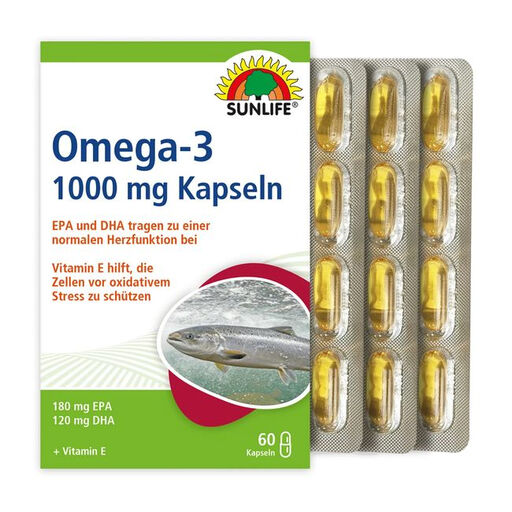
Why it suits this profile: A straightforward option for adults who prefer taking one capsule a day. According to the product information, each capsule contains 180 mg EPA and 120 mg DHA, as well as vitamin E.
EPA and DHA amounts are listed separately, so you won’t mistake the amount of fish oil for the actual amount of omega-3.
One capsule a day according to the product information; contains vitamin E. The product contains fish oil and gelatine.
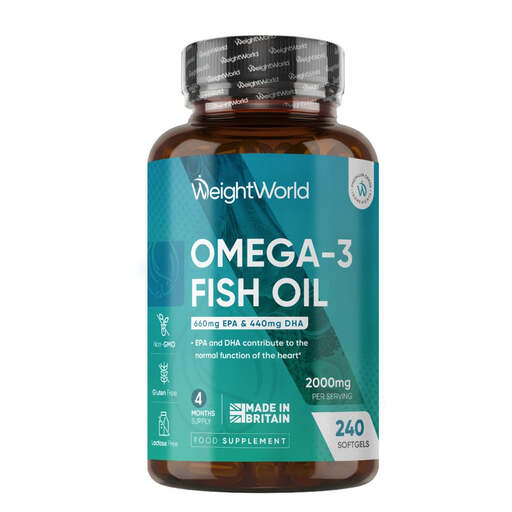
Why it suits this profile: For adults looking for a larger pack and a clearly stated daily serving. According to the product information, two capsules provide 660 mg EPA and 440 mg DHA.
The daily serving is listed with its EPA and DHA amounts. The pack contains 240 softgels, giving you 120 servings if you take two capsules a day.
High EPA and DHA content per daily serving according to the product information; labelled gluten-free, lactose-free and GMO-free.
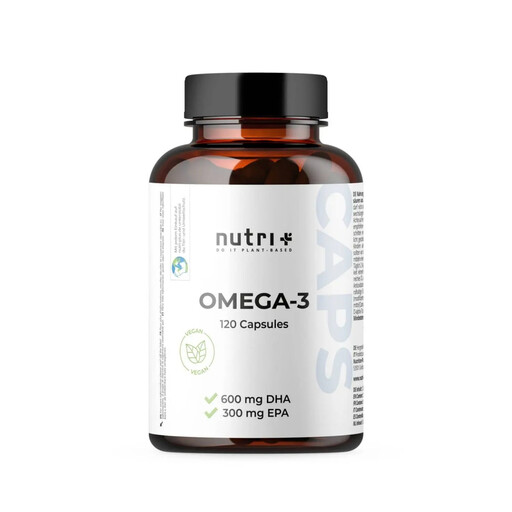
Why it suits this profile: According to the product information, the formula is made with Schizochytrium sp. algae oil and is designed for people who want to avoid fish and animal-derived gelatine.
It’s not simply described as “plant-based omega-3”: the product information specifies algae oil and gives DHA and EPA amounts per daily serving.
According to the product information, two capsules provide 600 mg DHA and 300 mg EPA; a plant-based capsule shell and vitamin E are listed.
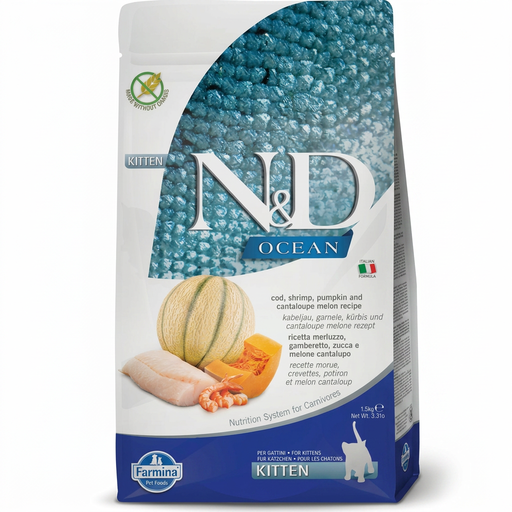
Why it suits this profile: For cat owners with kittens up to twelve months old who want to provide omega-3 through a complete pet food rather than human capsules.
The product is labelled as a complete food for kittens, so a human food supplement isn’t being used for a different purpose.
According to the product information, the food contains 0.6% DHA + EPA and 1.3% omega-3 fatty acids. Adult cats have different dietary requirements.
When choosing omega-3 for children, age guidance, format and dosage are particularly important. According to the product information, Doppelherz Active Omega-3 Kids is intended for children aged four and over and also contains vitamin D. For cat owners, remember that complementary treats such as omega-3 snacks are not a substitute for complete cat food. If your cat has a health condition or special dietary needs, consult a vet.
We’ve put together a complete, regularly updated list of products that meet these strict selection criteria and fully comply with the safety regulations in force in the EU.
The best-before date is printed on the packaging or outer box. Once opened, store the capsules in a cool, dry place away from light. We don’t recommend using products with an unusual smell or a change in texture.
There’s no universally recommended time of day. Many products are taken with a main meal and plenty of water. Always follow the instructions provided by the manufacturer.
It depends on your diet, allergies and personal preferences. Fish oil provides EPA and DHA directly, while algae oil is a plant-based source. If you’re vegan or want to avoid fish and crustaceans, choose an explicitly vegan omega-3 food supplement with clearly stated DHA and EPA amounts.