
Lieferung heute & morgen

Qualitätsgarantie

Willkommens-Angebote freischalten: KOSTENLOSE Lieferung | Bis zu 80 % RABATT | Kostenlose 30-Tage-JoyPlus-Testphase
App herunterladen
The search for the right on-ear headphones can quickly become overwhelming. Manufacturers advertise a multitude of features and technical specs, but not all of their promises hold up to scrutiny. Many buyers only realise after a few weeks that their new device doesn't perform well in daily use. This guide will help you identify the crucial features and avoid marketing traps, so you can make an informed decision.
As a Joybuy Product Recommendation Officer, I'll filter the essential information for you and highlight the criteria that truly matter.
Before we dive into the technical details, let's look at the most common reasons for a bad purchase. Knowing these will help you choose more effectively.
To make a great choice, you should focus on a few, but crucial, technical parameters. These provide a reliable indication of the expected performance and durability.
The driver is the heart of any headphone and is primarily responsible for sound quality. For on-ear models, dynamic drivers with a diameter between 30 mm and 40 mm are a common standard. Pay less attention to marketing buzzwords and more to the fundamental tuning. For example, brands like JBL on-ear headphones are often known for a bass-heavy sound profile, while Sony on-ear headphones frequently aim for more balanced reproduction with technological enhancements like DSEE (Digital Sound Enhancement Engine).
The choice of connection technology depends on your use case.
For daily use, comfort is crucial. A low weight, ideally under 200 grams, helps prevent neck and head fatigue. Look for an adjustable headband and soft, breathable ear pads. A foldable design also makes transport and storage easier.
Instead of making a one-size-fits-all recommendation, we've selected models that are tailored to specific use cases.
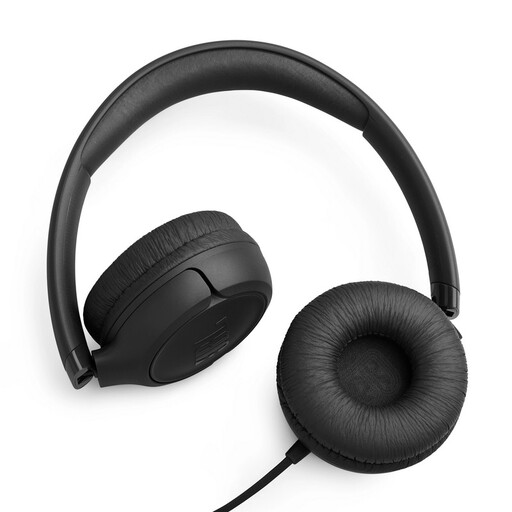
Why This Fits Their Persona: Ideal for users seeking a straightforward and reliable solution for their daily commute to work or university. The wired connection eliminates the need for a battery and ensures stable playback.
This model avoids the unrealistic battery life trap by being wired. It doesn't promise vague "studio quality" but rather the brand's signature "JBL Pure Bass Sound," a specific sound signature.
Lightweight (145 g) for high comfort; flat, tangle-free cable with an integrated on-ear headset with a microphone and remote; foldable design for easy transport.
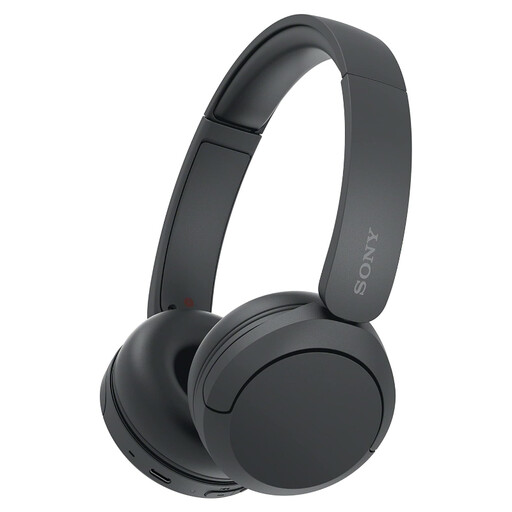
Why This Fits Their Persona: Perfect for students and professionals who want to listen to music or take calls wirelessly all day without worrying about recharging.
The stated battery life of up to 50 hours is a strong, verifiable metric that avoids the trap of unrealistic claims. The low weight of 147g and soft ear pads directly address long-term comfort.
Long battery life and a fast-charging feature (3 mins for 90 mins of playback); Multipoint connection for switching between two devices; Sound personalisation via the Sony App with DSEE technology.
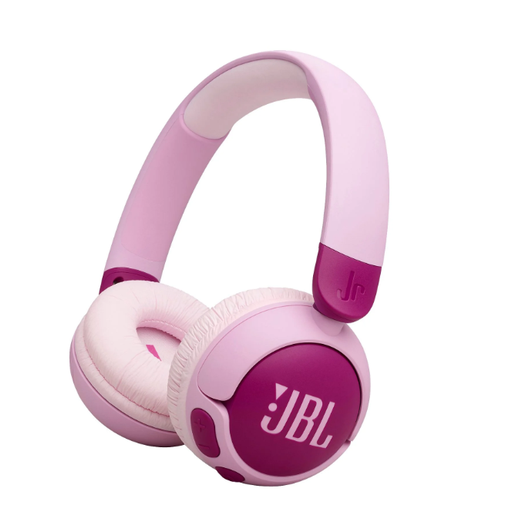
Why This Fits Their Persona: Specifically designed for parents looking for safe, durable, and easy-to-use on-ear headphones for kids. The volume limit protects sensitive hearing.
This model focuses on safety instead of marketing hype. The core feature is the JBL Safe Sound volume limit of under 85 dB, a concrete measure for hearing protection that is missing from standard headphones.
Built-in volume limit; durable, kid-friendly materials and large controls; long battery life of up to 50 hours; parental controls available via the JBL App.
We have compiled a complete, up-to-date list of products that fully meet these strict selection criteria and safety standards.
How long do on-ear headphones typically last? The lifespan heavily depends on build quality and usage. For wired models, the cable is often the weakest point; look for durable cable sheathing. For wireless models, battery health is key; after 2-4 years of intensive use, the capacity can noticeably degrade. Solid construction of the headband and hinges also contributes to longevity.
Are wireless on-ear headphones better than wired ones? There's no universally better option; it's a trade-off. Wireless on-ear headphones offer freedom of movement, which is ideal for sports and commuting. Wired models provide a potentially more stable connection, don't need charging, and are often more affordable for comparable sound quality. For stationary use, such as an on-ear headset in a home office, a wired model can be the more reliable choice.
How can I identify comfortable on-ear headphones before buying? Look for objective features in the product specifications. A weight of under 200 grams is a good indicator of long-lasting comfort. Check if the headband is adjustable and if the ear pads are made from soft material (e.g., faux leather or fabric). Foldable or swivelling earcups can also improve comfort as they adapt better to the shape of your head.