
Lieferung heute & morgen

Qualitätsgarantie

Willkommens-Angebote freischalten: KOSTENLOSE Lieferung | Bis zu 80 % RABATT | Kostenlose 30-Tage-JoyPlus-Testphase
App herunterladen
By Joybuy Product Recommendation Officer, July 28, 2026
The search for the perfect on-the-go drink can quickly become overwhelming. Whether it's for a school break, the commute to work, or a family outing, the variety of ready-to-drink beverages is immense. However, not every product that seems convenient is a good choice. Many buyers only realise after their purchase that they've fallen into one of several common traps. This guide will help you identify the key features to look for and make an informed decision.
Before you go buying on-the-go drinks, you should be aware of two typical problems that often lead to disappointment:
To avoid these pitfalls, it's advisable to check two key parameters. These will give you insight into the true quality and suitability of a beverage.
The order of ingredients indicates what the product contains most of. If sugar (or terms like glucose-fructose syrup) is listed first or second, it is primarily a sugary drink. Pay attention to the stated fruit juice content in percent. In Germany, a "Fruchtsaftgetr?nk" (fruit juice drink) has legally mandated minimum fruit content levels that vary by fruit type (e.g., 6% for passion fruit, 25% for apples). When you buy a fruit ade, you are often purchasing a flavoured water with low juice content, which can be a light refreshment but should not be confused with a proper juice.
The packaging is more than just a container. Classic drink pouches, like those used for many Capri-Sun varieties, are lightweight and space-saving but can be easily damaged if handled improperly. Modern stand-up pouches, often used for Korean drinks or iced coffee in a pouch, are generally more robust and frequently feature a resealable screw cap. Check if the packaging is suitable for its intended purpose—a simple pouch with a straw for immediate consumption or a resealable option for on the go.
Based on these objective criteria, we have put together a few products for different needs.
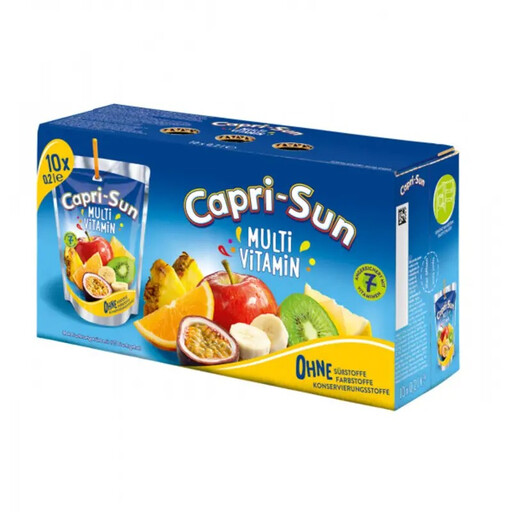
Why This Fits Their Persona: Ideal for parents who need a stock of convenient drinks for school, sports, or outings. The 10-pack is economical, and the 200ml portions are perfectly sized for children.
According to the manufacturer, it contains no artificial sweeteners, preservatives, or colourings. The 10% fruit juice content is clearly declared, avoiding the trap of misleading "fruit" promises.
Proven, lightweight packaging with a straw that fits into any lunchbox. The Multivitamin variety combines several fruit types for a more complex flavour.
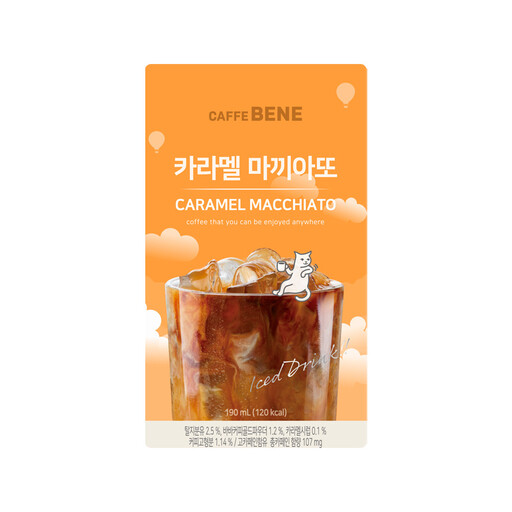
Why This Fits Their Persona: Perfect for professionals, students, and anyone looking for a quick and easy coffee solution on the move. It offers the taste of a café-style drink without the wait.
The sturdy pouch packaging is more durable than thin cartons, minimising the risk of leaks in a bag. The ingredients (milk, coffee extract, caramel syrup) are clearly listed.
Ready-to-drink iced coffee in a pouch from a well-known Korean brand. Preparation is simple: enjoy chilled or pour over ice.
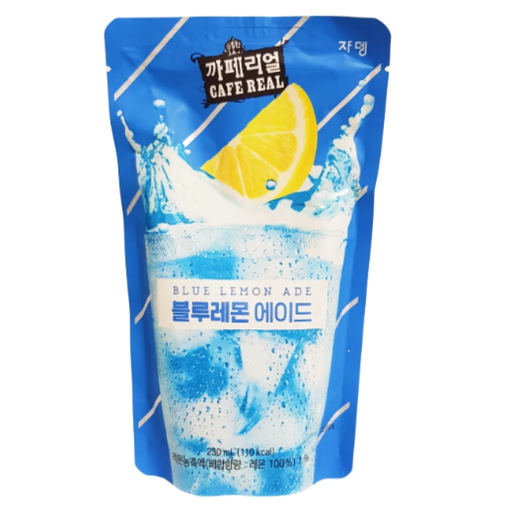
Why This Fits Their Persona: Specifically targets young adults and teens interested in trendy, visually striking products. A great choice for anyone looking to try new Korean drinks.
The product provides a complete ingredient list, including the colourings (E133) and sweeteners used. This allows for a conscious decision and avoids the trap of vague "exotic" ingredients.
A unique flavour and colour combination (Blue Lemonade). The convenient pouch packaging is ideal for consumption on the go and is a real eye-catcher.
We have compiled a complete, up-to-date list of products that fully meet these strict selection criteria and German regulations.
1. How should I store drink pouches and pouch beverages correctly? Most ready-to-drink beverages online should be stored in a cool, dry place, protected from direct sunlight. This preserves the flavour and protects the packaging material. After opening, the drinks should be refrigerated and consumed quickly. Freezing the pouches is generally not recommended, as it can damage the packaging and cause it to leak.
2. Are Korean "Ade" drinks comparable to lemonade? In Korea, the term "Ade" typically refers to a sweet, non-carbonated soft drink based on fruit syrup, concentrate, or purée mixed with water. It is therefore most comparable to a still lemonade and differs from carbonated soft drinks.
3. How can I identify the sugar content in ready-to-drink beverages? The sugar content is listed in the nutritional information table under "Carbohydrates, of which sugars" per 100 ml. This allows for a direct comparison between different products. Additionally, a look at the ingredients list helps: the earlier sugar or types of syrup are listed, the higher their percentage of the total product.