
Lieferung heute & morgen

Qualitätsgarantie

Willkommens-Angebote freischalten: KOSTENLOSE Lieferung | Bis zu 80 % RABATT | Kostenlose 30-Tage-JoyPlus-Testphase
App herunterladen
As a Joybuy Product Recommendation Officer, I see every day how difficult it can be to find products that truly live up to their promises. Especially when it comes to on-the-go safety, the market is saturated with marketing buzzwords and superfluous features. This guide is designed to help you make informed decisions, whether for your children's safety in the car or for your own awareness on the road.
Before we dive into the essential features, let's highlight two common marketing traps that often lead to disappointment and unnecessary expense.
To avoid falling into these traps, focus on verifiable standards and fundamental technical features. These two parameters are non-negotiable for on-the-go safety.
If you are looking for a child car seat, the i-Size (ECE R129) certification is the most important benchmark. Unlike the older ECE R44 standard, it imposes stricter requirements:
A 360-degree car seat not only increases comfort when placing and removing the child but also minimises the risk of user error when switching between forward- and rear-facing positions. In addition, practical car safety accessories, such as a baby back seat mirror, are a simple yet effective way to keep an eye on your child without having to turn around.
For athletes, cyclists, and commuters who want to listen to music or podcasts without isolating themselves from their surroundings, open-ear headphones are a key technology. Unlike traditional headphones that block the ear canal, these leave the ears completely open.
Both technologies provide a high level of situational awareness. While some conventional headphones offer an ambient sound mode that pipes in external noise via microphones, a true open-ear design provides a more natural and lag-free perception of your environment.
Here are some product recommendations tailored to specific needs that avoid the pitfalls mentioned above.
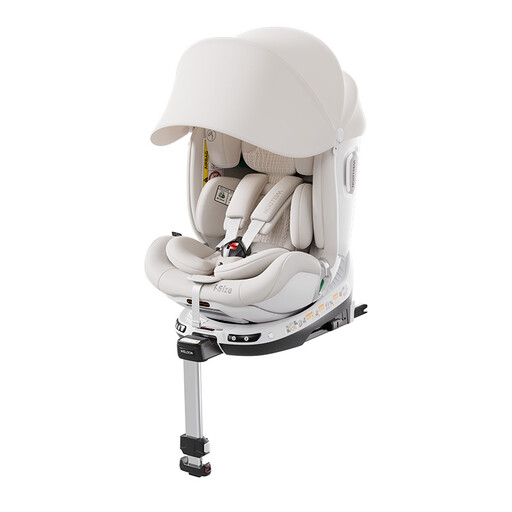
Why it's a match: This seat combines strict i-Size certification with an intelligent monitoring system. It is designed for parents who make no compromises on safety and are looking for a solution that actively prevents installation errors.
The "smart" features here are focused on safety: the Hawk-eye system uses 8 sensors to monitor correct installation and warns of any errors. This is a real safety benefit, not a gimmick.
Meets the i-Size (ECE R129) standard. The 360-degree rotation and real-time installation monitoring provide a high level of safety and ease of use.
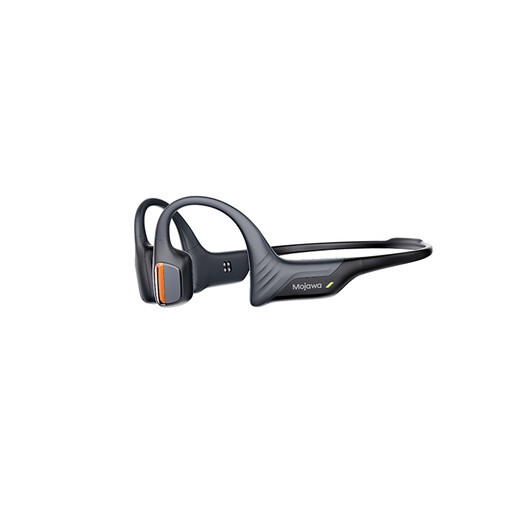
Why it's a match: These headphones are specifically designed for sports. The bone conduction technology ensures full environmental awareness, while the secure fit and high water resistance (IP67) make them suitable for intense workouts in any weather.
Instead of being an all-purpose headphone with a tacked-on "sport mode," this model is a specialised pair of bone conduction sports headphones. The technology here is not a gimmick but the core feature for safety.
IP67 water resistance for protection against sweat and rain. The open-ear design allows full awareness of traffic and ambient sounds.
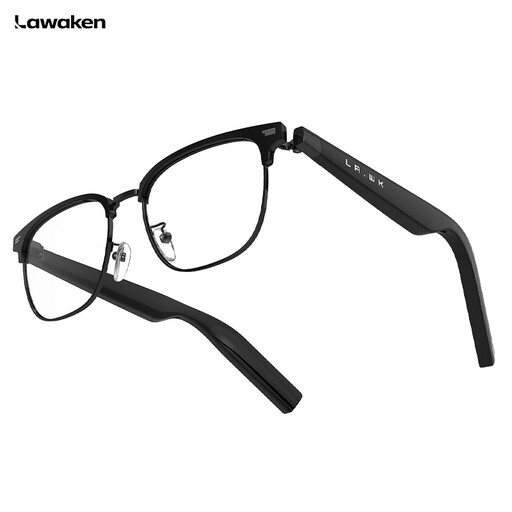
Why it's a match: These smart audio glasses are more than just headphones. They are an everyday tech companion for professionals, combining open-ear audio with practical AI functions like real-time translation and meeting summaries, without compromising environmental awareness.
The AI functions here are not gimmicks but productivity-enhancing tools. The AI translator for 128 languages and the note-taking feature for meetings offer tangible added value in the workplace and while travelling.
Combines open-ear audio for safety in city traffic with powerful AI tools. Compatible with prescription lenses and certified according to CE and RoHS standards.
We have compiled a complete, up-to-date list of products that fully meet these strict selection criteria and rigorous safety regulations.
According to the current i-Size standard (ECE R129), rear-facing travel is legally required for children up to at least 15 months of age and a height of 76 cm. However, safety experts recommend keeping children rear-facing for as long as possible, ideally up to the age of four, as this provides significantly better protection for the head and neck in a frontal collision.
Yes, using headphones while cycling is generally permitted, provided your awareness of traffic is not significantly impaired. Since bone conduction and other open-ear headphones leave the ears uncovered, the acoustic perception of ambient sounds like car horns, sirens, or other cyclists' bells remains possible. They are therefore a suitable option for listening to music while riding.
ISOFIX is a standardised attachment system where the child seat is connected directly to anchor points in the vehicle's chassis via rigid locking arms. This creates a solid connection and minimises the risk of incorrect installation. Securing with the vehicle's 3-point belt is more flexible and necessary in older cars without ISOFIX points, but it carries a higher risk of user error, such as a loose or twisted belt, which can compromise safety in the event of an accident. i-Size car seats primarily rely on ISOFIX installation.