What should you look for when buying?
First, check the actual dough quantity per batch. Then compare the features, space requirements and cleaning effort with the way your class runs.
| Criterion |
What to check before buying |
Who is this important to? |
| Dough quantity per batch |
Calculate the flour quantity and total weight of your recipe separately, then compare each with the limit for the relevant type of dough. |
If I’m preparing several trays, I want to know whether one batch will fit or whether I’ll need to divide the dough. Around 36% of consumers put the right dough quantity per batch first. |
| Preparing your ingredients |
Check whether the exact model includes built-in scales and the dough hook you need, and find out which accessories come with it. |
When I’m working with different-sized groups, I want to know whether ingredients are easy to weigh and whether I can prepare each step without changing tools unnecessarily. Around 29% of consumers prioritise the preparation process when cooking together. |
| Worktop and storage space |
Measure your worktop and storage space, and check the dimensions and weight of the specific model. |
In a small kitchen, I need to be able to store the machine and handle the bowl and accessories easily. Around 21% of consumers consider the space required their main buying criterion. |
| Cleaning up after class |
Check the instructions for the exact model to see how each removable part can be cleaned. |
When several groups are using the machine one after another, I want to know how much cleaning is needed after each use and which parts can be removed. Around 14% of consumers focus mainly on cleaning up after class. |
The percentages refer to the top buying priority within these four areas. As a recipe example, Chefkoch lists 500 g of flour for four portions of an onion tart made with yeast dough; the quantity you need for your class may differ.
Joybuy products for preparing dough
The following Joybuy products are described as having dough-kneading functions. Before your class, check the instructions for each specific model to make sure it’s suitable for yeast dough and your planned batch size.
 No image available
HAUSWIRT M5 Max stand mixer, 5.5 l
The product name describes it as a dough mixer; check the instructions to see whether it’s intended for yeast dough and your planned batch size.
The title lists a 5.5-l bowl, 11 speeds and a 4.5-inch LED touchscreen. Bowl volume does not indicate the maximum yeast dough quantity.
Joybuy
 No image available
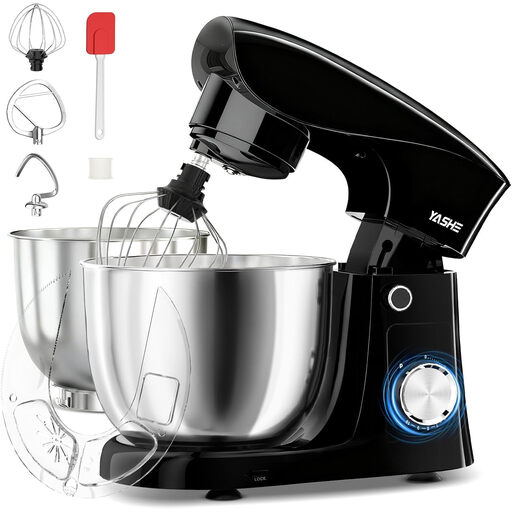
YASHE SM-2548 A stand mixer
The title lists a dough hook, which is useful for preparing dough. Check the model’s instructions to see whether it’s suitable for yeast dough and your planned quantity.
The product title includes two stainless steel bowls, with capacities of 4.5 l and 5 l, more than 10 speeds and a tilt head.
Joybuy
 No image available
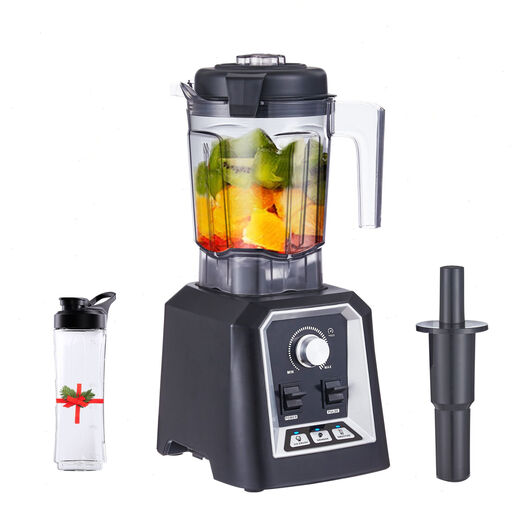
BioloMix T5800 stand mixer
The product description says it can knead thick bread dough. Before your class, check whether the instructions also cover your type of yeast dough and planned batch size.
The title lists a 1,600-ml bowl and variable speed control; bowl size does not indicate the maximum dough quantity.
Joybuy
 No image available
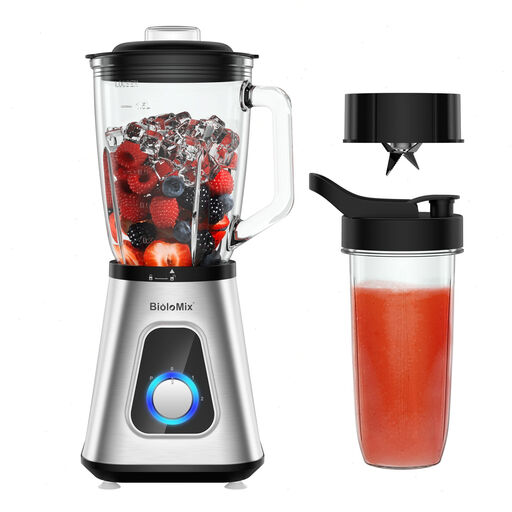
BioloMix SF701 stand mixer
The description says it can knead thick dough. Check whether the instructions specifically cover your planned yeast dough and which accessories are intended for the job.
The title lists a 1.5-l glass bowl, a 600-ml bottle and removable blades. These container capacities are not dough capacity figures.
Joybuy
 No image available
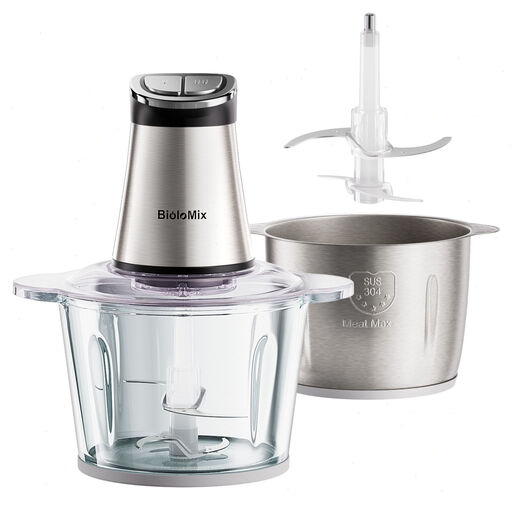
BioloMix AMJ501 stand mixer
The product description says it can knead dense dough. Check the instructions to find out whether the model is suitable for yeast dough and the quantity you’re planning to make for your class.
The title lists two speeds, a capacity of 3 l and an LED timer display. This capacity is not a stated limit for yeast dough.
Joybuy
Frequently asked questions
Is the bowl large enough to make several trays of onion tart?
Bowl size alone won’t tell you. Work out the flour quantity and total dough weight per batch using your class recipe, then compare both with the relevant limits set by the manufacturer. A recipe for four portions published by Chefkoch uses 500 g of flour; you can’t use that figure to work out how much you’ll need for your class.
How should I clean the machine and tools after class?
Follow the instructions for the model you’ve bought. For the KM 3899, Severin recommends switching off the appliance, unplugging it and waiting for it to stop before cleaning. The removable parts for this model are dishwasher-safe, but the motor unit must not be put in water. These instructions do not automatically apply to other models.
Are a manufacturer’s warranty and your statutory rights the same thing?
No. The Verbraucherzentrale explains that statutory rights and a warranty are based on different rules. If something is faulty, your statutory rights are against the seller, while a warranty is a voluntary additional service provided subject to its terms. If you have a warranty, check its duration and what it covers.
Can I cancel an online purchase of a stand mixer in Germany?
According to the Verbraucherzentrale, for online orders you generally have 14 days from receiving the goods to notify the seller that you’re cancelling your purchase. Before buying, check the cancellation information and returns address for the specific retailer.
What safety and labelling details should I check?
The Bundesnetzagentur lists criteria used in market surveillance, including correct CE marking, identifiable manufacturer details and German-language instructions with the necessary warnings. According to the European Commission, the manufacturer uses the CE marking to declare that the product meets the relevant legal requirements; it is not an independent quality mark.


