
Lieferung heute & morgen

Qualitätsgarantie

Willkommens-Angebote freischalten: KOSTENLOSE Lieferung | Bis zu 80 % RABATT | Kostenlose 30-Tage-JoyPlus-Testphase
App herunterladen
Anyone who wants to cook authentic Asian dishes quickly realises that the right ingredients are crucial. However, buying Asian groceries online comes with several pitfalls that can not only compromise your cooking results but also lead to unnecessary expenses. Many products look similar at first glance but have fundamentally different properties. This guide will help you separate the wheat from the chaff and find the perfect products for your culinary projects.
Navigating the vast array of Asian cooking and baking ingredients can be overwhelming. Three problems are particularly common:
To avoid these mistakes, it helps to focus on a few crucial product features. These will tell you whether an ingredient is suitable for your recipe.
The choice of starch significantly influences the consistency of your dishes. It's important to know the differences when you order Asian cooking ingredients online.
In Asian cuisine, sugar is not just a sweetener but also a flavour carrier and texture enhancer.
When you order baking ingredients online, look for pre-made mixes. Finding these specialty flours online saves a lot of guesswork and experimentation. Products for Banh Xeo or Youtiao already contain the right blend of rice and wheat flour, as well as the appropriate leavening agents, to guarantee the characteristic texture.
Here are some product recommendations tailored to specific use cases that help avoid the pitfalls mentioned above.
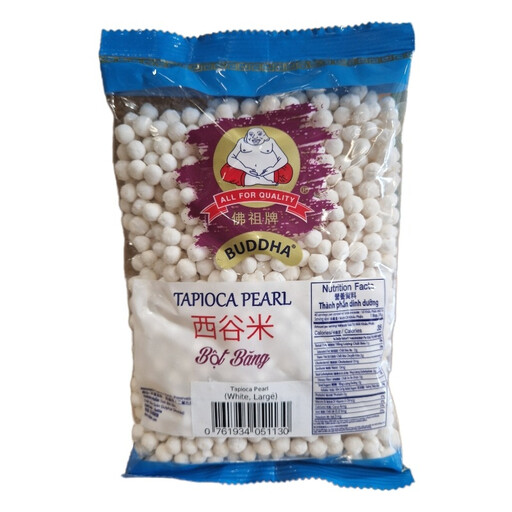
Why This Fits Their Persona: Ideal for home cooks who want to prepare traditional Southeast Asian desserts like coconut milk puddings or "Bubur Cha Cha" and need the characteristic large, chewy pearl texture.
This product consists of large tapioca pearls, not fine starch powder. This prevents buying the wrong type of starch and guarantees the chewy texture required for many desserts.
Made from pure tapioca starch (98%) and water. Gluten-free and neutral in taste, it absorbs flavours from syrups or coconut milk well.
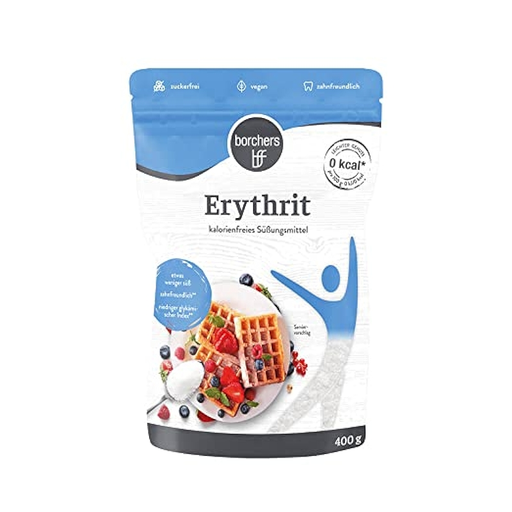
Why This Fits Their Persona: Perfect for anyone who wants to cut out sugar and calories in their cooking and baking without sacrificing sweetness. Suitable for sweetening drinks, desserts, and baked goods as part of a conscious diet.
This product is clearly labelled as "100% Erythritol." It avoids the confusion surrounding different types of sugar and offers a transparent, sugar-free alternative with no hidden additives.
Calorie-free and sugar-free. According to the manufacturer, using erythritol instead of sugar causes a smaller rise in blood glucose levels.
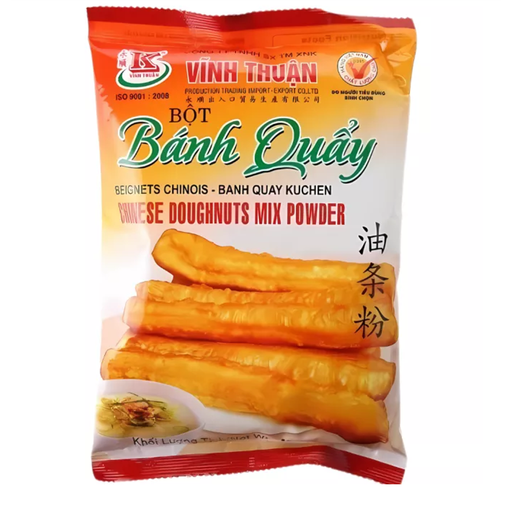
Why This Fits Their Persona: For anyone who wants to make authentic Chinese Youtiao (fried dough sticks) at home, just like those served for breakfast with soy milk or congee.
This is a specialty flour mix that avoids the pitfall of getting a flat, tough result from using an unsuitable all-purpose flour. The mix is optimised for a light, crispy outcome.
Contains a balanced blend of wheat and rice starch, as well as baking powder. This simplifies preparation and ensures a consistent result.
We have compiled a complete, real-time list of products that fully satisfy these strict selection criteria and UK safety regulations.
1. What is the difference between tapioca starch and rice flour? Although both are gluten-free white powders, they have different properties. Tapioca starch is derived from the cassava root and creates a clear, chewy, and elastic texture, ideal for desserts. Rice flour is made from rice and results in a soft, delicate, and more opaque consistency, which is well-suited for cakes and dumplings.
2. Can I substitute brown sugar 1:1 for white sugar? This is not always recommended. Brown sugar contains molasses, which gives it a distinct flavour and more moisture. In baking recipes, a substitution can alter the texture. In sauces or marinades, replacing it with white sugar will lack the caramel-like depth. However, for clear soups or teas, white sugar or rock sugar is often the better choice as it does not alter the flavour or colour.
3. How do I properly store opened packages of specialty flours? Once opened, Asian specialty flours and starches should be stored in a cool, dry place away from direct sunlight. To maintain freshness and prevent moisture or pests from getting in, it is advisable to transfer the contents to an airtight container. This is especially true for mixes containing leavening agents, as their effectiveness can diminish with exposure to humidity.