
Lieferung heute & morgen

Qualitätsgarantie

Willkommens-Angebote freischalten: KOSTENLOSE Lieferung | Bis zu 80 % RABATT | Kostenlose 30-Tage-JoyPlus-Testphase
App herunterladen
By the Joybuy Product Recommendation Officer, July 28, 2026
The online selection of fruit drinks is extensive and diverse. From classic juices to exotic specialities, the choice is just a few clicks away. But this variety can also lead to uncertainty. Not every drink that looks fruity delivers on its packaging's promise. To help you make the right choice, we'll highlight some common pitfalls and show you which objective criteria to look for when you buy fruit drinks online.
When browsing the selection, consumers repeatedly encounter the same issues that lead to unsuitable product choices.
To make an informed decision, you should check three key product features. These provide insight into the actual quality and composition of a fruit drink.
A product's designation is legally regulated and provides the most important clue about its fruit content.
The ingredients list is ordered by weight in descending order. If sugar (or terms like fructose syrup, glucose) appears near the top, its proportion is correspondingly high. Those specifically looking for options without added sugar can filter for products like sugar-free sports drinks, which use sweeteners instead.
Some exotic juices owe their character to special ingredients.
Based on these objective criteria, we have selected a few products for different user profiles.
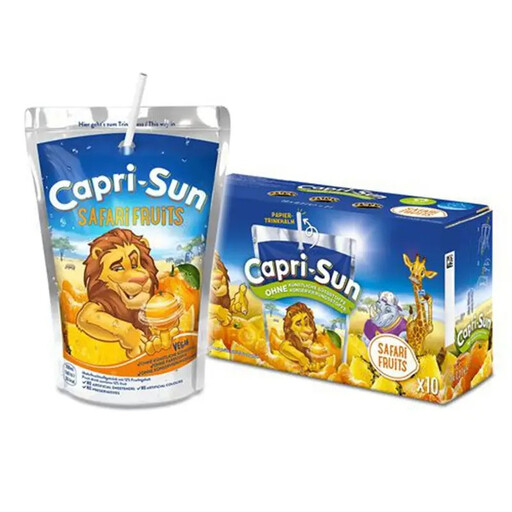
Why This Fits Their Persona: The convenient 200ml pouches are ideal for on-the-go, school bags, or kids' birthday parties. The Safari Fruits flavour offers a mix of pineapple, orange, and mandarin juice that is popular with children.
The clear labelling as a fruit juice drink and the pre-defined portion size in a beverage multipack help to keep consumption in check and set correct expectations about the fruit content.
Convenient, lightweight packaging; familiar taste; no artificial sweeteners, colours, or preservatives according to the manufacturer.
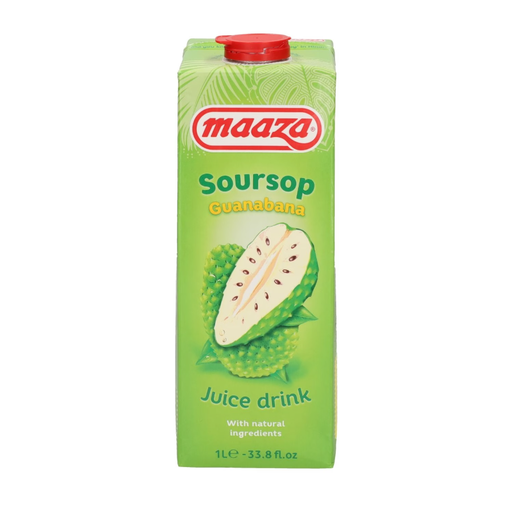
Why This Fits Their Persona: For anyone who wants to explore new worlds of flavour. The soursop is a tropical fruit with a unique, sweet-and-sour taste profile reminiscent of a mix of strawberry, pineapple, and citrus.
This beverage is declared as a fruit juice drink with 18% fruit puree. The Maaza drink therefore sets realistic expectations and doesn't disappoint with a fruit content that is too low for this type of beverage.
Authentic, rare flavour; 1-litre carton is ideal for stocking up at home; FSC-certified packaging.
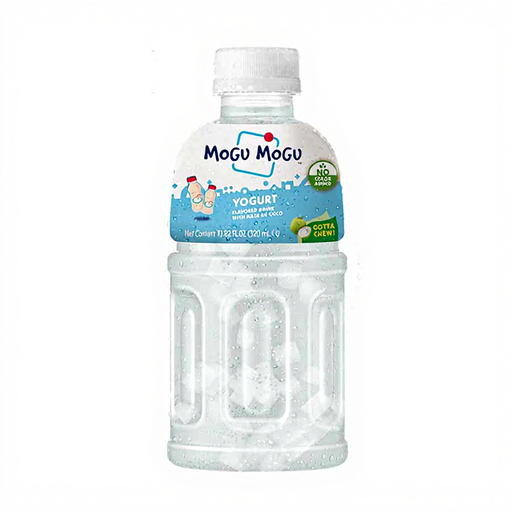
Why This Fits Their Persona: This drink is specifically designed for consumers seeking an interactive drinking experience. The combination of a yogurt-flavoured drink and the chewy pieces of Nata de Coco is the product's central feature.
The pitfall of unexpected texture is avoided here, as the texture is the main selling point. The name Mogu Mogu (Japanese for "to chew") already explicitly points to the pieces inside.
Unique "drink and chew" experience; refreshing yogurt flavour; a change from conventional fruit drinks.
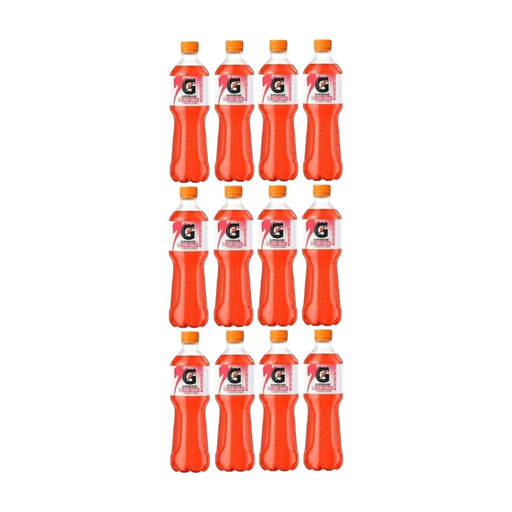
Why This Fits Their Persona: This drink is designed for active people who want to stay hydrated and replenish electrolytes after sports or physical exertion, without consuming sugar or unnecessary calories.
It directly addresses the pitfall of hidden sugar by being positioned as a sugar-free sports drink. The nutritional information confirms 0g of sugar and only 1 kcal per 100 ml.
Contains electrolytes (sodium) for rehydration; sugar-free and low-calorie; bulk pack of 12 bottles for regular use.
We have compiled a complete, up-to-date list of products that fully meet these strict selection criteria and relevant regulations.
1. What is the exact difference between fruit juice, nectar, and a fruit juice drink? The main difference lies in the legally required fruit content. Fruit juice must contain 100% fruit. Fruit nectar has a lower fruit content (typically 25-50%) and may contain added sugar. A fruit juice drink has the lowest fruit content (often below 25%) and usually contains water, sugar, and flavourings as its main ingredients.
2. How can I identify added sugar in fruit drinks? Check the ingredients list. Terms like sugar, sucrose, glucose syrup, fructose, or corn syrup indicate added sugar. Its position on the list gives a clue about the quantity. Also, compare the nutrition facts: a high value for carbohydrates and "of which sugars," combined with a low fruit content, is an indicator of a lot of added sugar.
3. What exactly is Nata de Coco in drinks like Mogu Mogu? Nata de Coco is a chewy, jelly-like substance produced by the bacterial fermentation of coconut water. It originated in the Philippines and is valued worldwide as an ingredient in desserts and drinks. It has a slightly sweet note and a pleasant, firm texture that provides a "chewing experience" while drinking.