
Lieferung heute & morgen

Qualitätsgarantie

Willkommens-Angebote freischalten: KOSTENLOSE Lieferung | Bis zu 80 % RABATT | Kostenlose 30-Tage-JoyPlus-Testphase
App herunterladen
Online grocery shopping offers a convenient alternative to visiting the supermarket. However, pitfalls await, especially with fresh items like meat or speciality foods, which can lead to disappointment. Common issues include mismatched quality expectations, unclear origin details, or a broken cold chain. This guide will show you what to look for to ensure a safe and satisfying online grocery experience.
As your Joybuy Product Recommendation Officer, I'll filter the essential information for you, helping you make informed decisions and distinguish marketing promises from facts.
Before you fill your cart, you should be aware of three typical challenges that can arise when buying groceries online.
To avoid these pitfalls, it's best to check three core parameters carefully before ordering. These will give you the necessary assurance about the quality and suitability of the products.
A reliable product page should offer more than just an attractive name and a picture. Look for a complete list of ingredients, nutritional information, and a clear list of allergens. When buying meat, whether it's steak or lamb, proof of origin is a key quality indicator. Details about the country of origin (e.g., Netherlands, New Zealand) and the responsible processor build trust.
When you order frozen food online, storage and delivery conditions are critical. Look for explicit information on storage temperature, such as "Store at -18°C or colder." A reputable vendor will also provide details on how the cold chain is maintained during transport. This ensures the products arrive in perfect condition.
Special dishes often require specific products. For example, if you're looking for hot pot ingredients, the thickness of the meat slice is crucial. Details like "1.2 mm thinly sliced rib-eye" are a sign that the vendor understands the needs of connoisseurs. For Asian groceries, information about the brand and traditional uses can also help you assess the product's authenticity.
Based on the criteria above, we have compiled a selection of products suitable for different user profiles.
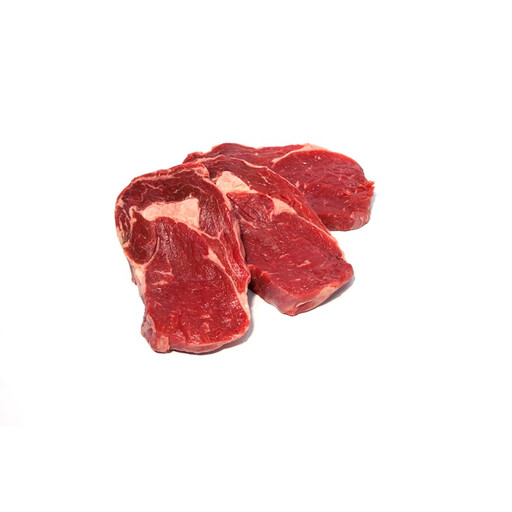
Why This Fits Their Persona: Ideal for planned, high-quality meals without the hassle of a butcher visit. The pre-portioned steaks allow for easy preparation for one or two people and guarantee an even cook.
The clear specification of 2x200g steaks and the origin from the Netherlands counteracts misleading descriptions. You know exactly what you're getting.
Offers high-quality meat with good marbling for a juicy result. The vacuum-sealing and portioning provide convenience and freshness.
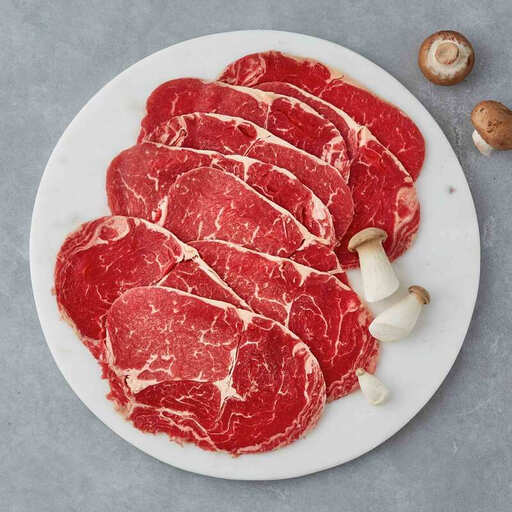
Why This Fits Their Persona: Meets the specific requirements for authentic hot pot or Korean BBQ. Such precise cuts are hard to find in regular retail stores and are crucial for the success of the dish.
The exact specification of the 1.2 mm slice thickness is a crucial detail that avoids vague product descriptions and ensures the meat is suitable for hot pot.
Authentic cut for specific Asian dishes. The meat cooks in seconds and remains tender, which is essential for a successful hot pot experience.
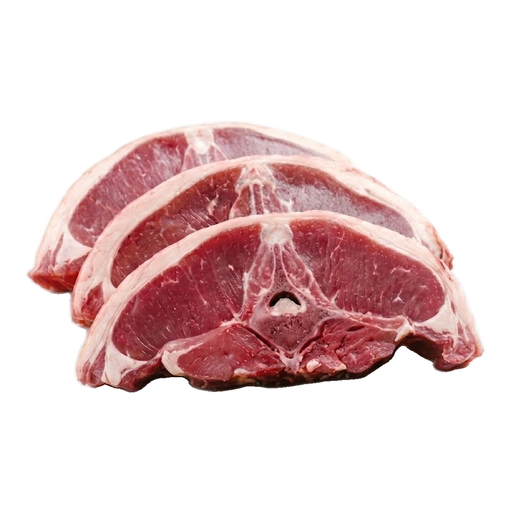
Why This Fits Their Persona: The 1kg pack is excellent for family meals or stocking up. Lamb saddle is a high-quality cut that is versatile enough for stews or roasts and provides a great base for nutritious meals.
Detailed information on origin (Netherlands), storage temperature (-18°C), and clear allergen labelling (no allergens present) create the transparency that quality-conscious buyers look for.
High-quality lamb in a practical family-sized pack. The organoleptic parameters (colour, smell) are specified, indicating a high quality standard.
We have compiled a complete, up-to-date list of products that fully meet these strict selection criteria and regulatory standards.
1. How can I ensure my frozen food arrives frozen during delivery? Look for a description of the delivery process. Reputable vendors use special insulated packaging and cooling packs, or even their own freezer delivery vehicles. Also, check the goods immediately upon receipt. The products should feel hard and completely frozen.
2. How can I identify good quality meat when buying it online? You can identify good meat by its detailed product information. This includes the exact name of the cut (e.g., rib-eye, lamb shank), the country of origin, details on marbling (for steak), and a clear description of the packaging (e.g., vacuum-sealed). Customer reviews can also be helpful, but they should always be evaluated in conjunction with the facts on the product page.
3. Is the nutritional information for online groceries reliable? According to the EU Food Information to Consumers (FIC) Regulation, retailers are obligated to provide correct and complete nutritional information. This data is typically sourced directly from the manufacturer and is therefore just as reliable as the information on the physical packaging in a supermarket. Check whether the nutritional values are listed per 100g or per serving.