
Same-day & Next-day Delivery

Quality Guaranteed

Unlock Your Welcome Offers: FREE Delivery | Up to 80% OFF | Free 30-day JoyPlus trial
Download the APP
Buying spirits and wines online offers an unparalleled selection, from local liqueurs to rare international specialities. However, this wealth of options also comes with pitfalls. Vague product descriptions, exaggerated marketing claims, and unclear pricing structures can quickly turn your shopping experience into a disappointment. As your Joybuy Product Recommendation Officer, I'm here to help you navigate these hurdles and make informed decisions.
Before you fill your shopping cart, you should be aware of the most common mistakes made when buying spirits online:
To ensure you get exactly what you're looking for, you should check three core aspects. These will help you objectively assess the quality and suitability of a spirit, whether you want to buy wine online or order a special whisky.
A complete and clear declaration is the foundation of a trustworthy offer. Look for the following details:
The designation of origin and classification provide important clues about the expected flavour profile and production method.
Not every spirit is suitable for every occasion. Consider how you plan to use the drink.
Here are some recommendations tailored to different profiles and needs, all of which meet the quality criteria mentioned above.
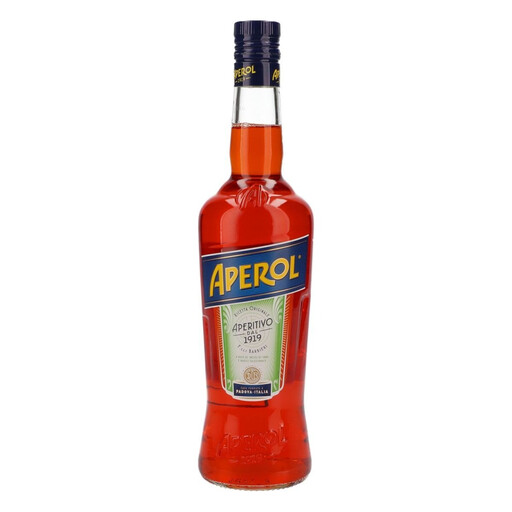
Why This Fits Their Persona: Ideal for mixing the popular Aperol Spritz, a drink highly appreciated at social gatherings in Germany. One bottle is enough for numerous drinks and is a safe choice that most guests will enjoy.
Aperol is an established brand with a clearly defined flavour profile. You're not buying a vague "premium" product, but a globally recognised ingredient whose purpose and quality are consistent.
High versatility as an aperitif and cocktail base. The moderate alcohol content of 11% ABV makes it a light option for the early evening.
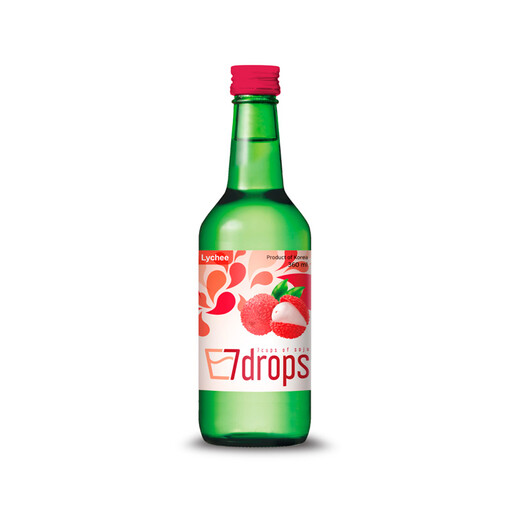
Why This Fits Their Persona: Perfect for anyone curious about international spirits. This lychee-flavoured Korean soju offers a fruity, approachable taste experience that stands out from classic European spirits.
The product description is transparent: it is a flavoured soju beverage. It doesn't try to pass itself off as a traditional, pure soju. The ingredient list is clear, and its purpose as a refreshing, fruity drink is unambiguous.
A low alcohol content of 12% ABV and a sweet, fruity profile make it very accessible. Ideal served chilled, neat, or as a base for simple mixed drinks.
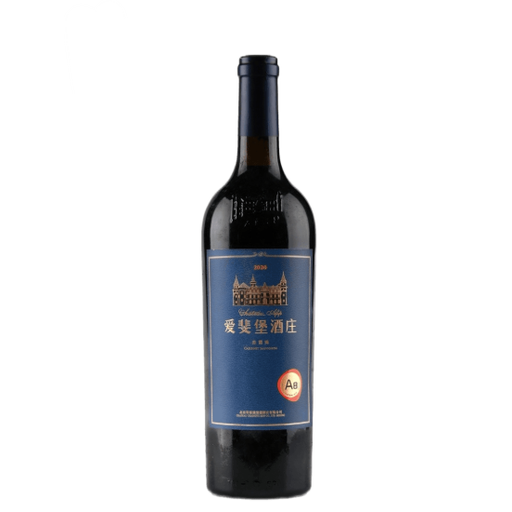
Why This Fits Their Persona: For wine connoisseurs who are ready to look beyond classic European growing regions. This wine offers the complexity of a Cabernet Sauvignon aged in French oak barrels, but with a unique origin from Beijing.
The product description provides detailed, verifiable information: grape variety (Cabernet Sauvignon), maturation (over 16 months in French oak barrels), and origin (Chateau Changyu AFIP, Beijing). This goes far beyond vague marketing terms.
Offers a complex aroma profile with notes of ripe black fruits, coffee, and spices. The fine, firm tannins and well-structured character make it an excellent companion for hearty dishes.
We have compiled a complete, up-to-date list of products that fully meet these strict selection criteria and German regulations.
1. How is age verified when ordering spirits online? In Germany, the sale of alcohol to minors is prohibited. Online retailers are legally required to verify the buyer's age. This is usually done in a two-step process: once during the order in the online shop (e.g., by requesting the date of birth or an identity check) and a second time upon delivery by the parcel service. The delivery person performs a visual age check and is authorised to request an official photo ID.
2. How can I recognise the quality of international spirits like sake or soju? For sake, the rice polishing ratio and classification are crucial. A higher polishing ratio (i.e., a lower percentage, e.g., 60% for Ginjo) means that more of the outer layer of the rice grain has been removed, which often results in a finer, more aromatic sake. The Junmai designation guarantees that no additional brewer's alcohol has been added. For soju, a distinction is made between traditionally distilled soju (often higher in price and alcohol content) and diluted soju, which is more common and often flavoured. Pay attention to the ingredient list and manufacturer's details.
3. Can opened liqueurs and wines go bad? Yes, but their shelf life varies greatly. Opened wine should be stored in the refrigerator and consumed within a few days, as it quickly loses its aroma through oxidation. Liqueurs with a high sugar content (e.g., when you buy liqueur like cream or egg liqueurs) should also be refrigerated after opening and consumed within a few weeks to months. High-proof, clear spirits like vodka or whisky are almost indefinitely stable if stored correctly (cool, dark, tightly sealed), but they can also lose some aroma over long periods.