
Lieferung heute & morgen

Qualitätsgarantie

Willkommens-Angebote freischalten: KOSTENLOSE Lieferung | Bis zu 80 % RABATT | Kostenlose 30-Tage-JoyPlus-Testphase
App herunterladen
Buying wine online has opened up access to a vast selection of wines from around the world. However, the sheer volume of options can quickly become overwhelming. Many online shoppers fall into clever marketing traps, ending up with wines that don't meet their expectations. As your Joybuy Product Recommendation Officer, I'm here to help you navigate these hurdles and make an informed choice.
This guide focuses on objective facts to help you find the perfect wine for your taste and occasion.
Before we dive into the selection criteria, it's important to recognise the typical marketing traps that often lead to disappointment.
wine deal can quickly become unattractive due to high shipping costs for single bottles. The final price per bottle often only becomes clear at the last step of the checkout process, especially if you overlook the benefits of a wine case.To make a good decision, you should focus on verifiable characteristics. The following three parameters are crucial for quality and value for money.
The designation of origin is one of the most reliable indicators of a wine's quality. Look for official, legally regulated classifications.
Primitivo with an IGT classification from Puglia often offers excellent value for money.The grape variety is the primary determinant of a wine's character. Instead of relying on generic descriptions, use the typical profiles of well-known varieties as your guide.
buy red wine with a robust character will often find intense aromas of dark fruits like blackberry and cherry in an Italian Primitivo. In contrast, an Austrian Zweigelt is typically more fruit-forward with softer tannins and notes of cherry and a hint of spice.E-commerce offers significant advantages if you shop strategically. Instead of ordering single bottles, you should look for the following options:
Here are some recommendations tailored to specific needs that avoid the pitfalls mentioned above.
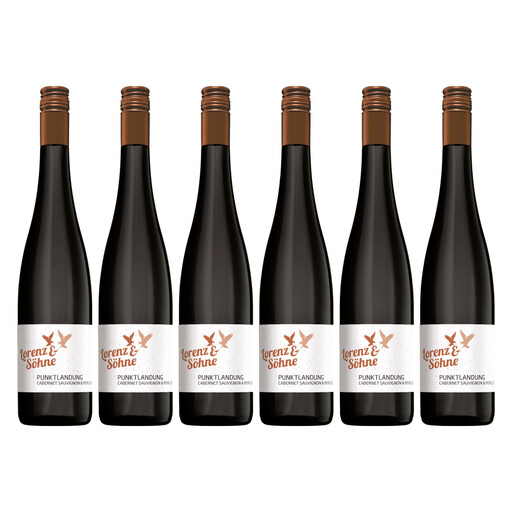
Why This Fits Their Persona: Ideal for anyone looking for a reliable and straightforward red wine for dinner or social gatherings. The 6-bottle case offers a solid supply with excellent value for money.
Instead of a pompous label, this wine provides a clear designation of origin (Nahe, Germany) and a transparent cuvée. Buying it as a 6-bottle case bypasses the trap of high single-bottle shipping costs.
A balanced cuvée of Cabernet Sauvignon and Merlot; aromas of dark berries and ripe cherries; convenient stock-up case.
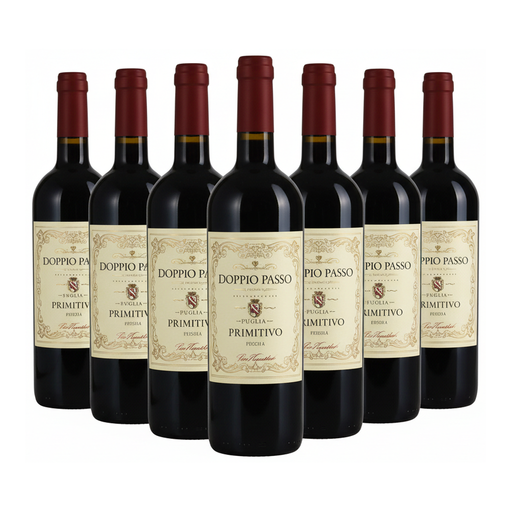
Why This Fits Their Persona: Perfect for connoisseurs specifically seeking a full-bodied and fruit-forward Primitivo. This wine embodies the characteristic style of Puglia and pairs excellently with hearty dishes like pasta or grilled meats.
The clear IGT classification for Puglia and the mention of the Primitivo grape variety provide a reliable quality and flavour indicator that goes far beyond a vague "Italian red wine" description.
Intense aromas of blackberries and cherries; a soft and full-bodied character; clear origin profile.
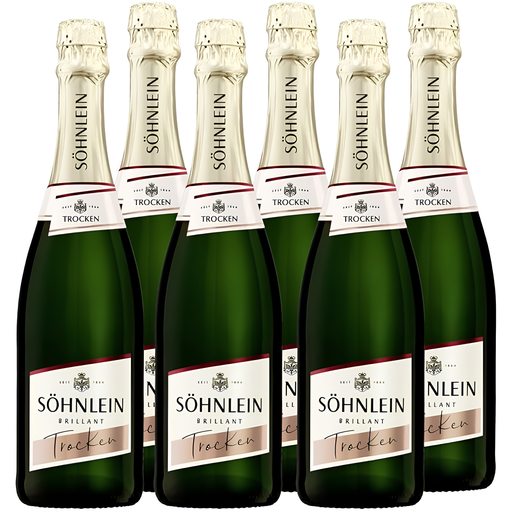
Why This Fits Their Persona: Anyone who enjoys entertaining guests appreciates having a good sparkling wine on hand. This case ensures that a high-quality, dry sparkling wine is always chilled and ready for spontaneous celebrations or as an aperitif.
Instead of opting for an unknown product with a flashy label, this well-known German brand offers reliable quality. Buying a 6-bottle case is an economically smart decision when ordering sparkling wine online.
Fine bubbles and a balanced dry profile; versatile as an aperitif or with light dishes; economical stock-up case.
We have compiled a complete, up-to-date list of products that meet these strict selection criteria.
An opened bottle of wine should always be tightly resealed and stored in the refrigerator—this applies to red wine as well. The cold slows down the oxidation process that quickly makes wine unpalatable. White and rosé wines will last for about 3–5 days, while red wines last 3–6 days. Sparkling wines lose their carbonation quickly and should be consumed within 1–2 days. A special sparkling wine stopper can help here.
Sulfites (sulfur dioxide) are sulfur compounds that occur naturally during fermentation and are also added in small amounts to stabilise the wine and protect it from oxidation. This has been an established practice for centuries. The label is important for allergy sufferers, but for most people, the quantities involved are harmless. Wines labelled "no added sulfur" do exist, but they are rarer and often have a shorter shelf life.
A wine case is worthwhile in three scenarios: