Who this decision matters to

Considerate listeners

If you’re comparing recordings while someone else in the room needs peace and quiet, the design, fit and a sensible volume all matter. Even closed-back headphones can’t guarantee that nobody else will hear anything. Thomann describes open-back systems as offering little isolation.

Listeners comparing spatial sound

If sound leakage won’t disturb anyone else, you can include open-back models in your listening comparison and pay attention to how the groups of instruments come across in the recordings. Manufacturers’ descriptions of open-back models are no substitute for trying them out yourself.

Long-session listeners

If you’re listening to several passages in a row, the fit, ear pads and cable should suit you and your playback device. The World Health Organization recommends listening at a moderate volume and taking breaks to protect your hearing.

What to look for when buying

Closed-back, wired over-ear headphones

Best suited to: If someone in the same room is sleeping or needs peace and quiet, closed-back headphones are the more obvious place to start.

Trade-off: Isolation also depends on the fit; closed-back doesn’t mean silent.

Open-back, wired over-ear headphones

Best suited to: If you’re listening alone or sound leakage won’t bother anyone, you could consider an open-back model for comparing recordings.

Trade-off: Open-back systems offer little isolation and may disturb the other person in the room.

What matters What to check when buying Who is this important to?
Sound leakage and isolation Check the closed-back design and how the ear pads fit when you’re actually wearing them; open-back models offer little isolation. If someone is sleeping next to me, I want to limit how much music escapes without assuming complete silence. Around 36% of consumers put consideration for others and isolation first.
Spatial presentation Listen to the same passages on the same device, with the volume matched. When comparing recordings, I want to judge the differences between them more accurately instead of hastily attributing them to the headphones. Around 29% of consumers prioritise comparing the spatial presentation of recordings.
Fit during longer listening sessions Check the clamping force and ear pads while wearing your usual glasses, and over a realistic listening period. If I’m listening to several passages, the headphones should be comfortable, and a poor fit shouldn’t compromise the isolation. Around 21% of consumers prioritise fit and long-term comfort.
Connection and long-term use Check the socket, any adaptors you need, cable length and the exact impedance variant against your device. When comparing recordings, I want to connect my headphones without unsuitable plugs or an impractical cable. Around 14% of consumers put connectivity and long-term usability first.

Common misconceptions

  • Choosing open-back headphones based solely on promises of a wide soundstage

    Open-back systems let in ambient noise and allow more sound from the headphones to escape. In a shared bedroom, this could conflict with the other person’s need for peace and quiet.

    First decide whether you’ll be listening alone or whether sound leakage is acceptable. Then choose the design.

  • Assuming “closed-back” means nobody else can hear a thing

    The design doesn’t replace a good fit or considerate listening volume. Listening at a high volume for long periods can put your hearing at risk.

    Check the fit of the ear pads and how much sound leaks at your usual volume, and listen at a moderate level. The World Health Organization also recommends taking breaks.

  • Checking only the model name, not the connection variant

    The DT 770 PRO is available in different impedance variants; plugs, adaptors and cable lengths can also differ between models.

    Before buying, check the exact variant and what’s included against your playback device.

    Depending on the connection, you may need a suitable adaptor or a different connection solution.

Key brands to consider

Sennheiser

The open-back HD 560S is worth considering if sound leakage in the room is acceptable.

  • Sennheiser lists a detachable cable and 120 Ohm impedance for the HD 560S.
  • Open-back design means little isolation. Claims about transparent sound reproduction are the manufacturer’s descriptions, not independent proof of how every listener will hear them.

beyerdynamic

The closed-back DT 770 PRO in its 80-ohm version and the open-back DT 900 PRO X offer two different designs for the same listening purpose.

  • The manufacturer lists replaceable ear pads and spare parts for the DT 770 PRO; the DT 900 PRO X has a detachable cable.
  • The 80-ohm version of the DT 770 PRO is not the same as the other impedance variants. The open-back DT 900 PRO X is not ideal if someone else in the same room needs peace and quiet.

AKG

The closed-back, foldable K371 is an option if isolation and the supplied cables are important to your choice.

  • AKG lists replaceable ear pads and three detachable cables.
  • Claims of neutrality and isolation are not independent measurements of how the headphones fit your head.

Sony

The MDR-M1 is a closed-back, wired over-ear option.

  • Sony lists 50 Ohm at 1 kHz, two cable lengths and a weight of around 216 g without the cable.
  • These specifications alone don’t prove how well the headphones will isolate sound in a bedroom or make them a preferred choice for orchestral recordings.

Audio-Technica

The closed-back ATH-M50x is a wired alternative with a detachable cable.

  • Audio-Technica describes the model as passively isolating.
  • The manufacturer’s description is not an independent sound comparison and doesn’t prove that the model leads the market.

Joybuy product selection

The following Joybuy models include over-ear, on-ear and in-ear headphones. For comparing orchestral recordings in a shared bedroom, pay particular attention to whether the design, connection and listening volume suit your situation.
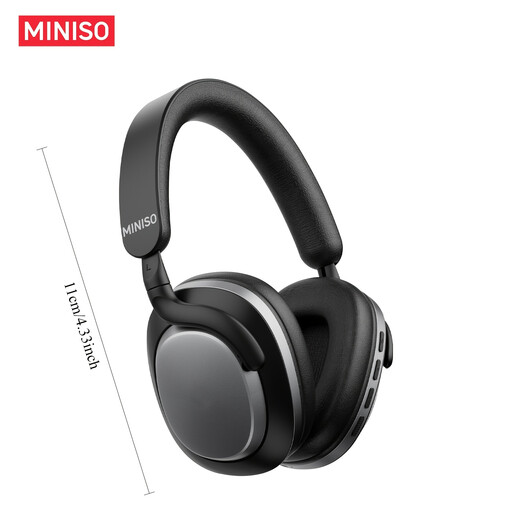
MINISO MG210 wireless over-ear headphones with noise cancelling, black

MINISO MG210 wireless over-ear headphones, black

For wireless listening when comparing orchestral recordings, if over-ear headphones suit you.

The product name lists noise cancelling and 24-hour battery life.

View on Joybuy
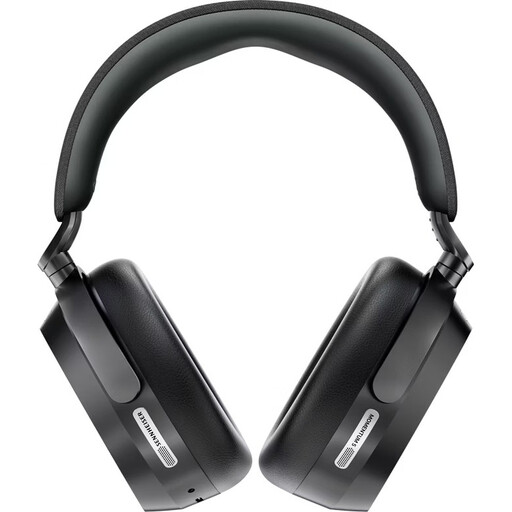
Sennheiser Momentum 5 wireless over-ear headphones, black

Sennheiser Momentum 5 wireless over-ear headphones, black

A wireless over-ear option if Bluetooth suits your listening comparison.

The product name lists a closed-back design, ANC, Bluetooth 5.4 and up to 57 hours of battery life. How much sound escapes at your listening volume still matters when you’re sharing a room.

View on Joybuy
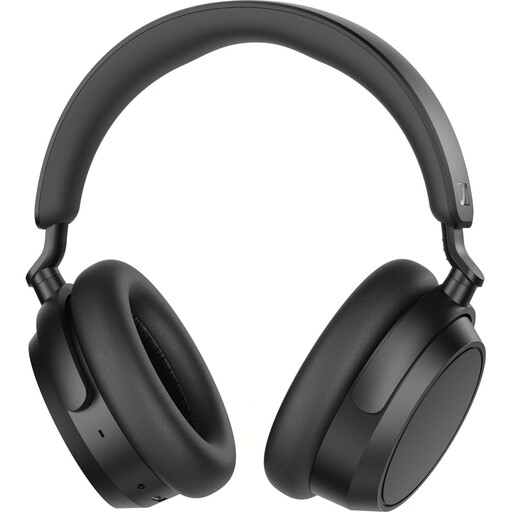
Sennheiser Accentum Plus wireless over-ear headphones, black

Sennheiser Accentum Plus wireless over-ear headphones, black

For listening comparisons where you’d like to use a wireless connection or a detachable cable.

The product name lists Bluetooth 5.2 with aptX and Multipoint, a detachable cable and 50 hours of battery life. Check that the connection suits your playback device.

View on Joybuy

JBL Tune 530C Comfort-Fit wired on-ear headphones, blue

JBL Tune 530C Comfort-Fit wired on-ear headphones, blue

A wired on-ear option if your playback device has a compatible USB-C audio output.

The product name lists USB-C, a microphone, EQ presets and a foldable design.

View on Joybuy
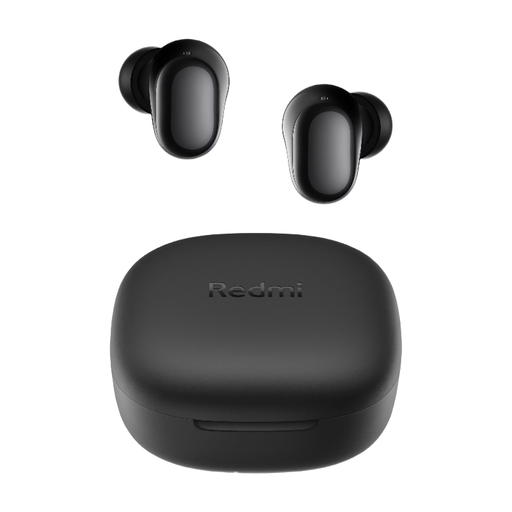
Redmi Buds 6 Play in-ear headphones, black

Redmi Buds 6 Play in-ear headphones, black

An in-ear option if you’re not looking for over-ear headphones for your comparison.

The product name lists Bluetooth 5.4, four EQ settings and noise reduction for calls. This doesn’t tell you how much sound will escape while listening to music in a shared room.

View on Joybuy

Frequently asked questions

Will closed-back headphones stop a sleeping person from hearing my music?

No. Closed-back headphones are the more obvious choice if you want to limit sound leakage, but fit and listening volume also matter. Open-back systems offer little isolation from the outside.

How can I compare two orchestral recordings fairly?

Use the same headphones and audio output, listen to the same passages, and match the perceived volume before making a judgement. Keep the volume moderate and take breaks; the World Health Organization recommends both to protect your hearing.

What should I check before connecting headphones to a laptop or hi-fi system?

Check the socket, the plug you need, cable length and the volume your own device can deliver. Manufacturers list different impedance ratings for the HD 560S, the 80-ohm version of the DT 770 PRO and the DT 900 PRO X; those figures alone aren’t enough to tell you whether your audio output is suitable.

What are my rights when buying online in Germany?

Consumers generally have a right to cancel a distance contract. According to the German Consumer Advice Centre, the cancellation period is usually 14 days from the date the contract is made or the ordered goods are received; you must notify the other party to the contract that you wish to cancel. Your statutory rights when goods are faulty are separate from any voluntary guarantee. Check the conditions and exceptions that apply to your specific purchase.

How should I dispose of old headphones?

In Germany, old electrical appliances must not go in household waste. The Federal Environment Agency lists suitable take-back points as a disposal option; where possible, remove any batteries and dispose of them separately.