Who is this listening setup for?

Anyone wanting to pick out chords

Listening to sections of a song repeatedly can help you compare the sounds and focus on the relationships between notes, rather than just an impressive bass. Berklee Online suggests singing along with the root notes in simple songs as one possible ear-training exercise.

Anyone sharing a room in the evening

If there’s someone else in the room, consider both the background noise that may distract you and how much sound escapes from your headphones. Musikhaus Thomann explains that closed-back designs provide more isolation, while open-back headphones let more sound out.

Anyone who cares about fit

If you’re sensitive to pressure or warmth while practising in the evening, choose a fit that suits your usual listening time. Musikhaus Thomann notes that headphones that are too tight can cause pressure. This is about comfort while practising, not a recommendation to fall asleep wearing headphones.

What should you look for when buying?

Open-back, wired over-ear headphones

A good fit if: you listen alone in a quiet environment and want to try open-back ear cups for comparing what you hear.

The trade-off: Open-back designs do little to reduce background noise and let playback sound escape.

Closed-back, wired over-ear headphones

A good fit if: you share a room or background noise gets in the way when you’re comparing what you hear.

The trade-off: Closed-back ear pads can feel tight or warm during longer listening sessions. The design alone doesn’t prove that the sound is neutral or that it will make chords easier to identify.

Key consideration What to check when buying Who should pay particular attention?
Comparing sound Listen to the same familiar section of a song repeatedly at a comfortable volume and check whether you can follow the bass movement and chord changes. If I want to assess the relationships between notes, not just the bass, I compare the same section of a song several times. Around 33% of consumers put sound comparison first.
Isolation in your room Check how the ear pads fit and listen at your usual volume to find out how much sound other people in the room can actually hear. If I share a room, I want to listen without distractions and avoid disturbing others with unnecessary noise. Around 27% of consumers prioritise consideration for others and isolation.
Comfort during longer sessions If possible, try the headphones for the length of a typical practice session and check for pressure and warmth. If pressure or warmth could disrupt my evening practice, comfort throughout the listening session matters to me. Around 20% of consumers prioritise how headphones feel to wear.
Connection and cable routing Check that the device socket, plug and supplied adapter are compatible with your playback device. Also check that the cable will reach comfortably to where you listen. What matters to me is that the headphones suit my existing device and listening space. Around 20% of consumers put device connectivity first.

Common misconceptions

  • ‘Studio’ doesn’t automatically mean chords are easier to pick out

    Manufacturers’ claims about sound accuracy don’t prove that a particular pair of headphones will make chord progressions easier to hear in your recording.

    Compare familiar sections of songs at a comfortable volume and practise listening for root notes and the relationships between notes.

  • Open-back headphones aren’t automatically suitable for a shared bedroom

    Open-back designs let background noise reach your ears and playback sound escape. This could be disruptive if someone else in the room is trying to sleep.

    First consider whether you’ll be listening alone or alongside someone else. If necessary, compare closed-back models and check how they actually fit.

  • Impedance and cable type alone don’t tell you whether the connection is compatible

    Different model variants can have different plugs, adapters and cables. An impedance rating on its own doesn’t tell you whether your specific playback device can reach your preferred volume.

    Check the exact model variant, device socket and what’s included in the box. Sennheiser says that an amplifier isn’t necessarily required for the HD 560S; still, check the volume on your own device.

    Depending on your headphones and playback device, you may need a suitable adapter or a different cable. Also check that your playback device can deliver enough volume.

Relevant brands at a glance

beyerdynamic

The DT 770 PRO models are closed-back, wired options; the DT 770 PRO X is a separate model variant.

  • For the 80-ohm DT 770 PRO, beyerdynamic specifies a 3.5 mm plug with a 6.35 mm adapter and lists replacement parts including ear pads.
  • The DT 770 PRO X is different: according to the manufacturer, it has 48 ohms and a detachable mini-XLR cable. These specifications don’t apply to the classic DT 770 PRO.

Sennheiser

The HD 560S is an open-back, wired option for comparing what you hear in a quiet room.

  • For the HD 560S, Sennheiser specifies open-back ear cups, 120 ohms and a detachable cable.
  • The open-back design does little to reduce external noise. Accuracy as described by the manufacturer isn’t the same as an independent measurement.

Audio-Technica

The ATH-M40x and ATH-M50x are closed-back models designed for monitoring.

  • Audio-Technica describes the ATH-M40x as foldable with a flat frequency response; for the ATH-M50x, the manufacturer specifies a detachable cable.
  • These model-specific claims from the manufacturer don’t prove that either sound profile will make it easier to pick out chords in your recording.

AKG

The K371 is a closed-back, foldable option if compact storage in your listening space matters.

  • AKG specifies 32 ohms and a weight of 255 g for the K371, and promotes it as delivering neutral sound.
  • The manufacturer’s claim about sound reproduction isn’t independent confirmation that the headphones will suit your recording or your personal listening preferences.

Joybuy products

Joybuy product options for evening listening, if background noise is distracting or you’d like to adjust the sound.
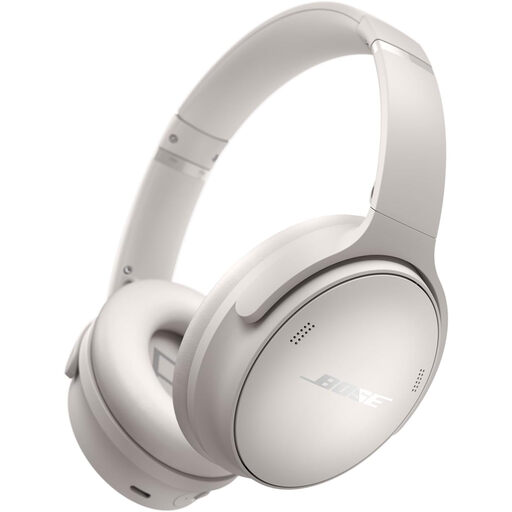
Bose QuietComfort Headphones White

Bose QuietComfort Headphones White

Could be worth considering for comparing what you hear if background noise is distracting or you’d like to adjust the sound; this doesn’t prove that it will make chords easier to identify.

The product description mentions Quiet and Aware modes, as well as EQ settings for bass, mids and treble.

Bluetooth and wired listening with an audio cable are also mentioned. Before buying, check which connection is intended for your playback device.

View at Joybuy

Frequently asked questions

Can studio headphones identify chords automatically?

No. Headphones play back the recording; identifying chords takes listening and practice. Berklee Online suggests repeatedly listening to short sections and following the root notes and relationships between notes as one possible exercise.

Should I keep my studio headphones on when I fall asleep?

This buying guide is about listening before bed, not wearing headphones while you sleep. Pay attention to volume and listening time. If you might fall asleep while listening, stop playback and take off any wired over-ear headphones.

How do I check the cable and replacement parts?

Check the accessories and replacement parts available for the exact model variant. For the DT 770 PRO, beyerdynamic lists replacement parts including ear pads, headband pads and cables; for the DT 770 PRO X, the manufacturer describes a detachable cable. These details can’t be applied to every model from a brand.

What are my rights when buying online in Germany?

For an eligible distance purchase from a trader, EU rules generally give you 14 days from receiving the goods to withdraw from the contract; statutory exceptions apply. This is separate from your rights if goods are faulty and from any voluntary manufacturer’s warranty. Your Europe, the EU’s information portal, also states that goods are covered by a legal guarantee of at least two years from receipt. Before buying, check who would have to pay for any return postage.

Is the CE mark a certificate of sound quality or chord recognition?

No. The European Commission describes CE marking as the manufacturer’s declaration that the relevant marking requirements have been met, not as an assessment of sound quality. The regulations that apply to a specific product variant need to be checked for that product.