When comparing levels at a desk by the window, your choice depends on the actual noise and whether sound could reach other people or a microphone. Open-back headphones are mainly an option in a quiet room, while closed-back models may suit you better if there’s distracting background noise or you’re recording in the same spot. Bonedo describes open-back models as offering little isolation, so what matters is the situation in your room, not simply the bright window. Headphones don’t measure programme loudness or True Peak. The European Broadcasting Union recommends these measurements in a broadcasting context, but its guidelines are not a universal target for every music recording.
Who are the different designs suited to?
Comparing recordings at a quiet desk
If you’re comparing finished recordings in a quiet room and sound escaping from your headphones won’t disturb anyone, an open-back model could be an option. You’ll also need a suitable measurement to match loudness; the European Broadcasting Union describes these measurements in a broadcasting context.
Comparing recordings when there’s audible background noise
If there’s genuinely distracting noise by the window or other people could hear what you’re listening to, a closed-back model may better suit your need for isolation. Bonedo notes that open-back headphones do little to block out background noise; with closed-back models, how the ear pads fit also matters.
Recording and monitoring in the same place
If you switch between recording with a microphone and comparing levels afterwards, consider how much sound reaches the microphone and whether the connection is suitable. Check the exact model variant and the output you have, rather than choosing based on the design alone.
What should you look for when buying?
Open-back design
A good fit if: you mainly compare finished recordings in a quiet room and sound escaping from your headphones won’t disturb anyone.
The trade-off: It offers little isolation from background noise and lets sound escape, as Bonedo describes for open-back headphones.
Closed-back design
A good fit if: actual noise makes it harder to compare recordings, other people could hear what you’re listening to, or you use a microphone in the same spot.
The trade-off: Check how the ear pads fit and seal around your own head; even closed-back headphones are no substitute for measuring loudness.
Semi-open design
A good fit if: you’re considering a compromise and can check how well the specific model isolates noise at your workstation.
The trade-off: The design alone won’t tell you whether the isolation is sufficient for your room or when using a microphone.
For level comparisons, you’ll need a comfortable, repeatable monitoring setup as well as a measurement suited to your intended output. The European Broadcasting Union’s R 128 recommendation is intended for the broadcasting context.
| Priority |
What to check when buying |
Who is this important to? |
| Consistent level comparisons |
A comfortable, repeatable monitoring setup; measure programme loudness and True Peak separately, in a way that suits your intended output. |
When I compare recordings repeatedly, I want to keep my listening volume constant and measure the signal as well. Around 36% of consumers put reliable loudness comparisons first. |
| Isolation and sound leakage |
Actual room noise and sound leakage; check the fit of the ear pads on closed-back models. |
If noise at my workstation is distracting or a microphone might pick up sound, the right level of isolation matters to me. Around 29% of consumers prioritise this. |
| Assessing sound detail |
Compare against familiar reference recordings; don’t treat manufacturers’ claims about reference sound as proof from a measurement. |
If I want to hear the differences between recordings, I need a model whose sound I can assess against reference tracks. Detailed listening is the main priority for around 21% of consumers. |
| Fit and connection |
Check the fit, cable routing, plug and impedance variant against the output you have. |
For longer sessions, I want my headphones and their connection to suit my monitoring setup. Around 14% of consumers prioritise fit and connection. |
Avoid common buying mistakes
-
Confusing a promoted sound profile with a level measurement
Programme loudness and True Peak relate to the audio signal. A manufacturer’s description of how headphones sound doesn’t verify these measurements.
Use a measurement that suits your intended output when matching levels, and also compare your audio with familiar reference recordings.
Allow time for measuring and comparing reference tracks; depending on how you work, you may also need measurement software.
-
Automatically choosing closed-back headphones because the window is bright
Brightness alone says nothing about the acoustic environment. Choose a design based on audible noise, sound leakage and whether you’ll be monitoring with a microphone.
Check screen visibility and actual noise separately before choosing a design.
-
Assuming the DT 770 PRO impedance variants are interchangeable
beyerdynamic offers 32, 80 and 250 Ohm variants for different output setups. Choose the one that suits the headphone output you have.
Check the full variant name against your output before buying.
Depending on the output you have, you may need additional equipment or a different model variant.
Brands and suitable product ranges to consider
beyerdynamic
The DT 770 PRO range offers closed-back variants for different output setups.
- For the 80-Ohm variant, the manufacturer lists replaceable ear pads and a 3.5 mm plug with a 6.35 mm adapter.
- Don’t assume the variants are interchangeable without checking the output you’ll use. The manufacturer’s sound description isn’t independent proof of neutrality.
Sennheiser
The open-back HD 560S could suit analytical listening and A/B comparisons in a quiet environment.
- Sennheiser lists the HD 560S as having an impedance of 120 Ohm and promotes it for A/B comparisons.
- The open-back design offers little isolation. The manufacturer’s claims about sound reproduction aren’t proof of independent neutrality.
AKG
The closed-back, foldable K371 could suit you if you compare recordings and also use your workstation for monitoring.
- AKG describes the ear pads as oval and sound-isolating. In its 2019 K371 review, Bonedo highlighted the frequency tuning and the supplied interchangeable cables.
- Manufacturer’s claims and an older review don’t prove that the fit will suit every head shape.
Audio-Technica
The closed-back ATH-M50x has a detachable cable and could be an option if this design suits your workstation.
- Audio-Technica lists passive noise isolation and a detachable cable.
- In its 2014 review, Bonedo reported that the treble sounded a little sharp at high volume. This verdict relates to the model tested and the time of that review.
Joybuy products on this topic
The following Joybuy headphones could be suitable for listening to recordings. Before buying, check that the design and connection suit the noise levels and output at your workstation; you’ll also need a suitable measurement to compare loudness.
 No image available
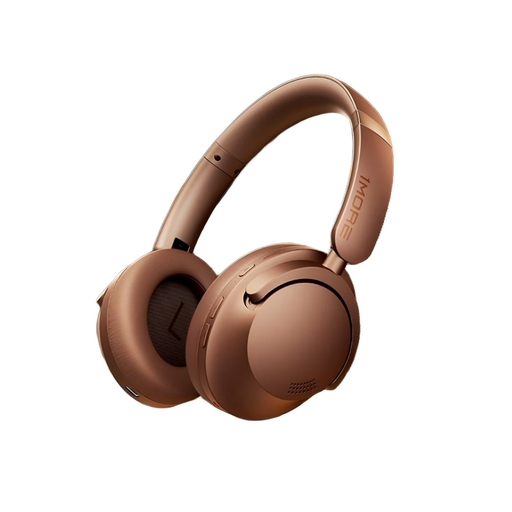
1MOREHQ51 SonoFlowPro, Global, Mocha Brown
This model could be an option for listening to and comparing recordings; check that its design and connection suit your workstation.
View at Joybuy
 No image available
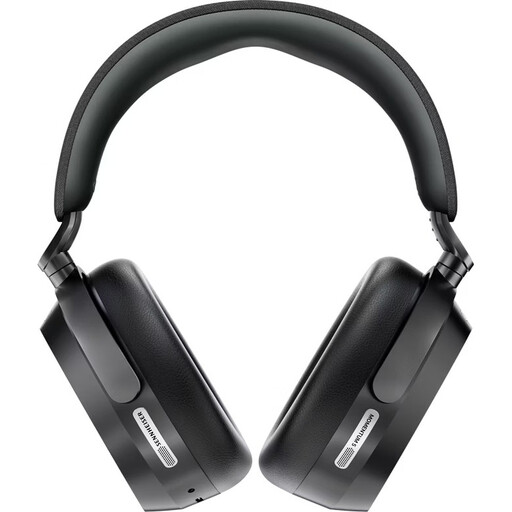
Sennheiser Momentum 5 Wireless Over-Ear Headphones
The closed-back design could be an option if you’re looking for closed-back headphones to use around actual background noise.
The product name lists Active Noise Cancellation, Bluetooth 5.4 and up to 57 hours of battery life.
View at Joybuy
 No image available
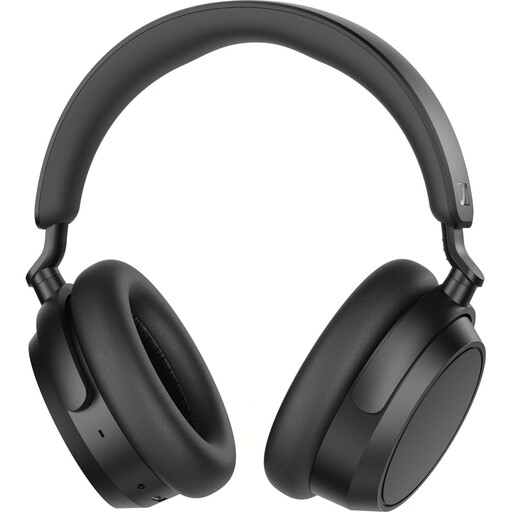
Sennheiser Accentum Plus Wireless Over-Ear Headphones
The closed-back design is one option if you need closed-back headphones to use around actual background noise.
The product name lists Active Noise Cancellation, Bluetooth 5.2 with aptX and Multipoint, up to 50 hours of battery life, and a detachable cable.
View at Joybuy
Frequently asked questions
Can I use headphones alone to match the levels of different recordings?
No. Compare recordings at as consistent a listening volume as possible, and also check the files using loudness and True Peak measurements suited to your intended output. The European Broadcasting Union recommends these measurements in a broadcasting context; its target values aren’t universal requirements for every recording.
Do I need closed-back headphones because the window is bright?
Not just because it’s bright. The right design depends on whether noise at your workstation is distracting, sound could reach other people, or you’re listening alongside a microphone. If sunlight makes the level display hard to read, check your view of the display separately from your choice of headphones.
What should I consider when it comes to connections and longer listening sessions?
Check the plug and headphone output against the exact model variant, and try the cable routing and fit with your usual glasses or working position. Keep the volume low and take breaks: the World Health Organization notes that the risk depends on both volume and listening duration.
What rights apply when buying online in Germany?
When you buy goods from a business seller, you’re generally entitled to a statutory guarantee period of at least two years from receipt; this is separate from any voluntary warranty. Online orders also generally come with a 14-day withdrawal period from receipt, as explained by the Verbraucherzentrale. The right to withdraw and your rights regarding faulty goods are different, so check the specific sales and returns information before placing your order.


