
Lieferung heute & morgen

Qualitätsgarantie

Willkommens-Angebote freischalten: KOSTENLOSE Lieferung | Bis zu 80 % RABATT | Kostenlose 30-Tage-JoyPlus-Testphase
App herunterladen
Open-ear Bluetooth headphones leave your ears free, making them practical for running, cycling or in the office. Unlike traditional in-ear models, they sit in front of or beside your ear. This category includes ear-clip headphones, bone conduction headphones and specialist Bluetooth headsets for helmets.
At first glance, the choice seems straightforward. In practice, however, a few marketing claims and technical details can lead to a poor purchase. What really matters is not just sound quality and battery life, but also the design, water and dust resistance, microphone quality and a secure fit during movement.
An open design can make ambient sounds more noticeable. However, it does not replace the need for full attention in traffic. According to safety notes in various product descriptions, you should still keep an eye on the traffic situation when running, cycling or motorcycling, and set the volume at an appropriate level.
With wireless headphones for running in particular, a stable fit is also important. An ear-clip may hold better on some ears than a neckband model. Fit is still a personal matter, though, and should be judged based on shape, weight and adjustability.
An IP rating consists of two digits. The first describes protection against solid foreign objects and dust, the second describes protection against water. IPX5, for example, means protection against water jets under specified test conditions, not automatically against submersion. IP55 adds dust protection, while IP68 can indicate a higher level of protection against dust and temporary submersion, depending on the manufacturer and test conditions.
The rating only applies under the intended conditions. Charging ports must be completely dry before charging. Salt water, chlorinated water, sweat and cleaning agents can place additional strain on materials.
Manufacturer figures for battery life usually refer to specific volume levels and usage conditions. Phone calls, high volume, wind noise and activated extra features can reduce the running time. If you mainly need a headphone with a microphone or a Bluetooth headset for phone calls, you should specifically check the stated talk time and microphone arrangement.
The following models cover different requirements. The stated values and features correspond to the respective product information. A direct comparison should always be made under the same usage criteria.
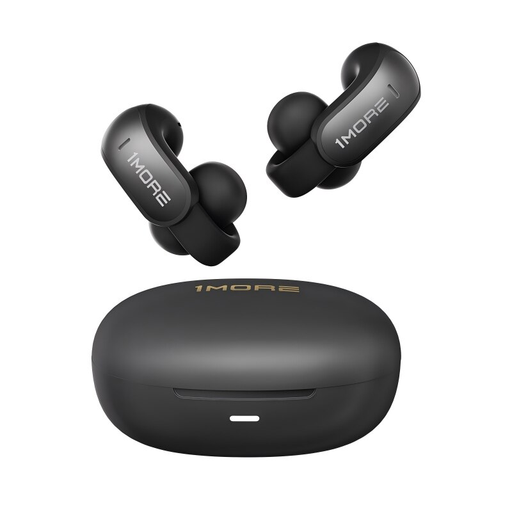
Why this product fits the profile: The clip design appeals to buyers looking for open Bluetooth headphones for everyday use, walks or light training. Bluetooth 5.4 and a stated playback time of up to 28 hours provide a versatile foundation.
The stated IPX5 classification makes the water protection clearer than a vague label like “sport-ready”. It is still not intended for submersion.
Clip-on design, Bluetooth 5.4, ENC and dual microphone, plus up to 28 hours of playback according to the product information.

Why this product fits the profile: This model is aimed at athletes and runners who prefer a neckband design with bone conduction. The stated battery life is up to 8 hours.
The product information does not explicitly state an IP rating. If you train in the rain, you should check this point directly in the current manufacturer documentation before buying.
Bone conduction, open-ear design, headset function and up to 8 hours maximum battery life according to the product description.
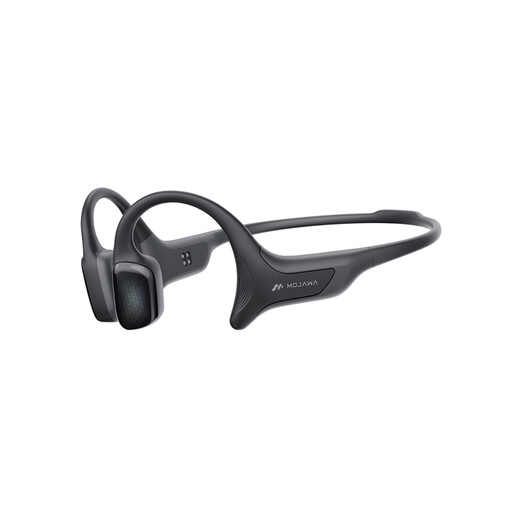
Why this product fits the profile: This model combines open-ear bone conduction with 32 GB of internal storage, sensor functions and a stated IP68 classification. This makes it suitable for users who train frequently and don’t always want to take their smartphone with them.
The protection rating and local storage are specifically stated. The charging port must be completely dry before charging; after swimming, rinsing with fresh water is recommended.
32 GB storage, up to 8 hours of audio and IP68 according to the product information; a microphone and fast charging function are also mentioned.
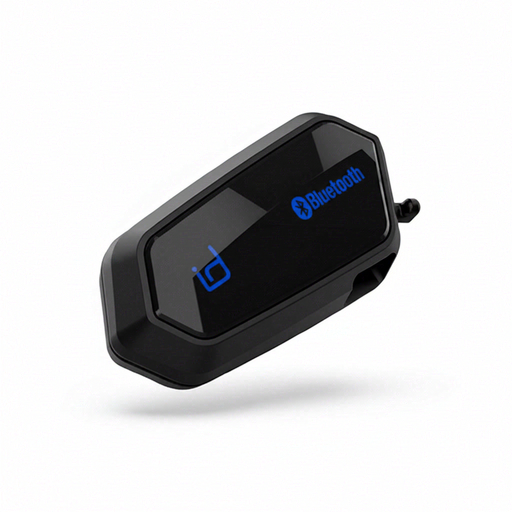
Why this product fits the profile: This motorcycle helmet headset is designed for navigation, phone calls and communication between two riders. According to the product information, it supports full-face and jet helmets.
The selection is focused on helmet communication rather than general sports headphones. IPX6, two microphone variants and a stated 2-person communication feature are specifically described.
Bluetooth 5.2, up to 35 hours of operating time, noise reduction, GPS support and IPX6 according to the product description.
We have put together a complete, regularly updated list of products that fully meet these strict selection criteria and the safety regulations in force in the EU.
They can be suitable for running training if the fit, volume and environment are right. An open design can make it easier to perceive traffic and other people. However, it does not replace safe route choice and full attention.
The service life depends on the battery, charging habits, exposure to sweat and water, and mechanical stress. The playback time stated by the manufacturer is a comparative value, not a guarantee for every everyday situation. For a longer product lifespan, avoid extreme heat, moisture at the charging port and permanently high volume.
During normal use, the main cost is the electricity consumption of the charger. With typical charging cycles, the costs usually remain low. More important for the total cost are spare parts, warranty conditions, charging accessories and whether a battery or charging port can be replaced if it fails.