
Lieferung heute & morgen

Qualitätsgarantie

Willkommens-Angebote freischalten: KOSTENLOSE Lieferung | Bis zu 80 % RABATT | Kostenlose 30-Tage-JoyPlus-Testphase
App herunterladen
Many of us know the problem: you want to listen to music while jogging, cycling, or at the office, but you also need to remain approachable or hear traffic. Conventional headphones that seal the ear canal often provide too much isolation. Plus, some users find in-ear models uncomfortable over long periods. A practical alternative is open-ear headphones.
These models sit outside the ear canal, allowing you to enjoy your audio content while keeping your ears open to ambient sounds. As a Joybuy Product Recommendation Officer, my mission is to offer you a clear and objective guide. This article will introduce different models and explain what to look for when making your selection, empowering you to make an informed decision.
Before you decide on a model, there are a few fundamental features to consider. These will help you find the right product for your individual needs.
Since these headphones don't sit inside the ear, the attachment method is crucial. The most common styles are ear clip headphones or models with a flexible hook.
Pay attention to the weight and the materials used. Skin-friendly silicone and flexible shape-memory alloys can significantly enhance wearing comfort.
Open-ear headphones use air conduction to transport sound to the ear without blocking the ear canal. The result is a compromise: you get an open listening experience where the sound quality, especially the bass, is perceived differently than with closed-back systems.
However, modern models use advanced technologies like directional audio or special algorithms to focus the sound directly towards the ear and minimise sound leakage. This makes them a great alternative to in-ear headphones for anyone who prioritises safety, such as safe headphones for cyclists.
As with all wireless devices, battery life is a key factor. Look for the combined playback time of the earbuds and the charging case. A fast-charging feature can also be useful, getting the headphones ready for several hours of use in just a short time.
Also, check the Bluetooth version and whether features like multi-device connection (multipoint connectivity) are supported. This is convenient if you want to switch seamlessly between your laptop and smartphone.
Here is a selection of models that stand out for their specific features and design concepts.
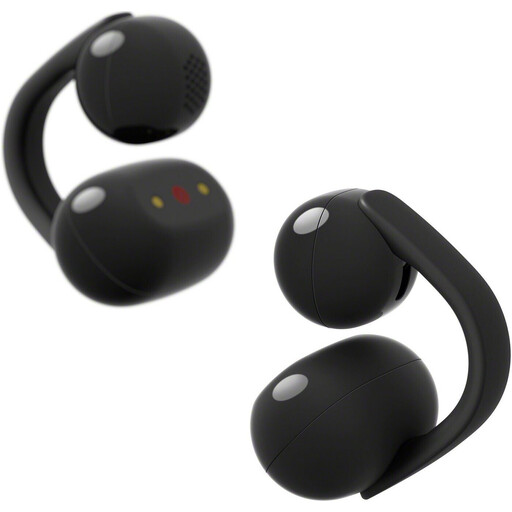
Why they stand out: The Sony LinkBuds Clip combine an open design with versatile listening modes and Sony's renowned sound technology. Particularly noteworthy are the three customisable listening modes, which can be switched with a tap: Standard Mode for music, Vocal Boost Mode for podcasts, and a noise reduction mode for quieter conversations.
Benefits at a glance:
Who are they for? Users looking for a flexible solution for various listening situations—from enjoying music and podcasts to taking calls outdoors or in the office.
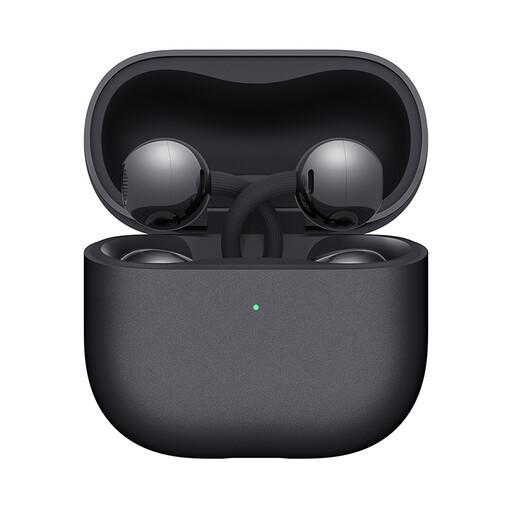
Why they stand out: The Huawei FreeClip 2 are distinguished by their C-bridge design, which is based on the analysis of over 10,000 ear data points. Weighing only 5.1 grams per earbud, they are extremely lightweight. A special feature is the automatic left-right detection, allowing the earbuds to be worn interchangeably on either ear.
Benefits at a glance:
Who are they for? Active individuals and athletes looking for lightweight, durable, and comfortable Bluetooth headphones that aren't in-ear for daily use and intense training sessions.
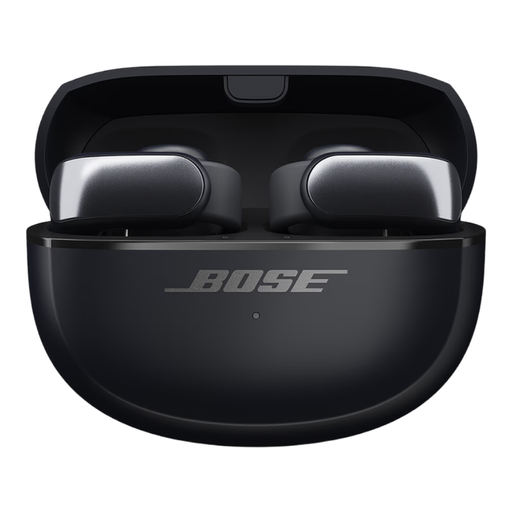
Why they stand out: The Bose Ultra Open Earbuds feature Bose Immersive Audio technology, designed to create a spatial and richly detailed soundstage. The ear-hook design ensures a secure fit while leaving the ears completely open. Another key feature is Bose SimpleSync technology.
Benefits at a glance:
Who are they for? Audio enthusiasts who want an open-ear experience with a spatial soundstage, as well as Bose users looking to seamlessly integrate their headphones into their existing sound system.
The models presented here offer a good overview of the current options available. However, if you are looking for other designs or specific features, you may find the right product in our broader selection.
? Discover more models in the Headphone Clip category here
Open-ear headphones (like the models featured here) use air conduction. Miniature speakers direct sound towards the ear canal without blocking it. In contrast, bone conduction headphones transmit sound through vibrations via the cheekbones directly to the inner ear. Both concepts keep the ears free but use different technologies for sound transmission.
Yes, many models are specifically designed for it. Look for a secure fit (e.g., via ear hooks or a stable clip design) and an IP rating (e.g., IPX4 or higher) that ensures protection against sweat and splashing water. The open design is particularly advantageous for outdoor sports like jogging or cycling, as it maintains awareness of your surroundings.
The sound quality is different. Since the ear canal is not sealed, there can be less bass pressure and more "sound leakage" (sound escaping outwards). However, high-quality open-ear models compensate for this with directional audio and digital sound enhancement. For audiophiles seeking maximum isolation and bass reproduction, closed-back in-ear or over-ear headphones often remain the top choice. For everyday use, sports, and the office, however, open-ear headphones offer an excellent balance of sound and situational awareness.