
Lieferung heute & morgen

Qualitätsgarantie

Willkommens-Angebote freischalten: KOSTENLOSE Lieferung | Bis zu 80 % RABATT | Kostenlose 30-Tage-JoyPlus-Testphase
App herunterladen
Open-ear headphones sit in front of the ear canal or on the outer ear, rather than sealing it completely. This means conversations, traffic and announcements generally remain audible. For commuters, professionals, travellers and active people, this concept can be practical – provided the fit, battery life and protection rating suit your needs.
However, when buying, some marketing claims can quickly lead to poor decisions. The following criteria will help you compare open-ear earbuds objectively and choose a model for your daily life.
The open design makes it easier to hear your surroundings, but it doesn’t replace your own attention. In traffic, while cycling or near construction sites, music, wind and other noises can still affect your awareness. Keeping the volume moderate remains important.
Ratings such as IPX4, IPX5 or IP67 describe different levels of protection. IPX4 typically means protection against splashes, while IPX5 covers water jets from certain directions. Even a product with a higher protection rating isn’t automatically suitable for swimming. Charging ports and the charging case may also be less protected than the earbuds themselves.
Claims like “up to 28 hours” or “up to 40 hours” often refer to the earbuds and charging case combined. With sound modes activated, high volume or during calls, the actual runtime may be lower. For heavy users, the single-charge runtime per earbud is therefore the key figure.
Open-ear headphones are available as clip-on models, designs with ear hooks or open headband constructions. A clip can put less pressure on the ear canal during long office or travel hours. An ear hook or headphones with an ear hook, on the other hand, often provide extra stability during quick movements.
Pay attention to:
For sports headphones, stability should be assessed before sound quality. A high-quality audio driver is of little use if the earbud slips during running or strength training.
Wireless Bluetooth headphones should be compatible with your devices. Bluetooth 5.3 or 5.4 can represent a current wireless standard, but alone says nothing about actual range indoors. The stated range usually refers to an open environment.
For professionals, the following are also important:
With open-ear models that have a microphone, voice quality shouldn’t be judged solely by the number of microphones. Wind protection, software support and the position on the ear also affect calls.
For daily commuting, IPX4 may be sufficient if only occasional splashes or light rain are expected. For more intense workouts, waterproof Bluetooth earbuds with a higher protection rating are worth considering. Still, check the manufacturer’s instructions and avoid submerging them unless expressly stated.
Also compare:
A longer total runtime is especially useful for travel. For the daily commute, however, a short fast-charge may be more important than a large case capacity.
The following models cater to different needs. The information is based on the respective product descriptions and technical data.
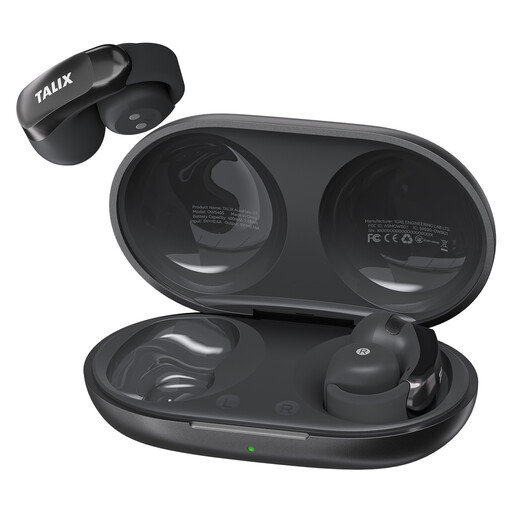
Why this product fits the profile: The clip-on design with a silicone ear hook is aimed at users looking for a lightweight solution for commuting, the office and fitness. According to the product information, one earbud weighs 5.2 g.
The single-charge runtime of up to 7 hours and the stated total runtime of up to 28 hours make the figures between earbuds and charging case clear. IPX4 is clearly classified as protection against splashes.
Bluetooth 5.3, four microphones, touch controls and a fast charge of 10 minutes for up to 2 hours of playback.
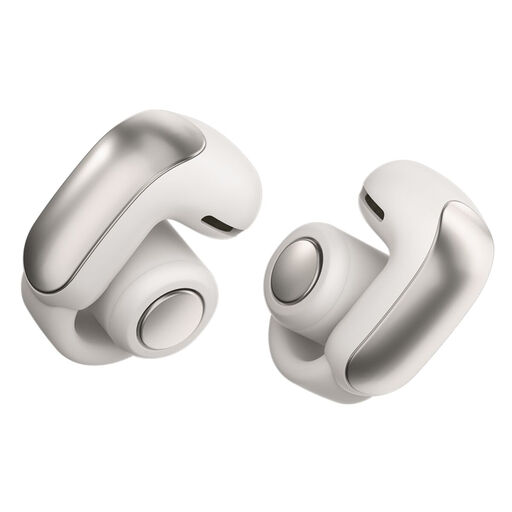
Why this product fits the profile: The open clip-on design, Bluetooth 5.3, Multipoint and app support suit users who switch between smartphone, laptop and everyday situations.
The product data separates the playback time of the earbuds from the capacity of the charging case. The IPX4 protection rating is described as splash resistance, not suitability for submersion.
Up to 7 hours of playback per charge, touch controls, Bluetooth Multipoint and support for the Bose Music app.
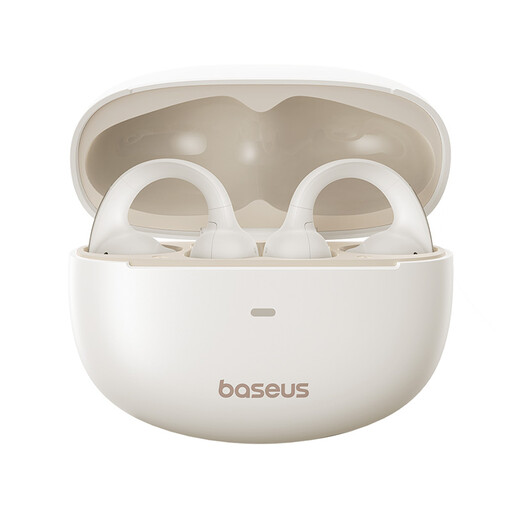
Why this product fits the profile: The specifications of IP67, up to 9 hours of playback per charge and up to 40 hours with the charging case appeal to users looking for headphones for sport and everyday life with larger battery reserves.
The product description states the protection rating, single-charge runtime and combined runtime separately. This makes it easier to assess the benefit for longer trips or frequent workouts.
Bluetooth 6.0, LDAC support, open-ring design, fast charging and, according to the product information, IP67.
We’ve put together a full, regularly updated list of products that fully meet these strict selection criteria and the safety regulations in force in the EU.
The open design can make it easier to hear ambient sounds. However, it does not guarantee safe participation in traffic. For bicycles, e-scooters and motor vehicles, the respective legal requirements apply. In situations requiring a high level of attention, you should avoid using headphones.
The lifespan depends on the battery, charging cycles, care and mechanical stress. Models with flexible clips or ear hooks should not be bent unnecessarily. An IP protection rating also does not protect against every liquid damage and says nothing about the battery’s lifespan.
That depends on the microphones, wind protection, Bluetooth connection and environment. Four microphones or stated noise reduction can be constructive advantages, but they don’t replace a practical test in your own work or commuting environment. For regular online meetings, Multipoint and reliable device compatibility are also relevant.