Considerate evening listeners
If someone else is in the bedroom, a good fit and minimal sound leakage are important things to consider. RTINGS.com describes closed-back headphones as limiting sound leakage compared with open-back models.


For listening to opera in a shared bedroom, a well-fitting closed-back pair of headphones is usually the most obvious place to start. Compared with open-back models, they limit how much sound escapes, but they are not soundproof. If room noise is also bothering you, you could consider ANC. It helps the listener, but doesn’t tell you how much music the other person can hear. A wired model saves you having to charge it, while a wireless one can give you more freedom to move around.
If someone else is in the bedroom, a good fit and minimal sound leakage are important things to consider. RTINGS.com describes closed-back headphones as limiting sound leakage compared with open-back models.
If you want to hear voices and orchestral music in detail, judge the sound tuning with recordings you know well. Bear in mind that open-back models let more sound escape than closed-back ones.
If you can hear something like a fan in the same room, consider whether passive isolation is enough or whether ANC would help while you listen. ANC doesn’t block every sound, and it doesn’t indicate how much sound escapes.
A good fit if: You mainly listen through one audio source and don’t want to charge your headphones.
Things to consider: Passive isolation depends on the fit, and the cable and connector need to be compatible with your audio source.
A good fit if: As well as sharing a room, you’d like to reduce distracting background noise while listening.
Things to consider: ANC doesn’t remove all noise, needs power and doesn’t necessarily reduce how much music escapes.
A good fit if: The other person isn’t in the room, or sound escaping is definitely not a problem.
Things to consider: According to RTINGS.com, open-back models let more music escape and more background noise in than closed-back ones.
| What matters | What to look for | Who is this especially important to? |
|---|---|---|
| Minimal sound leakage | Check the design and fit; even closed-back headphones aren’t soundproof. | When I listen with someone else in the room, I want as little music as possible to escape. Around 33% of consumers put minimal sound leakage first. |
| Voices and orchestral sound | Listen to familiar opera recordings, paying attention to voices, quiet passages and dense orchestral sections; trying them out for yourself can help you choose the right sound. | If voices and orchestral music matter more to me than other buying criteria, I want to judge the sound tuning for myself. Around 27% of consumers prioritise the sound of opera. |
| Comfort | Check how the ear cups fit, how much pressure they apply and how the cushions feel during a longer try-on. Don’t loosen the fit at the expense of isolation. | For longer listening sessions, I want to avoid pressure points and keep a secure fit. Around 20% of consumers put comfort first. |
| Connection and ease of use | Check that the plug, any adapters you need and the Bluetooth connection are compatible with your audio source. For wireless models, check battery life for the mode you’ll use. | If I want to connect and use my headphones with my audio source without any hassle, the right connection matters just as much as charging. Around 20% of consumers prioritise ease of use. |
ANC targets the sounds heard by the person wearing the headphones. It doesn’t tell you how much opera the other person in the room can hear.
First check the design and fit, then consider whether ANC helps you with room noise.
Compared with closed-back models, open-back headphones let more music escape and do less to block out background noise.
Choose an open-back model only if the sound leakage is acceptable for the way you’ll actually listen.
Manufacturers’ figures can vary depending on which features are switched on, so a battery-life figure on its own tells you little about a different listening setup.
Compare figures for the same operating mode, and check whether the specific model can be used with a cable when the battery is flat.
The examples below refer to specific model ranges and help explain wired, ANC and comfort features. They are not a general assessment of each brand.
The DT 700 PRO X is a closed-back, wired model for listening at home.
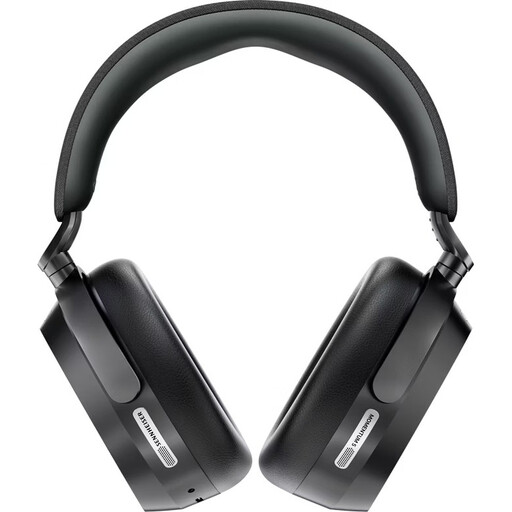
The HD 480 PRO is designed for wired listening, while the MOMENTUM 4 Wireless offers wireless listening with ANC.
The WH-CH720N and WH-1000XM6 are closed-back ANC models with different features.
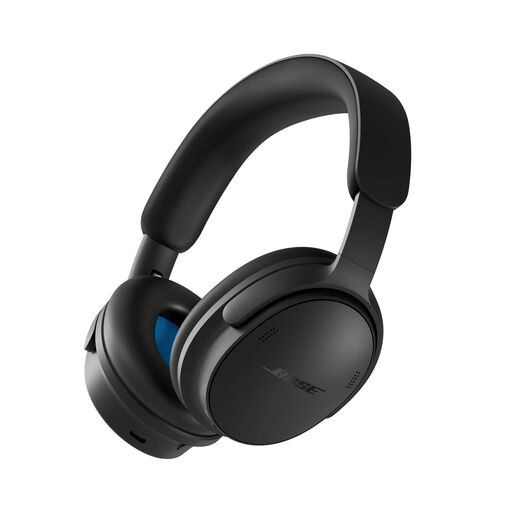
The 2nd Generation QuietComfort Ultra Headphones are a closed-back ANC option with adjustable EQ.
The wired ATH-M50x is a closed-back alternative with a detachable cable.
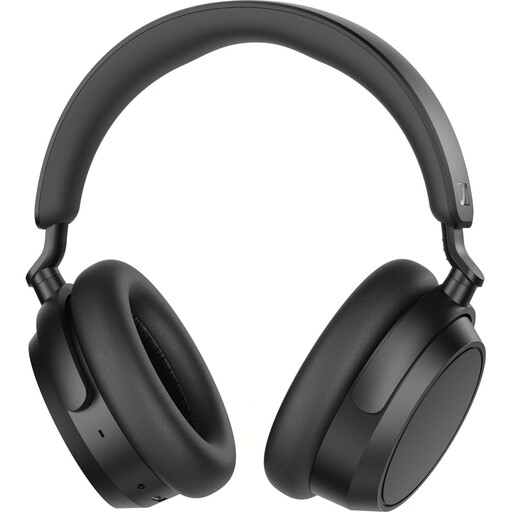
The Joybuy headphones below are wireless over-ear models with ANC. Some models are specifically described as closed-back or as supporting wired listening.
 No image available
If you’d also like to reduce room noise while listening, the ANC modes described may be useful; they don’t indicate how much music escapes.
The product description lists Quiet, Aware, 360-degree and Cinema modes, as well as Bluetooth and wired listening.
Described as an over-ear model; a closed-back design isn’t specifically stated.
The description lists up to 24 hours of battery life with ANC.
 No image available
If you want to listen wirelessly and reduce room noise, this model is described as closed-back over-ear headphones with ANC. It still isn’t soundproof.
The product specifications list Dolby Atmos and Bluetooth 5.4.
Up to 57 hours of playback with ANC; actual battery life depends on how you use them.
The description lists a replaceable battery and rotating ear cups.
 No image available
If you want ANC and the choice of wired or wireless listening, these features are listed in the product description. Even a closed-back model isn’t soundproof.
The product specifications list a closed-back design, ANC, Bluetooth 5.2 with aptX and multipoint connectivity.
Up to 50 hours of battery life; the description also lists a detachable cable.
Rotating and adjustable ear cups are listed in the description.
 No image available
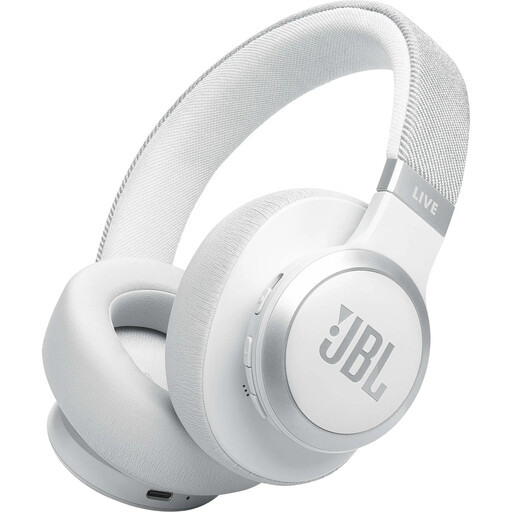
If you’re looking for ANC to reduce room noise, the product description lists Adaptive Noise Cancelling and Smart Ambient. This doesn’t confirm a closed-back design.
The description lists JBL Spatial Sound, app customisation, multipoint connectivity and a detachable cable.
Up to 50 hours of playback with ANC is stated.
Soft ear cushions and a lightweight headband are described as comfort features.
 No image available
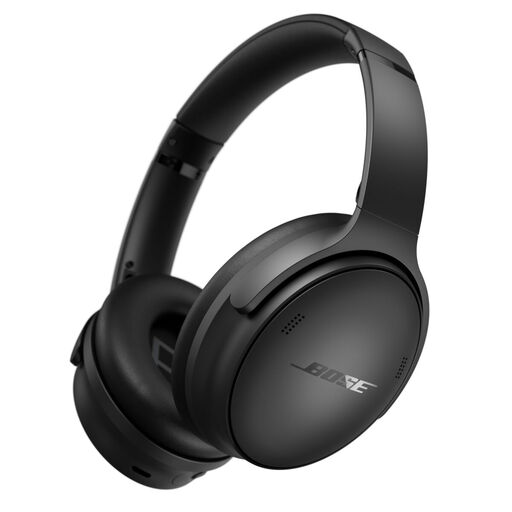
If you want ANC and a specifically stated closed-back design, these features are listed in the product description. You’ll still need to check the fit and how much sound escapes.
The description lists an over-ear design, adjustable equaliser, Bluetooth and wired listening.
Up to 24 hours of battery life, soft ear cushions and a padded headband are listed.
No. ANC targets the sounds you hear. The design and fit of the headphones, along with your actual listening volume, matter to the other person; even closed-back headphones aren’t soundproof.
Start at a moderate volume and take listening breaks. The World Health Organization gives an average of 80 dB for no more than 40 hours a week as an example guide, not a universally safe setting or legal allowance. Check the fit and ear pads regularly; beyerdynamic lists compatible replacement ear pads and cables for the DT 700 PRO X.
That depends on the connection on your audio source and the plug on your headphones. For the DT 700 PRO X, beyerdynamic lists a 3.5 mm jack plug and a 6.35 mm adapter; check the connection against your device before buying.
When you buy online from a trader, you generally have a 14-day right to cancel from the date you receive the goods; exceptions and potential return costs should be taken into account. The European Union also sets out a minimum two-year legal guarantee for new goods. This statutory protection against faulty goods is different from a voluntary manufacturer’s warranty.