
Lieferung heute & morgen

Qualitätsgarantie

Willkommens-Angebote freischalten: KOSTENLOSE Lieferung | Bis zu 80 % RABATT | Kostenlose 30-Tage-JoyPlus-Testphase
App herunterladen
Optical accessories for outdoor and everyday use need to meet very different requirements depending on how they are used. AR glasses for gaming and travel require different features from cycling glasses, a golf rangefinder or an iPhone camera lens protector. What matters is not eye-catching marketing claims, but clear information about compatibility, materials, light transmission, protection and wearing comfort.
A high refresh rate or wide field of view may sound convincing at first. In practice, it matters whether the connected device supports these specifications and whether the image can be positioned comfortably. When choosing AR glasses, you should therefore look beyond a 120 Hz Micro-OLED display and also check the connection, power supply, interpupillary distance and vision correction.
For electronic accessories, the model designation is crucial. An iPhone camera lens protector must match the exact arrangement and size of the lenses. Smart glasses can also differ in the smartphones, computers and games consoles they support. Claims such as ‘compatible with most devices’ are no substitute for checking your own model specifically.
UV400 protection describes protection from ultraviolet rays up to a wavelength of 400 nanometres. This is a technical specification, but on its own it says nothing about tint, light transmission or suitability for changing weather conditions. For sunglasses and sports lenses, you should also check light transmission, coatings and intended use.
Before buying AR glasses such as the Rokid Max 2 or the XREAL One Pro, check the following:
According to the product description, the Rokid Max 2 can be used with Android devices, Windows computers and various games consoles. It offers adjustable correction for short-sightedness up to 600 dioptres; according to the description, astigmatism and long-sightedness are not supported. You should compare these specifications with your own requirements before buying.
Light transmission is a useful comparison point for sports lenses. The BleeqUp Ranger ZEISS Blue Lenses and Champagne Gold Lenses are specified with light transmission of 18 to 43 per cent. Lower light transmission can be useful in bright sunlight, while changing light conditions may call for a different tint.
Additional coatings serve different purposes:
The designation ZEISS sports lenses refers to the optical technology named in the product title. Claims about protection and features should be based solely on the relevant manufacturer’s specifications.
For an iPhone camera lens protector, the hardness rating, edge finish and fitting aid are important. The Spigen Glass.TR EZ Fit Optik Pro is described as having 9H hardness, an oleophobic coating and an EZ-Fit frame for alignment. It is still important to check that your own iPhone model is included in the compatibility list.
With AR glasses, weight, nose support and fit matter just as much as the display. The Rokid Max 2 is specified as weighing 75 grams and having a redesigned nose pad. For longer periods of use, such as on a train, at a concert or while gaming, you should also check whether the weight is distributed evenly.
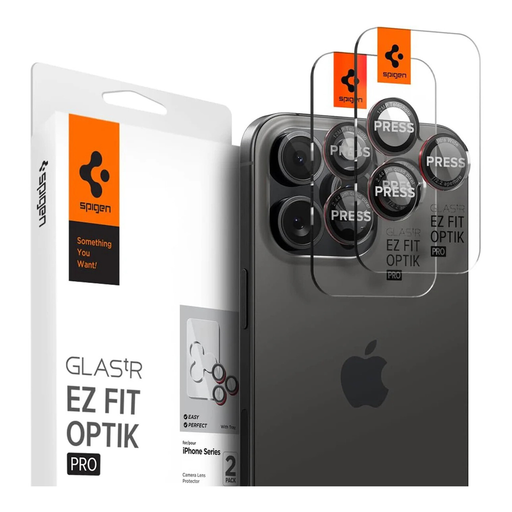
Why this product suits this profile: For iPhone users who want to protect their camera lenses with a precisely compatible solution, without buying an extensive accessory system.
The compatibility list names iPhone models in the Pro and Pro Max ranges. The EZ-Fit frame supports properly aligned installation.
9H hardness, oleophobic coating, smooth edges and two protective glasses included.
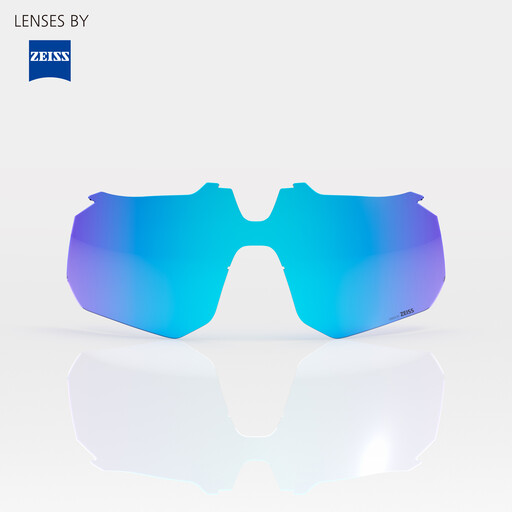
Why this product suits this profile: For cyclists, runners and hikers who want to compare light transmission, coatings and UV protection carefully before buying.
The product specifications state 18–43 per cent light transmission and list specific coatings rather than referring to an unexplained tint.
UV400 protection plus scratch-resistant, water-repellent and oleophobic coating, according to the product description.
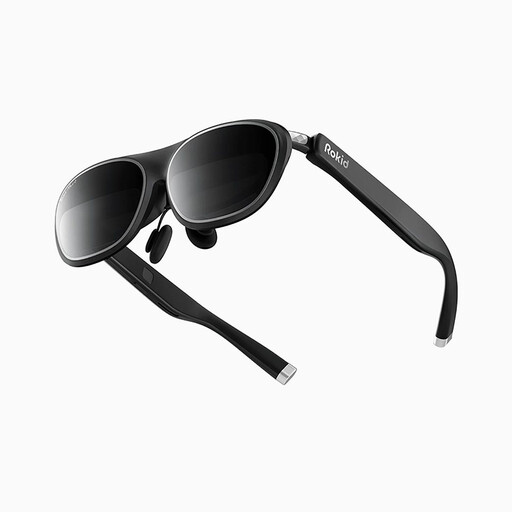
Why this product suits this profile: For gaming, travel, mobile films, online concerts and working with compatible devices.
The description lists supported device categories, a 50° field of view, 120 Hz and power supplied through the connected device.
Micro-OLED display, 120 Hz viewing, specified brightness of 600 nits and vision correction for short-sightedness.
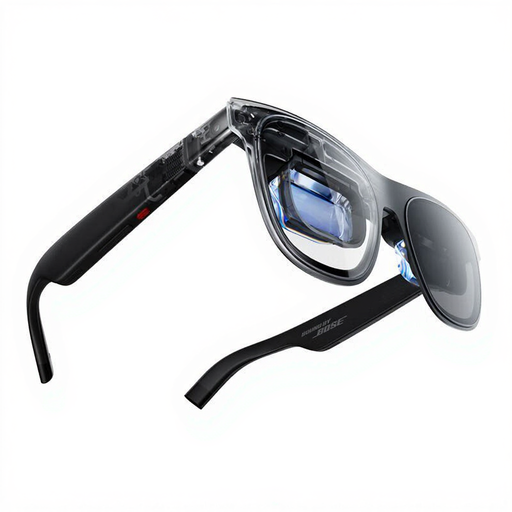
Why this product suits this profile: For users who want to use AR glasses with iPhone, Steam Deck, ROG, Mac, PC, Android or iOS across a versatile range of devices.
The product name points to native 3DoF, a 57° field of view, X-Prism optics and a 171-inch display at 120 Hz. Device compatibility still needs to be checked before buying.
X1 chip, native 3DoF and stated support for multiple mobile, desktop and gaming platforms.
We have put together a complete, regularly updated list of products that fully meet these strict selection criteria and the safety regulations applicable in the EU.
A combined telescope with rangefinding functionality may be of interest to golfers and travellers. The Ochama TR1 Viewing Telescope is specified with 6x optical zoom, a measuring range of up to 1,200 metres and direct USB-C charging. Before buying, you should check whether the measurement accuracy is sufficient for the intended distance and whether the controls are practical in changing light conditions.
For cycling glasses or sunglass lenses, fit, ventilation and the light category are just as important as UV protection. A water-repellent surface can be useful for runners and hikers; when driving on the road, the tint must not unduly restrict your vision. You should also clean the lenses without using harsh products, so that the coatings and surfaces remain in good condition for as long as possible.
This depends on the iPhone model, the connection and the required video output. iPhones may require a suitable adapter. Before buying, check the specifications for the AR glasses model in question and its compatibility with iPhone 15, iPhone 16 or other ranges.
Its lifespan depends on impacts, scratches, the contents of your bag or pocket and cleaning. A protective glass with stated 9H hardness and an oleophobic coating can make the lens cover more resistant to everyday wear. It should be replaced if it develops cracks, starts to lift or shows visible damage.
Some models draw power directly from the connected smartphone, computer or console and, according to the product description, do not require their own battery. While this removes the need for a separate charging cycle, it can place greater demand on the battery of the connected device. Actual battery life depends on the end device, brightness and length of use.