
Lieferung heute & morgen

Qualitätsgarantie

Willkommens-Angebote freischalten: KOSTENLOSE Lieferung | Bis zu 80 % RABATT | Kostenlose 30-Tage-JoyPlus-Testphase
App herunterladen
If you’re looking to buy Optimum Nutrition Gold Standard 100% Whey, you’ll find a range of pack sizes, flavours and recipes. For adults, strength athletes and active people, the brand name isn’t the only thing that matters. The key factors are the nutritional values per serving, the ingredients, the right pack size and how well you tolerate the product.
A 2 kg tub may look like good value at first glance. But if you only have a protein shake now and then, the powder could be open for a long time. Moisture, heat and packaging that hasn’t been sealed properly can make it harder to store and use. If you’re new to whey or like to switch between flavours, a 450 g or 768 g pack may be a better choice.
Whey protein can contain whey protein isolate, whey protein concentrate, hydrolysed whey or a blend of these. Isolate often appears first in the ingredients list, but that doesn’t automatically make it the right choice for everyone. If you’re sensitive to dairy or lactose, check the allergen and ingredients information particularly carefully.
Claims such as “Low Sugar”, “BCAA” or “24 g protein per serving” should always be considered alongside the actual serving size. Protein, sugar and carbohydrate levels can vary slightly between flavours. The nutritional information on the specific pack is therefore what matters.
For the variants covered here, protein content typically ranges from around 22.2 to 24 g per 30 g serving, depending on the flavour and product information. Some variants list 79 g of protein per 100 g, while Cookies & Cream products are sometimes listed at 74 g per 100 g. These differences matter when planning your daily protein intake.
The claim “24 g protein per serving” is only meaningful when you also know the serving size. A scoop can hold different amounts of powder depending on the product and how full it is. For accurate portions, use kitchen scales.
A whey protein blend made with isolate, concentrate and hydrolysed isolate combines different types of protein. The Optimum Nutrition products listed here include whey protein isolate, either as an ingredient or as the main ingredient. They may also contain soy lecithin, flavourings, xanthan gum, sucralose or acesulfame K.
If you’re looking for a low-sugar protein, don’t rely on the front of the pack alone. In some of the variants listed, sugar content is around 1 g per 30 g serving. The product is still a food supplement and should not replace a balanced, varied diet.
A 30 g serving gives you around 15 servings from a 450 g pack, 25 from a 768 g pack and 67 from a 2,020 g pack. If you have a shake every day, a larger pack may make sense. If you use it irregularly or aren’t sure about the flavour, a smaller pack is a lower-risk choice.
Chocolate protein powder, Banana Cream Whey and Cookies & Cream Whey differ not only in flavour, but sometimes in nutritional values and ingredients too. If you have allergies, check for dairy and, depending on the variant, soy, wheat or possible traces of other allergens.
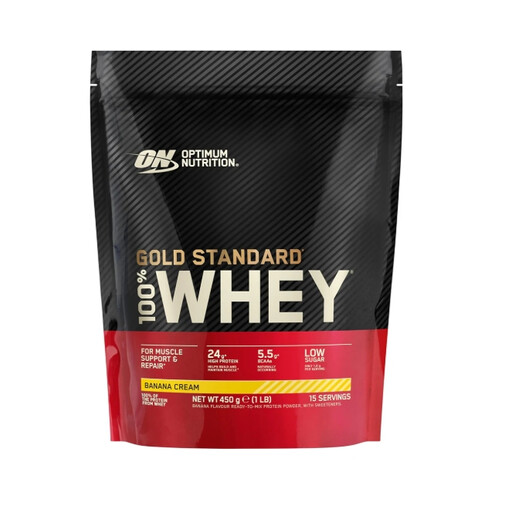
Why this product suits this profile: The smaller pack is a good choice if you’d like to try a flavour first or only make a protein shake occasionally.
The 450 g size reduces the risk of being left with a large pack of a flavour you don’t like.
30 g servings, 24 g of protein per serving according to the product information, and a manageable pack size.
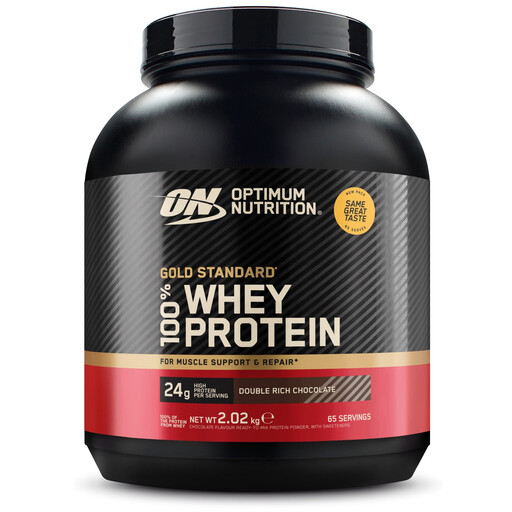
Why this product suits this profile: If you train regularly and want to plan your daily protein intake, this large pack gives you plenty of servings in one flavour.
The nutritional information lists 24 g of protein per 30 g serving, 113 kcal and around 1 g of sugar per serving.
A blend of whey protein isolate, concentrate and hydrolysed whey; according to the product information, each serving contains 5.5 g of naturally occurring BCAAs.
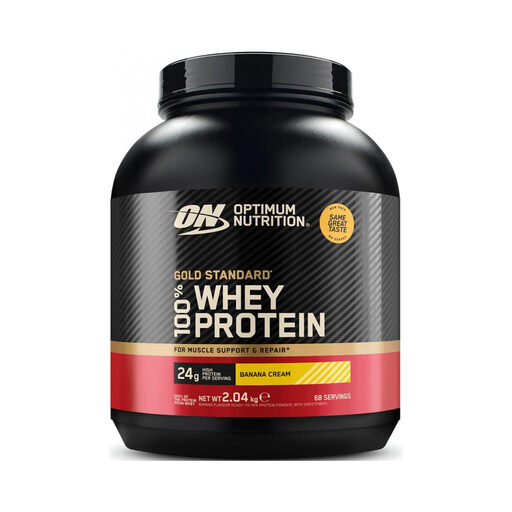
Why this product suits this profile: This large pack is for people who train often and want to use Banana Cream regularly in shakes, porridge or recipes.
Clear serving and nutritional information makes it easier to plan how much powder you’ll use each day.
79 g of protein per 100 g, 23.7 g per 30 g serving and around 113 kcal according to the product information.
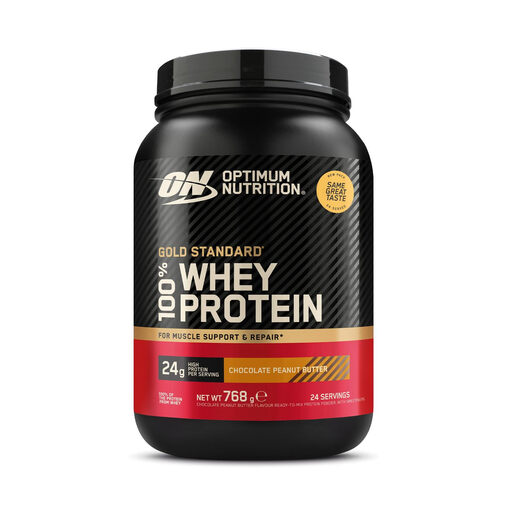
Why this product suits this profile: Chocolate Peanut Butter is an alternative to classic chocolate flavours and works well in shakes and high-protein recipes.
At 768 g, this pack sits between a trial size and a large stock-up, with nutritional values clearly listed per 30 g serving.
According to the product description, each 30 g serving provides 23.7 g of protein, 1 g of sugar and 113 kcal; mix with water or milk.
We’ve put together a complete, regularly updated list of products that meet these strict selection criteria and fully comply with the safety regulations in force in the EU.
For a classic protein shake, mix around 30 g of powder with 180 to 300 ml of cold water or milk, depending on the variant. A shaker makes preparation easier; drink the shake soon after mixing. Keep the powder in a tightly sealed container, somewhere cool and dry and away from direct sunlight, to help it keep for longer. Always follow the best-before date on the pack.
Do not use the product if you have a milk or soy allergy. If you have a medical condition, take medication or are unsure about your protein intake, it’s a good idea to seek medical advice.
Depending on the flavour and product information, a 30 g serving contains around 22.2 to 24 g of protein. Always check the exact information on the product label.
You can use the powder after training or at another time of day to supplement your daily protein intake. Timing alone is no substitute for a balanced diet or a suitable training and recovery plan.
It depends on the serving size and how often you use it. A 450 g pack provides around 15 servings at 30 g per serving, a 768 g pack around 25 servings, and a 2,020 g pack around 67 servings.