
Lieferung heute & morgen

Qualitätsgarantie

Willkommens-Angebote freischalten: KOSTENLOSE Lieferung | Bis zu 80 % RABATT | Kostenlose 30-Tage-JoyPlus-Testphase
App herunterladen
Regularly replacing your replacement brush heads is crucial for the cleaning performance of your electric toothbrush and for your overall oral hygiene. However, the market can be overwhelming: different systems, questionable compatibility claims, and a flood of third-party knock-offs make the choice difficult. The wrong toothbrush head can not only reduce cleaning performance but, in the worst-case scenario, even damage your teeth, gums, or the toothbrush handle itself.
This guide will help you navigate the typical pitfalls. We focus on the objective criteria that truly matter, so you can find the right, safe toothbrush head for your needs.
Before diving into the different types of brush heads, it's important to understand the most common issues that lead to dissatisfaction and unnecessary expenses.
To find the right toothbrush head, you should focus on two fundamental technical parameters instead of marketing promises.
This is the most important step. Check exactly which model of electric toothbrush you own. The model name is usually found on the bottom of the handle.
The choice of bristles depends on your individual needs. Manufacturers offer specialised heads for this purpose.
Here are some recommendations tailored to specific user needs and the criteria mentioned above.
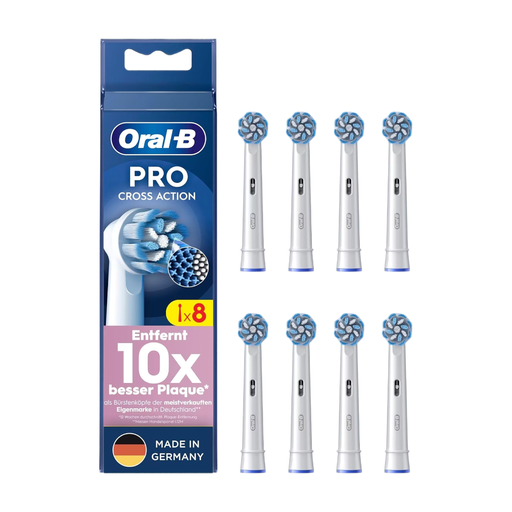
Why This Fits Their Persona: Ideal for individuals who want a thorough clean but are prone to gum irritation. These brushes combine high bristle density with an extra-soft material for gentle care.
As a genuine Oral-B product, compatibility with all rotating-oscillating handles (except iO/Pulsonic) is guaranteed. This avoids the risk of fit issues common with third-party refills.
The combination of extra-soft and X-shaped bristles allows for effective plaque removal even in hard-to-reach areas, without stressing the gums.
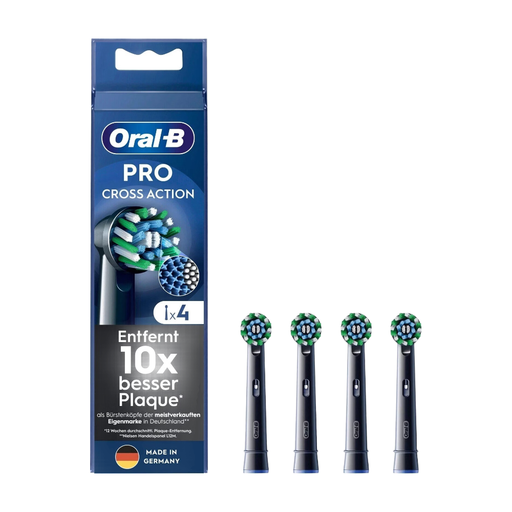
Why This Fits Their Persona: Designed for users who want maximum plaque removal. The design aims to thoroughly clean the spaces between teeth and along the gumline.
The precise bristle arrangement is difficult to replicate. In knock-offs, the angle of the bristles is often inaccurate, which significantly reduces cleaning performance. The genuine article ensures functionality.
The bristles, angled at 16-degrees, are designed to adapt to the contours of the teeth and reach areas that are difficult for straight bristles to access.
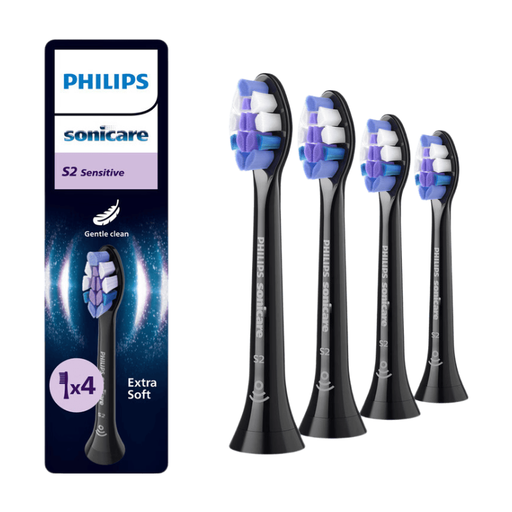
Why This Fits Their Persona: An excellent option for Sonicare users who prefer a gentle clean. The sonic technology is combined with extra-soft bristles to protect sensitive areas.
These brush heads are designed for the Philips Sonicare click-on system, avoiding the compatibility trap. According to the manufacturer, they are made from 70% bio-based plastic.
The 3,000+ ultra-soft bristles are densely packed to remove plaque along the gumline without causing irritation. Ideal for the daily care of sensitive teeth.
We've compiled a complete, up-to-date list of products that fully meet these strict selection criteria and all relevant safety regulations.
1. How often should you replace brush heads? Most manufacturers and dentists recommend a replacement every three months. Many genuine replacement brush heads feature indicator bristles that fade in colour to show the optimal time to change. A worn-out brush head cleans less effectively and can harbour more bacteria.
2. Do all Oral-B brush heads fit every Oral-B toothbrush? No. This is one of the biggest compatibility traps. Oral-B iO replacement brush heads are exclusively for the iO series. The Pulsonic series sonic toothbrushes also have their own unique, elongated brush heads. However, the common round replacement heads for electric toothbrushes from Oral-B (like CrossAction, Precision Clean) fit most other models (e.g., Pro, Smart, Genius, Vitality). Always check the product description for compatibility information.
3. Are more expensive brush heads worth the cost? The price difference between basic and specialised brush heads (e.g., for whitening or deep cleaning) is based on different bristle arrangements and materials. Whether the extra cost is worth it depends on your personal needs. For basic plaque removal, a standard head is often sufficient. However, those with specific requirements, such as sensitive gums or a desire to remove stains, can benefit from the specialised designs. Investing in genuine products generally ensures the correct fit and the advertised cleaning performance.