
Lieferung heute & morgen

Qualitätsgarantie

Willkommens-Angebote freischalten: KOSTENLOSE Lieferung | Bis zu 80 % RABATT | Kostenlose 30-Tage-JoyPlus-Testphase
App herunterladen
Choosing the right electric toothbrush or the correct replacement heads can be overwhelming. Many models boast numerous features, but not all are relevant for daily use. This guide will help you identify the crucial characteristics and sidestep common purchasing pitfalls, enabling you to make an informed decision for your oral care.
Before diving into the technical details, it's wise to understand the most common problems that can arise after a purchase.
To avoid these traps, focus on the following three core aspects. They are the primary determinants of your electric toothbrush's performance and long-term running costs.
The most important factor for long-term use is the toothbrush head. Before buying a handle, check which replacement heads are compatible and what their availability and pricing look like.
Electric toothbrushes primarily use two different technologies for plaque and tartar removal.
The choice between systems is often a matter of personal preference. Both technologies provide a thorough cleaning when used correctly.
Depending on your needs, there are specialised brush heads that can make all the difference.
Here are some product recommendations tailored to different user needs and the criteria mentioned above.
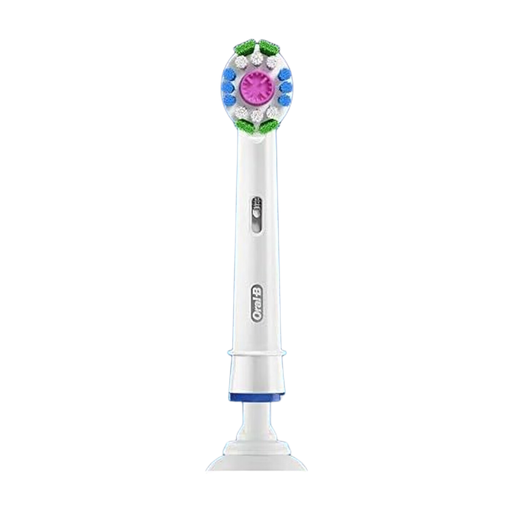
Why This Fits Their Persona: Ideal for owners of a standard Oral-B toothbrush (excluding iO/Pulsonic) who are looking for a cost-effective solution for teeth whitening. The bulk pack lowers long-term costs.
Solves the compatibility trap, as the product description clearly states that these brushes fit all Oral-B handles except Pulsonic and iO. The CleanMaximiser technology prevents overuse.
Features a polishing cup to remove surface stains. The green bristles turn yellow to indicate when it's time for a replacement.
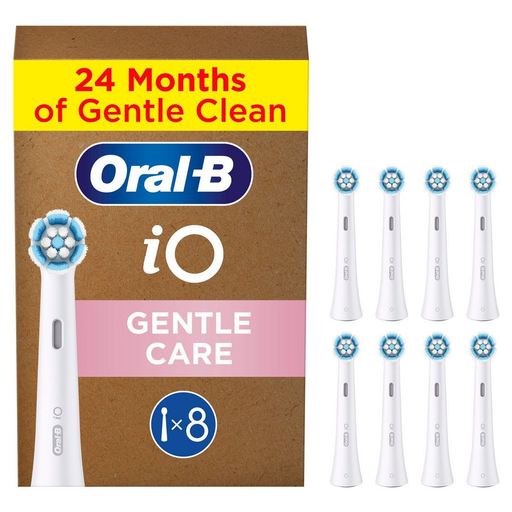
Why This Fits Their Persona: Specifically for users of the premium Oral-B iO system who need an exceptionally gentle clean for sensitive gums without compromising on cleaning performance.
This is a genuine brush head designed exclusively for iO handles. This guarantees a perfect fit and function, avoiding the trap of buying a wrong or incompatible brush head.
Combines up to 4000 soft bristles with a cushioning outer ring to gently adapt to the tooth's contour and protect the gums. Ideal for daily care with sensitivity.
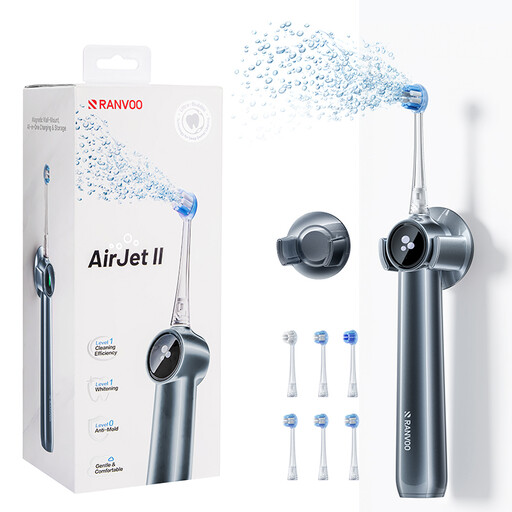
Why This Fits Their Persona: For users seeking a complete, modern oral care system and who are open to new technologies. Offers an all-in-one package with a focus on deep cleaning, gum protection, and long battery life.
Bypasses the trap of high recurring costs for brush heads, as the package already includes 6 heads for up to 18 months of use. The various modes (Gentle, Whitening, etc.) are clearly defined and not overwhelming.
According to the manufacturer, it uses a patented micro-bubble technology for deep cleaning. Includes a magnetic wall mount for charging and drying, which improves hygiene.
We have compiled a complete, up-to-date list of products that fully meet these strict selection criteria and German safety regulations.
Most manufacturers and dentists recommend changing the brush head every three months. A worn-out brush head cleans less effectively and can harbour more bacteria. Many modern brush heads, like those from Oral-B or Philips, have indicator bristles that fade to show when a replacement is due.
No. This is one of the most common sources of error. The brush heads for the Oral-B iO series are exclusively compatible with iO handles. Most other round Oral-B brush heads (e.g., CrossAction, 3D White, Sensi UltraThin) are compatible with most oscillating-rotating handles (Pro, Smart, Genius series) but do not fit iO or the Pulsonic sonic toothbrush range. Therefore, always check the compatibility information on the packaging.
Not necessarily. Both sonic and oscillating-rotating models offer special modes and brush heads for sensitive gums. Some users find the vibrations of a sonic toothbrush to be gentler. On the other hand, oscillating-rotating toothbrushes offer special "Sensitive" brush heads with ultra-thin, soft bristles. The choice ultimately depends on personal preference and individual sensation.