
Lieferung heute & morgen

Qualitätsgarantie

Willkommens-Angebote freischalten: KOSTENLOSE Lieferung | Bis zu 80 % RABATT | Kostenlose 30-Tage-JoyPlus-Testphase
App herunterladen
With a vast array of models and marketing promises, choosing a new electric toothbrush can be overwhelming. Many devices advertise features of questionable practical use, while fundamental quality characteristics are often hidden in the fine print. This guide will help you identify the crucial criteria and steer clear of common purchasing traps.
Common Pitfalls When Buying an Electric Toothbrush:
To make an informed decision, you should focus on three essential technical features that directly impact daily use and long-term satisfaction.
The type of brush head movement is the most fundamental distinguishing feature. Both technologies can lead to a thorough clean when used correctly, but the brushing sensation and handling differ.
For those who travel frequently or want to avoid constant charging, a long battery life is a critical criterion. Pay attention to the manufacturer's stated usage time in days or minutes under standard use (e.g., two minutes, twice a day). Models with USB charging offer additional flexibility on the go, as they don't rely on a specific charging base.
In contrast to complex app functions, there are two simple but very useful aids:
Based on the criteria above, we have compiled a selection of models tailored to specific needs and budgets.
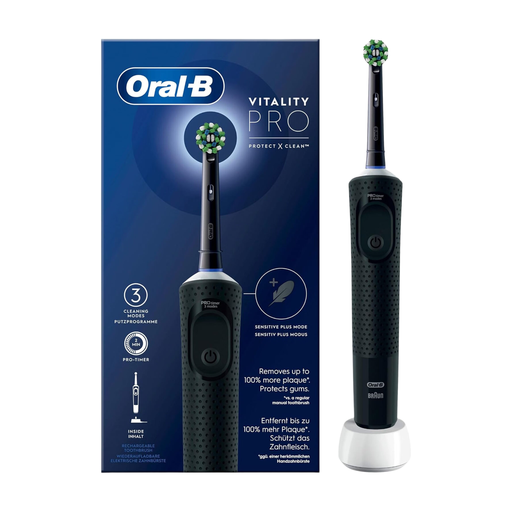
Why This Fits Their Persona: This model focuses on the core functions of an electric toothbrush. It's a solid choice for anyone switching from a manual toothbrush and looking for reliable cleaning performance without a high initial cost.
It deliberately forgoes expensive 'smart' extras, instead offering proven technology at an accessible price.
Features 3 cleaning modes (Daily Clean, Sensitive, Sensitive Plus) and the essential 2-minute timer.
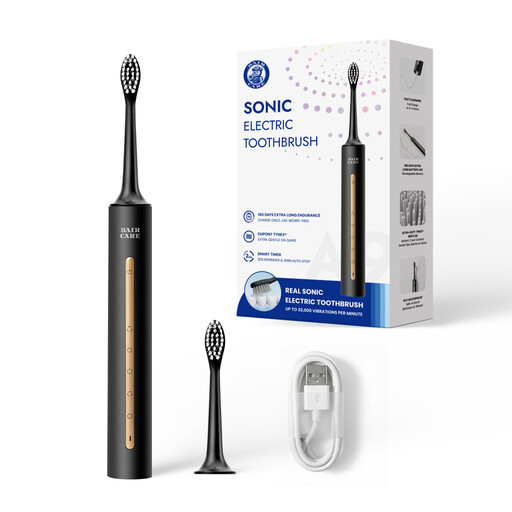
Why This Fits Their Persona: Ideal for people who are often on the go, whether for business or pleasure, and don't want to deal with constantly charging their toothbrush. The extremely long battery life offers maximum independence.
This model avoids the trap of misleading battery claims with a specifically stated runtime of up to 180 days.
Exceptional battery life, 5 cleaning modes with 3 intensity levels, and IPX7 water resistance.
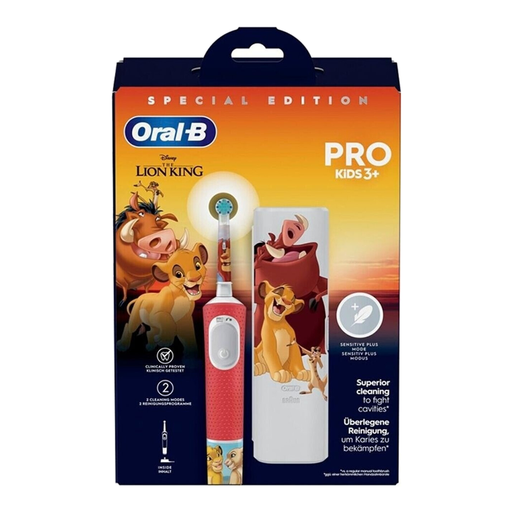
Why This Fits Their Persona: Specially designed for children aged 3 and up to make brushing a positive experience. The design and child-friendly features boost motivation and help establish healthy habits.
Instead of using an unsuitable adult toothbrush, this model offers a solution tailored to the needs of children.
Extra-soft bristles, a small brush head for children's mouths, 2 brushing modes (incl. Sensitive+), and customisable stickers.
We have compiled a complete, up-to-date list of products that fully meet these strict selection criteria and safety regulations.
1. How often should you change the brush head of an electric toothbrush? Most manufacturers and dentists recommend changing the brush head every three months. A regular change is important because worn-out bristles significantly reduce cleaning performance and can accumulate bacteria. Some brush heads feature indicator bristles that change colour over time to show the optimal time for a replacement.
2. Can you use an electric toothbrush with sensitive gums? Yes, many electric toothbrushes are well-suited for sensitive gums. Look for models with a special "Sensitive" mode that operates at a reduced intensity. A toothbrush with pressure control is particularly beneficial here, as it prevents you from applying too much pressure, a common cause of gum irritation. Using brush heads with soft bristles is also recommended.
3. What is the difference between a sonic toothbrush and an oscillating-rotating toothbrush? The main difference lies in the movement of the brush head. A sonic toothbrush has an elongated head, similar in appearance to a manual toothbrush, that vibrates at a high frequency. An oscillating-rotating toothbrush, like most models in the Oral-B electric toothbrush range, has a small, round head that rotates back and forth rapidly. The choice between the two technologies is often a matter of personal preference regarding the brushing sensation.