What should you look for when buying?
First decide which voice or voices you need to record. Then check that the microphone position and connections work with your existing recording equipment.
| Priority |
What to check before buying |
Who is it important to? |
| Narrator’s voice with fan noise |
Check the polar pattern and whether the microphone arm can be adjusted; listen to an unprocessed test recording with the fan running. |
If I mainly want to record the narrator clearly, I focus on the microphone’s direction and position. Around 36 % of consumers put this first. |
| Connecting to existing equipment |
Check the microphone input, headphone output, cables included and, if applicable, power requirements. |
If I want to keep using my existing computer or recorder, the complete recording and monitoring setup needs to work. Around 29 % of consumers prioritise compatibility with their existing equipment. |
| Recording the story and questions |
Decide whether you need to record both voices; plan suitable microphone inputs and a test recording. |
If the questions need to be part of the recording, I also need a suitable recording channel for the interviewer. Around 21 % of consumers prioritise capturing both sides of the conversation. |
| Fit and maintenance |
Check the fit and whether the microphone arm can be adjusted; check what’s included and whether cables and cushions can be replaced. |
If I conduct longer interviews or use the headset regularly, comfort and the availability of replacement parts matter to me. Around 14 % of consumers prioritise comfort and maintenance. |
Related products at Joybuy
These products offer a range of headset and computer connections. For an oral history interview, test how well the narrator’s voice is recorded with the fan running. A headset for one person doesn’t provide a separate recording channel for a second voice.
 No image available
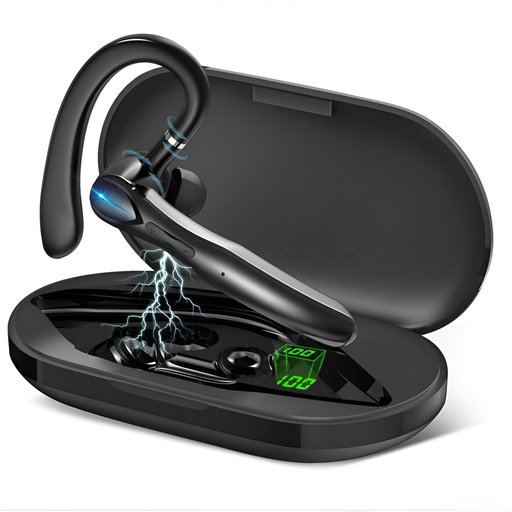
Bluetooth mono headset with two microphones and charging case
A first option to try if one person needs to speak hands-free; test the voice recording with the fan running in the intended location.
Bluetooth; mono design; two microphones; charging case.
View at Joybuy
 No image available
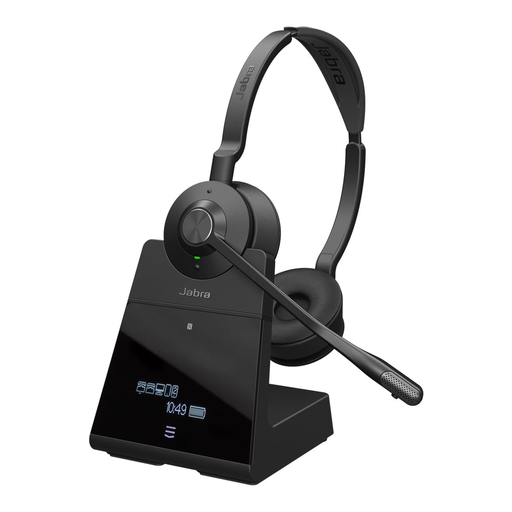
Jabra Engage 75 SE Wireless Stereo
For a recording test via a computer, provided the connection through the base station suits your equipment; pay particular attention to the narrator’s voice with the fan running.
DECT connection; USB-C to USB-A cable according to the product description; on-ear stereo headset.
A single headset does not provide a separate recording channel for the second voice.
View at Joybuy
 No image available
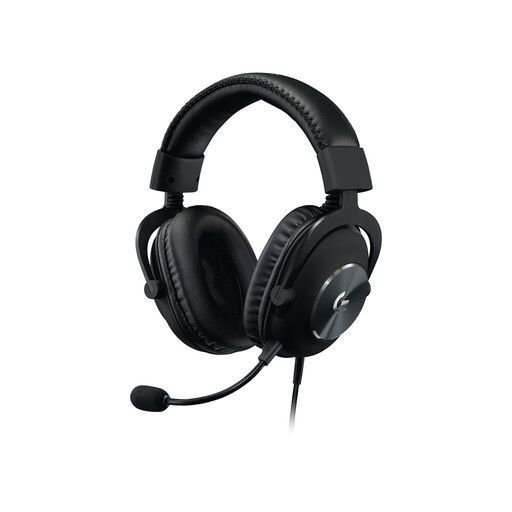
Logitech G PRO X Gaming Headset
For a PC recording test with a microphone that can be positioned close to the mouth; listen to a test recording with the fan running before using it for an interview.
Unidirectional cardioid microphone according to the product description; USB sound card; over-ear design; replaceable ear cushions.
A single headset does not provide a separate recording channel for the second voice.
View at Joybuy
 No image available
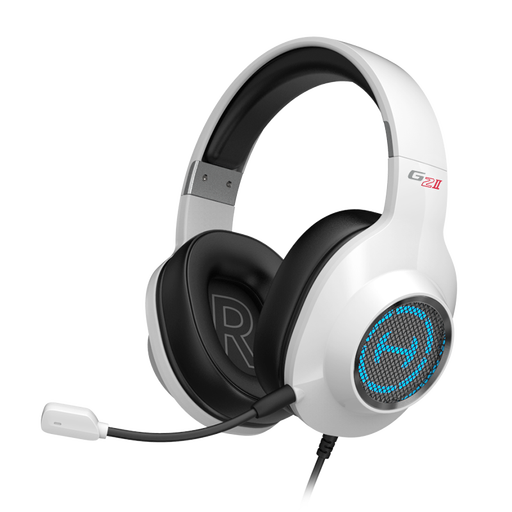
EDIFIER G2II Gaming Headset
For a wired recording test on a PC; check how the microphone picks up sound with the fan running before the interview.
USB connection; flexible microphone according to the product description; described as suitable for PC and PS4.
A single headset does not provide a separate recording channel for the second voice.
View at Joybuy
 No image available
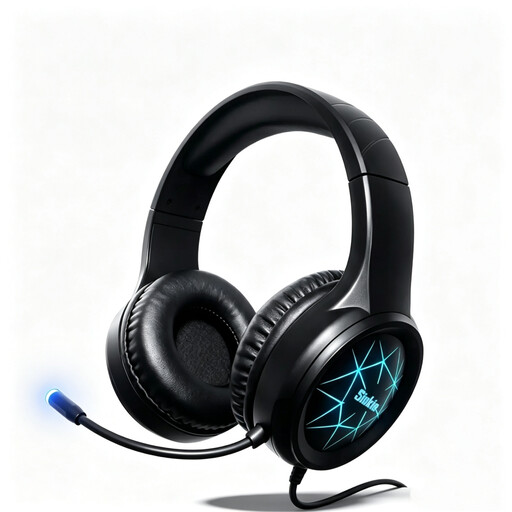
Siukie CH25 Gaming Headset
For a wired single-voice recording test, if one of the listed connections is compatible with your recording equipment.
USB and 3.5 mm connections; over-ear design; adjustable headband according to the product description.
A single headset does not provide a separate recording channel for the second voice.
View at Joybuy
Frequently asked questions
Can I simply record a private oral history interview?
No, not without authorisation: § 201 StGB covers the unauthorised recording of another person’s non-public speech. Before the interview, clarify and document your authority to record. For the processing of personal data, the German Data Protection Conference explains the requirements for freely given, informed consent. Obtain separate consent for any later publication too.
Should the interview take place in a railway track area?
The occasion alone doesn’t make recording in a railway track area necessary. If you’re planning to use such a location, check the local and operational safety requirements. The German Social Accident Insurance (DGUV) describes the dangers posed by rail vehicles and the safety measures required in these areas. A general headset recommendation is not safety clearance.
How can I test the microphone with a fan running?
Position the microphone according to the instructions for the specific model, then listen to a short, unprocessed recording of the voices you need to capture with the fan running. The Oral History Association recommends choosing a quiet recording location wherever possible. Audacity describes one way to reduce steady background noise, but notes that this has limitations when the unwanted noise is loud or changes over time.
Which cables or other parts should I check before buying?
Check what’s included with the specific version and make sure the plugs and inputs match your equipment. According to the manufacturers, neither the DT 109 nor the HMD 26 with article number 700318 includes a connection cable. The BPHS1 is described as being supplied with a cable; if you choose a separate head-worn microphone, you may also need your own headphones for monitoring.


