What to look for when buying
First, decide whether you want to record one person’s story as closely as possible, whether both voices need their own microphone position at the same time, or whether freedom of movement matters most. Then check that the microphone and recording device will work together.
| Priority |
What to check before buying |
Who it matters most to |
| Clarity in the room |
Can the microphone be clipped or held close to the person telling the story? Test a recording with the room’s usual background noise; the University of Leicester’s East Midlands Oral History Archive recommends positioning the microphone nearby for oral history recordings. |
If I want to capture the storyteller’s voice clearly despite reverberation and other conversations, microphone position is my main consideration. Around 33 % of consumers prioritise clarity in the storyteller’s voice. |
| Both sides of the conversation |
Do you want to record both people separately at the same time? Check how many microphones, inputs and recording tracks you’ll need. |
If I want the questions and answers to be equally clear, I need suitable microphone positions for both people or a handheld microphone that is deliberately passed between them. Around 27 % of consumers focus on capturing both sides of the conversation. |
| Freedom of movement |
Test the area you plan to move around in and, for wireless sets, check where recordings are saved. RØDE distinguishes between recordings made locally on the Wireless PRO transmitters and the signal recorded on a connected device. |
If I need to move around during the conversation, a setup without an awkward cable run matters to me; charging and file management also need to be planned. Around 20 % of consumers prioritise freedom of movement. |
| Connections and setup |
Compare the microphone input with the connection you need, and check the power supply, monitoring options and any accessories required. RØDE lists a 3.5 mm TRS connection and plug-in power for the Lavalier GO. |
If I want to keep using my existing recording device and accessories, I’ll check the entire signal path rather than just the microphone plug. Around 20 % of consumers prioritise a straightforward setup with compatible connections. |
Joybuy products for close-miked speech
This selection includes lavalier microphones for close-miked speech, as well as wireless options, including sets with two transmitters. For each model, check that the connection and recording device suit your interview setup.
 No image available
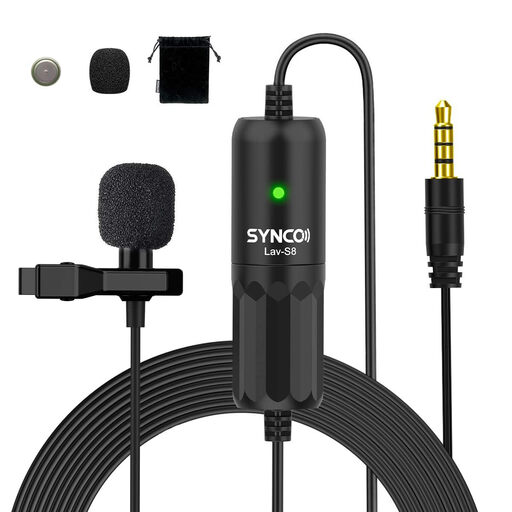
SYNCO S8 lavalier microphone
Clipping the microphone on can keep it close to the person telling the story; make sure it doesn’t rub against their clothing.
The product title lists smartphones, PCs, laptops and cameras as compatible devices.
View at Joybuy
 No image available
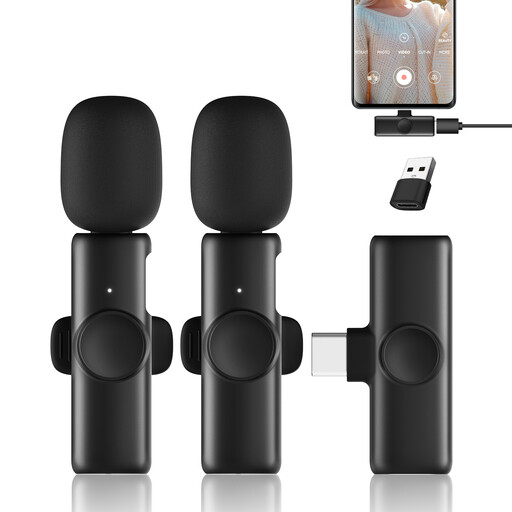
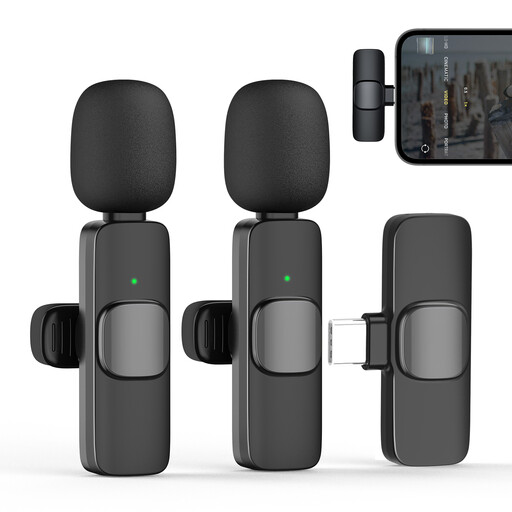
Moman MS1X(C), 2TX&1RX
Two transmitters provide two microphone positions if you want to record both people at the same time.
The product title lists 2.4 GHz and USB-C Android devices. Check compatibility with your recording device before use.
View at Joybuy
 No image available
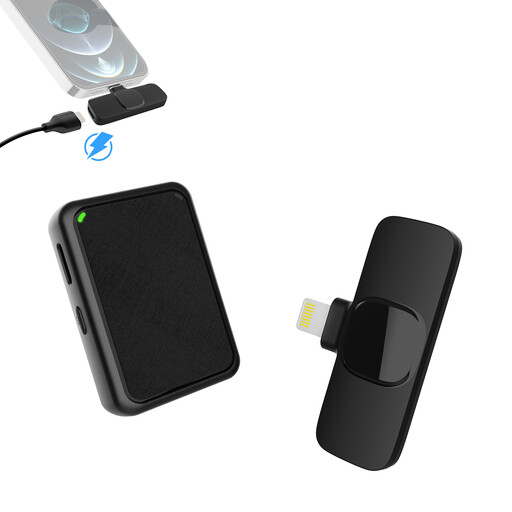
Moman MB1X(A), 2TX&1RX
The two transmitters can be used as separate microphone positions when you want to record both people at the same time.
The product title lists 2.4 GHz and use with an iPhone. Check that the connection is compatible with your specific device.
View at Joybuy
 No image available
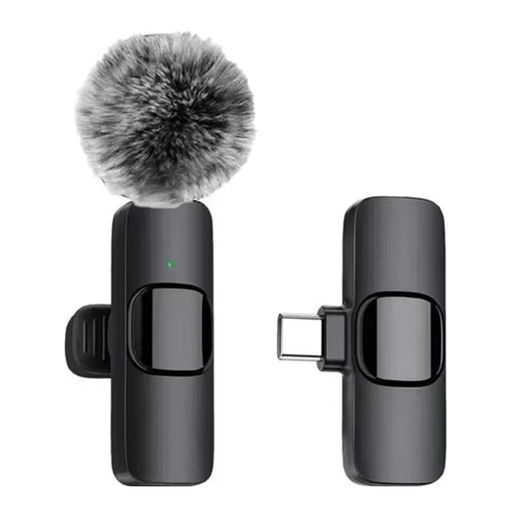
Verbex K9-Black, Type-C
The lavalier design allows you to position the microphone close to the speaker during an interview; check that the Type-C connection is compatible with your recording device.
The product details state a battery life of 3–6 hours. Plan your recording around the length of the interview.
View at Joybuy
 No image available
Moman CP1X(C), 1TX&1RX
Clipping the microphone on can keep it close to one person’s voice if you want to move around during the conversation.
The product title lists Type-C, one transmitter and one receiver. It isn’t described as a two-transmitter set for two separate microphone positions at the same time.
View at Joybuy
Frequently asked questions
Is one microphone in the middle of the table enough?
In a reverberant or busy community hall, positioning the microphone nearby is a sensible starting point. Compare a test recording; the University of Leicester’s East Midlands Oral History Archive recommends using a lavalier microphone for oral history recordings rather than placing it on a table at a distance.
How can I avoid clothing rustle with a lavalier microphone?
Attach the microphone so that clothing doesn’t rub against the capsule, and test your usual sitting position before you begin. Include paper handling and the interviewer’s questions in your test, too.
What should I include in my setup for longer interviews?
Plan for power, storage media, recording settings and backing up your files. For archiving, the Oral History Society recommends uncompressed WAV recordings. Also agree how any required usage permissions will be documented and linked to the recordings.
Can I record and publish an oral history interview without checking first?
Before recording, make sure everyone involved has explicitly agreed to be recorded. § 201 StGB concerns the unauthorised recording of privately spoken words; agreeing to take part in an interview doesn’t automatically mean agreeing to its later publication. Make separate arrangements for the purpose of the recording and how you plan to share it.
Can I use any wireless microphone in Germany without checking first?
No. Check the frequency and wireless version of the specific device against the current general allocation issued by the Federal Network Agency (Bundesnetzagentur). Regulation 37/2026, dated 15 April 2026, sets out conditions for the frequency bands concerned and revokes certain older allocations; the device name alone doesn’t tell you whether every version is covered.


