What should you look for when buying?
The Library of Congress recommends checking the battery, storage and audio settings before the interview. In Germany, you must also establish that you have permission before recording words spoken in a non-public setting (section 201 of the German Criminal Code, Gesetze im Internet, Federal Ministry of Justice).
Compact voice recorder
A better fit if: one person’s story is the main focus and playback or markers are important.
Bear in mind: The listed features don’t prove that a second voice further away will be captured reliably.
Stereo handheld recorder
A better fit if: you want to record both people at the table and edit WAV files later.
Bear in mind: You’ll need to test the position between the speakers; a recording mode can’t compensate for distance or room noise.
| Priority |
What to check before buying |
Who it matters most to |
| Clear storytelling voice |
Recording monitoring and a test recording from the intended seat; check whether you can connect a suitable external microphone. |
If the storyteller is quiet or sitting further away, I want to be able to make out their words clearly when I play back the test recording. Around 36% of consumers put a clear storytelling voice first. |
| Both voices at the table |
Microphone arrangement and positioning options; listen to both voices in the actual seating arrangement. |
If questions and answers are equally important, I want to assess the recording with both people at the table. Around 29% of consumers prioritise being able to hear both voices. |
| Long recording without interruption |
Check the power supply and available storage; test the format you want to use for the planned recording length. |
If a conversation can’t easily be repeated, I want to plan for enough power and storage for the whole session. Around 21% of consumers prioritise uninterrupted recording. |
| Finding and preserving recordings |
Check the format and markers, as well as file transfer and your plans for keeping the recording. |
If I want to edit or archive the story later, I need a practical way to find and preserve the files. Around 14% of consumers prioritise editing and archiving for later. |
Joybuy products for table interviews
This selection features voice recorders for interviews around a shared table and longer recordings. A test recording with both voices is still important to check the setup in your specific space.
 No image available
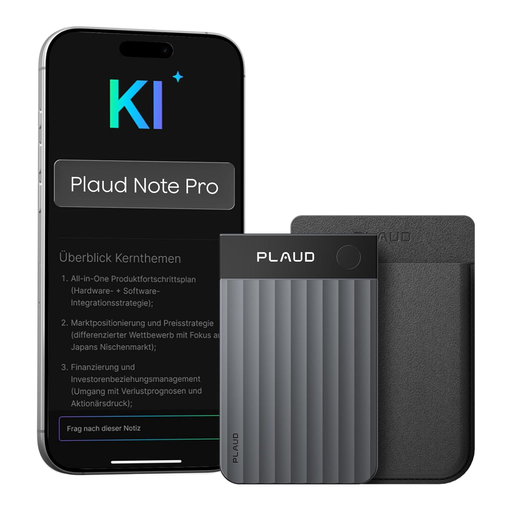
PLAUD Note Pro, 64 GB
If storage and microphone configuration are important when narrowing down your options, check how clear both voices are in a recording made from the intended position at the table.
64 GB storage; 4 MEMS microphones; 30 h battery life according to the product name.
View at Joybuy
 No image available
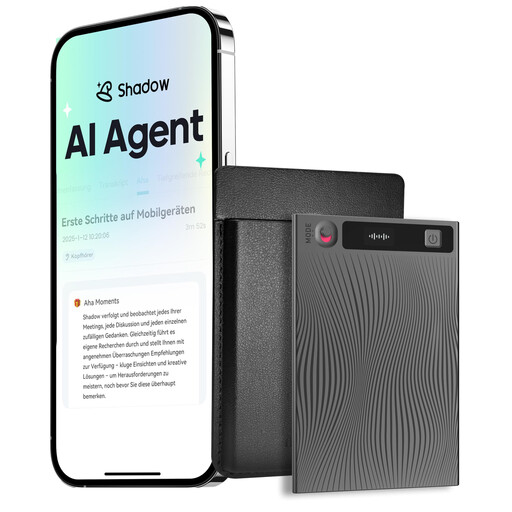
Mobvoi TicNote Standard, 64 GB
For a table interview, play back a test recording of both speakers in their actual seating arrangement and check the storage you’ll need for the planned recording length.
64 GB storage; 3-microphone array; 20H recording time according to the product name.
View at Joybuy
 No image available
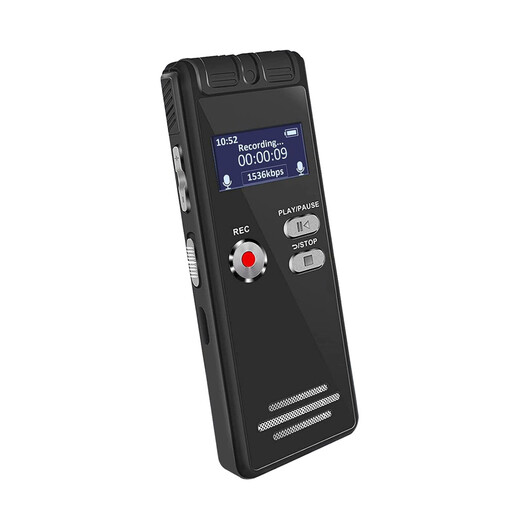
Rexsun L15, 64 GB
If storage capacity is an important factor in your choice, check the planned recording length and test how clearly both voices come through before the interview.
64 GB; LCD screen.
View at Joybuy
 No image available
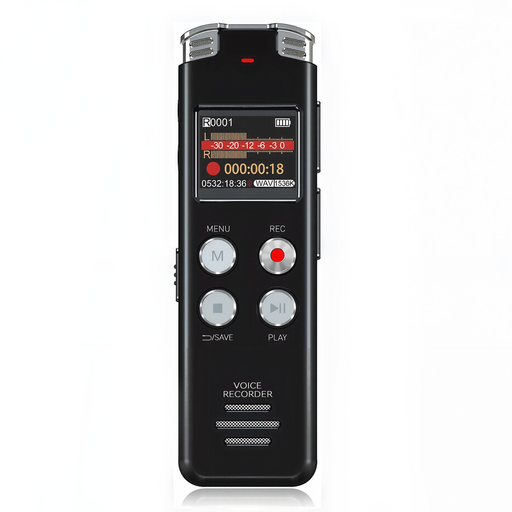
Rexsun L357, 128 GB
If you’re allowing for enough storage for a longer conversation, also check how much recording time is actually available in your chosen format.
128 GB; LCD screen.
View at Joybuy
 No image available
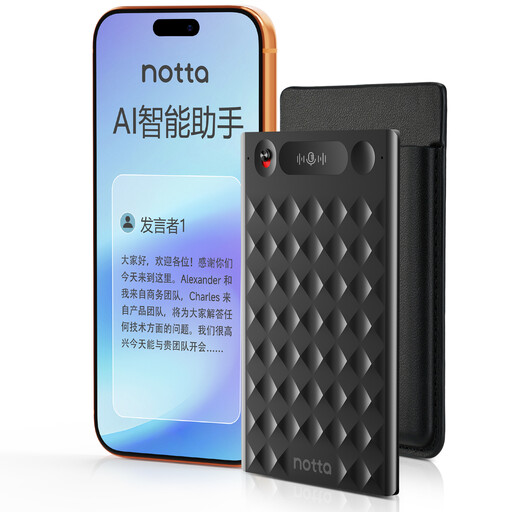
32 GB AI voice recorder with case
For a longer interview, compare the stated storage capacity and battery life with your planned recording, and test both voices beforehand.
32 GB storage; 30 h battery life according to the product name; case.
View at Joybuy
Frequently asked questions
Where should I place the recorder on a shared table?
Test the intended position with both people and play back the recording before the actual interview. Also check the battery level, available storage and audio settings; this won’t tell you that there’s one fixed distance that works for every table.
Is 32-bit float enough to make the story and questions equally clear?
No. Zoom and Tascam list this recording mode for the models mentioned, but it doesn’t make microphone distance or room noise irrelevant. A test recording in the actual seating arrangement is still essential.
What should I check for storage and power during long interviews?
Before you start, check the available storage, power supply and selected recording format. Manufacturers’ maximum figures don’t necessarily apply to every format; the Library of Congress recommends testing the battery, storage and audio settings.
What are my rights if the recorder is faulty?
When you buy from a trader in the EU, you’re generally entitled to a minimum two-year legal guarantee from the date you receive the goods, as explained by Your Europe. If there’s a fault, contact the seller first; an additional manufacturer’s warranty doesn’t replace your statutory rights.
Can I simply record a private oral history interview in Germany and publish it later?
No. You must establish that you have permission to record beforehand: section 201 of the German Criminal Code makes recording another person’s words spoken in a non-public setting without authorisation a criminal offence (Gesetze im Internet, Federal Ministry of Justice). Before recording, discuss and document the purpose and planned use with the storyteller. Processing personal data also requires an appropriate legal basis under Article 6(1) of the GDPR; the Oral History Association recommends agreeing how the recording will be stored and accessed in future, too.


