
Lieferung heute & morgen

Qualitätsgarantie

Willkommens-Angebote freischalten: KOSTENLOSE Lieferung | Bis zu 80 % RABATT | Kostenlose 30-Tage-JoyPlus-Testphase
App herunterladen
Orange drinks come in many varieties, from orangeade and orange juice to orange nectar, orange syrup and orange-flavoured sweets. When shopping online in Germany, however, it is not just the brand name and bottle design that matter. The product type, nutritional values, pack size and intended use are all important.
Orangeade is a carbonated soft drink. It may contain a relatively small proportion of orange juice from concentrate, along with sugar, sweeteners, acidity regulators and flavourings. By contrast, orange juice labelled 100% consists of orange juice, often made from orange juice concentrate. Orange nectar usually contains a specified fruit content, but may also include water and sugar.
If you are expecting a fruity taste, always compare the product description on the front with the ingredients list and fruit content.
In sugar-free orangeades, the sweet taste is often created with sweeteners. This may appeal to shoppers looking to reduce their sugar intake. Even so, check the nutritional information per 100 ml. For example, the supplied nutrition table for Fanta Zero Sugar Orange 6x1.25L lists 3 kcal and 0.3 g of sugar per 100 ml. It also lists sodium cyclamate, acesulfame K and sucralose. According to the ingredients information, the product also contains a source of phenylalanine.
The term “Zero Sugar” should therefore always be checked against the current labelling on the packaging.
Multipacks of drinks can be useful for offices, families or events. A 24-pack of 330-ml cans is suited to different needs than six 1.25-litre bottles. Smaller packs can be handed out as individual portions, while larger bottles may require less packaging per litre for shared meals. You should also consider storage space, weight, single-use or returnable packaging, and any applicable deposit.
Before buying, be clear about which type of drink you need:
An orange syrup such as SodaStream Syrup Orange 440 ml contains, among other ingredients, orange juice concentrate, sugar and sweeteners according to the product information. The dosage depends on the preparation instructions for the product. If you need a ready-to-serve drink for a party, choose bottles or cans instead.
Always compare nutritional values per 100 ml rather than looking only at the figures for the whole bottle. The supplied product data for classic Fanta Orange lists 7.6 g of sugar and 32 kcal per 100 ml. Paulaner Orange Limonade is listed as containing 10.7 g of sugar and 43 kcal per 100 ml. Values may vary depending on the recipe, pack size and market version.
The naturally occurring sugar content is also relevant for orange juice. Jeden Tag Orange Juice 100% 6x1L is described as containing around 9.4 g of sugar per 100 ml. This is not the same as a sugar-free orangeade, even if no additional sugar has been added.
Before buying, check the following:
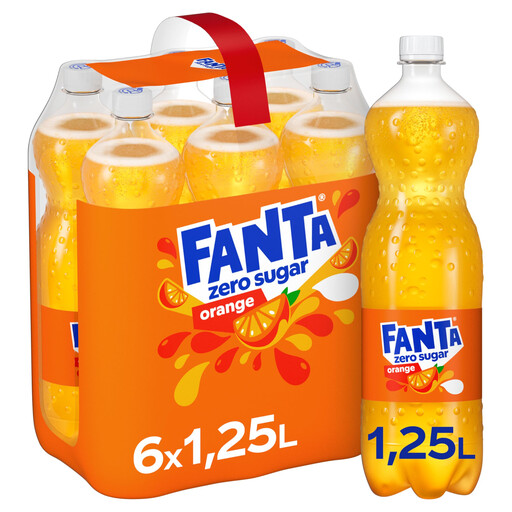
Why this product suits this profile: This six-pack contains 7.5 litres in total, making it suitable for households that want to keep a larger quantity of orangeade at home.
The pack size and nutritional values per 100 ml are clearly stated. You can check the sugar and sweetener content before buying.
6 × 1.25-litre PET bottles; according to the product data, 3 kcal and 0.3 g of sugar per 100 ml.
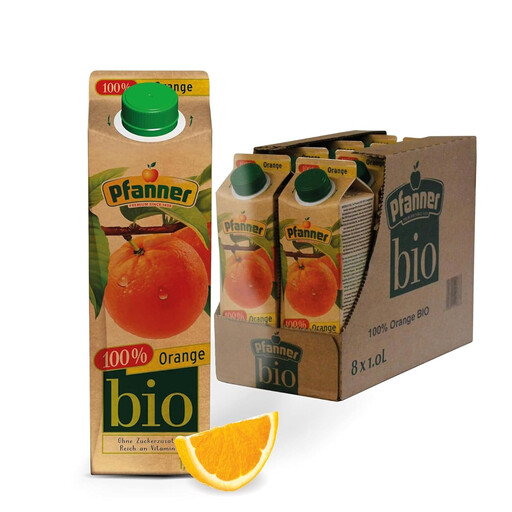
Why this product suits this profile: The declared fruit content of 100% and the organic certification appeal to shoppers who place greater importance on ingredients and provenance.
The product type is not indicated by the design alone: the product information explicitly states “100% orange juice from orange juice concentrate”.
8 × 1 litre; according to the product data, 43 kcal and 9 g of sugar per 100 ml; no added sugar.
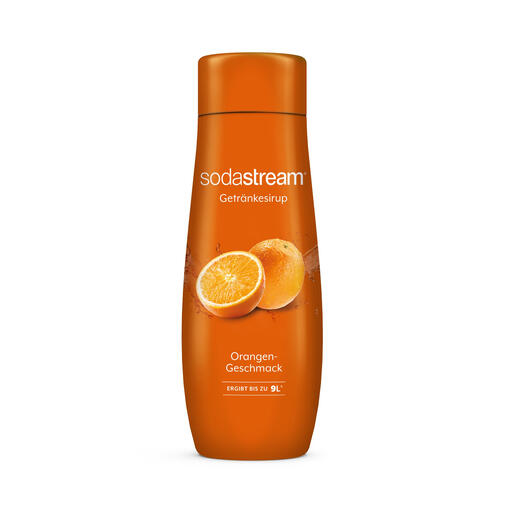
Why this product suits this profile: For households or offices with a sparkling water maker, syrup is a space-saving way to prepare drinks as needed.
The bottle is not mistaken for ready-to-drink orange juice. It is only a suitable purchase if diluting and measuring syrup fit into your daily routine.
440-ml concentrate; according to the product information, with 50% orange juice concentrate based on the reconstituted juice.
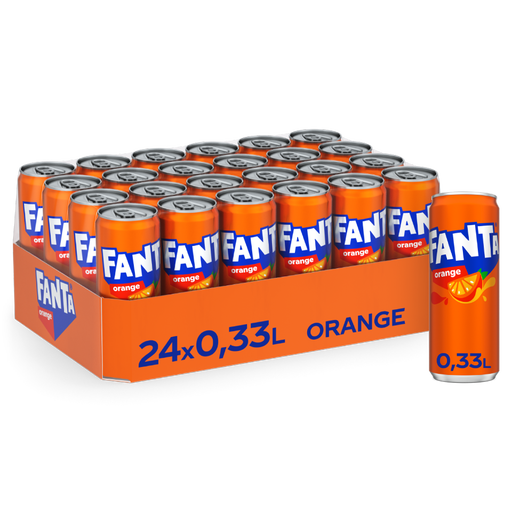
Why this product suits this profile: The 24 cans, each containing 330 ml, can be handed out individually and chilled in preparation for parties, barbecues or use in the office.
Individual portions prevent an opened large bottle from sitting around for too long. Before ordering, make sure you have considered storage space and can disposal.
24 × 330 ml; according to the product data, caffeine-free and containing 7.6 g of sugar per 100 ml.
We have put together a complete, regularly updated list of products that fully meet these strict selection criteria and the safety regulations applicable in the EU.
Orange juice with 100% fruit content consists of orange juice, often made from concentrate. Orange nectar contains a stated fruit content, such as 50%, as well as water and, depending on the recipe, sugar or other ingredients. The exact composition is shown on the label.
This depends on the product type and packaging. Many juices and soft drinks should be refrigerated after opening and consumed within around three to four days. Always follow the manufacturer’s instructions on the packaging. Syrup should be sealed and stored in a dry place in accordance with the storage instructions.
For serving several people, 1- to 2-litre bottles are often practical. Cans or small bottles are better suited to individual portions and events. When buying drinks online, compare the total volume, number of units, storage space, deposit and expected consumption together.