
当日/次日达

品质保障

开启新人专享福利: 全场免邮 | 低至 2 折 | 免费试用 30 天 JoyPlus 会员
下载 Joybuy
Orange juice is a breakfast table classic and a popular thirst-quencher. But the selection on supermarket shelves or for online purchase can be overwhelming. Terms like "not from concentrate," "nectar," or "from concentrate" often create more confusion than clarity. If you're not careful, you might buy a product that doesn't meet your expectations for quality and taste.
This guide will help you understand the key differences and avoid the most common purchasing pitfalls. This way, you can be sure to find the exact orange juice that fits your needs—whether for daily enjoyment, stocking up for the family, or as a convenient refreshment on the go.
Before we dive into the details, let's clear up the most widespread misconceptions that often lead to the wrong product choice.
To find the right orange juice, you should check three central features. These provide insight into taste, quality, and intended use.
The most important distinction lies in the production method, which must be declared on the packaging.
Oranges naturally contain fruit acid, which provides their typically refreshing taste. However, some people are sensitive to acidity. For them, a low-acid orange juice is a great alternative. Manufacturers use naturally lower-acid orange varieties, resulting in a smoother and gentler taste experience without losing fruitiness. This is an option worth considering, especially for families with children or individuals with a sensitive stomach.
The choice of the right packaging depends on your consumption habits and lifestyle.
Here are some recommendations tailored to different needs and preferences.
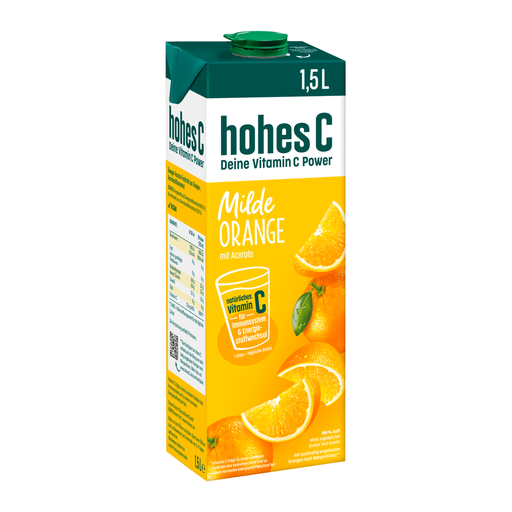
Why This Fits Their Persona: Ideal for families looking for a high-quality juice for daily use. The mild taste is popular with both children and adults, and the large bulk pack ensures there's always enough juice in the house.
This is 100% fruit juice from concentrate, not a nectar with added sugar. The "Mild Orange" designation clearly indicates its low-acid character.
Large orange juice bulk pack (12 litres) with great value for money. The low-acid orange juice is particularly easy on the stomach.
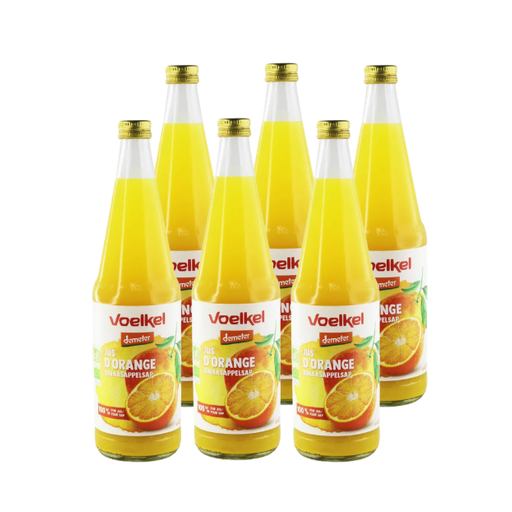
Why This Fits Their Persona: Perfect for quality-conscious consumers who value organic farming and the most natural processing possible. The taste is intense and authentic.
This product bypasses the concentrate misconception as it is 100% not-from-concentrate juice. The Bio and Demeter certifications stand for transparent sourcing and processing.
Pure organic orange juice of Demeter quality. As a not-from-concentrate juice, it offers a full-bodied, fresh taste without the detour through a concentrate.
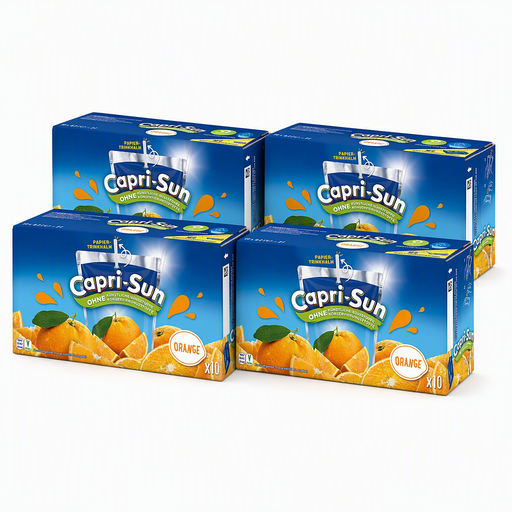
Why This Fits Their Persona: The classic choice for the lunch box or sports club. The hassle-free drink pouches are durable, easy to transport, and very popular with kids. The 40-pouch bulk pack is especially convenient.
This product is clearly declared as a "fruit drink" with 10% fruit content. There is no risk of confusion with 100% juice, so expectations are set correctly from the start.
Extremely practical single-serve orange pouches in a large format. Ideal for quick and easy refreshment on the go, without resorting to artificial colours or preservatives.
We've compiled a complete, up-to-date list of products that fully meet these strict selection criteria and UK & EU regulations.
1. What is the exact difference between not-from-concentrate juice and juice from concentrate? A not-from-concentrate juice is pasteurised and bottled directly after the fruit is pressed. Its taste can vary slightly depending on the harvest. For juice from fruit juice concentrate, water is removed from the juice in its country of origin to save on transport volume. At its destination, the exact amount of drinking water that was previously removed is added back. Aromas lost during the concentration process may also be added back.
2. How long does orange juice last after opening? Opened orange juice should always be stored in the refrigerator. Most manufacturers recommend consuming the juice within 3 to 4 days. Pay attention to the specific instructions on the packaging, as shelf life can vary depending on the product and pasteurisation method.
3. Is low-acid orange juice a healthier choice? "Low-acid" primarily refers to taste and digestibility. Orange varieties that are naturally lower in fruit acid are used for its production. This makes the juice easier on the stomach but has no direct impact on its nutritional value, such as vitamin or sugar content, compared to classic orange juice.