
Lieferung heute & morgen

Qualitätsgarantie

Willkommens-Angebote freischalten: KOSTENLOSE Lieferung | Bis zu 80 % RABATT | Kostenlose 30-Tage-JoyPlus-Testphase
App herunterladen
Anyone looking to buy orangeade online will find a wide selection of bottles, cans, multipacks and international varieties. However, classic Fanta Orange, sugar-free orangeade, Italian recipes and cola-orange drinks differ in more than just brand and packaging. Sugar content, fruit content, pack size and storage requirements can also determine whether an offer suits your needs.
A multipack is not automatically the right choice. For example, 24 cans of 330 ml each contain 7.92 litres, while six 1.25-litre PET bottles contain 7.5 litres in total. Smaller units may be more practical for a household with limited storage space. For parties or regular use, larger packs are often easier to plan for.
So don’t just compare the pack price. Check the price per litre and the actual total volume.
The terms orange and fruity initially describe the flavour. The exact proportion of orange juice may vary from one product to another. When choosing, check the ingredients list and nutrition table. Sanpellegrino Aranciata Rossa, for example, contains 10% orange juice and 5% blood orange juice, while other products contain a lower proportion of juice.
Italian or Turkish orangeade may also taste different from a classic German recipe. Origin and brand name are therefore no substitute for checking the product information.
Sugar-free orangeade generally contains sweeteners instead of sugar. This can significantly reduce the energy content, but it often changes the flavour profile. Fanta Zero Sugar Orange lists, among others, sodium cyclamate, acesulfame K and sucralose. The product description also states that it is a source of phenylalanine.
If you want to avoid sugar or certain sweeteners, read the ingredients list for each individual variety. You cannot determine personal tolerability or dietary suitability from the product name alone.
Nutritional values are usually stated per 100 ml. This makes it easier to compare different pack sizes. According to the product information, classic Fanta Orange 6x1.25 l contains 7.6 g of sugar and 32 kcal per 100 ml. Fanta Zero Sugar Orange 6x1.25 l is listed as containing 0.3 g of sugar and 3 kcal per 100 ml. According to the stated information, Mezzo Mix Zero Sugar contains 0.2 g of sugar and 1 kcal per 100 ml.
Remember to consider the actual serving size: a 330-ml can contains more than three times the amount stated for a 100-ml comparison serving.
Cans of 330 ml are ideal for individual servings, offices, picnics and events. Bottles of 0.5 to 1.25 litres can be more practical for households. 2-litre bottles offer a large volume, but should be refrigerated after opening and consumed promptly to preserve the carbonation and flavour.
Glass bottles, such as those used for Paulaner Limo Orange or Sanpellegrino, are well suited to meals and dining occasions. However, they are heavier and more fragile than PET bottles or cans. When transporting them, remember to account for the weight of the complete orangeade multipack.
A cola-orange drink such as Mezzo Mix or Paulaner Spezi Zero also contains caffeine. If you are looking for a caffeine-free orange soft drink, make sure you check this information carefully. Fanta Orange is described as caffeine-free in the product data provided.
There are also organic orangeades and organic soft drinks for those with particular preferences. Bionade Naturtrübe Orange is marketed as being made with ingredients from certified organic farming and contains, among other ingredients, orange and lemon juice from concentrate. The current packaging should always be used as the definitive source for allergens, gluten information and the exact organic certification.
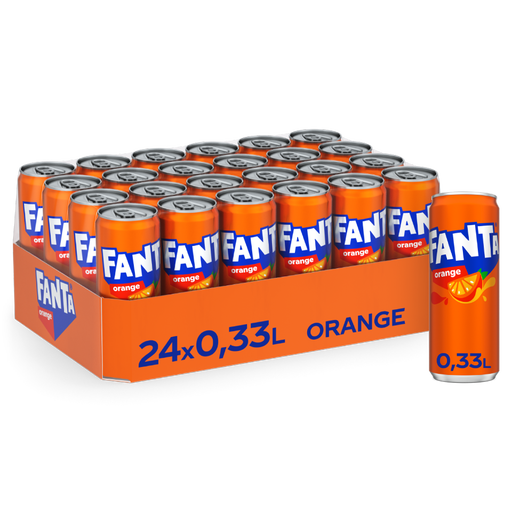
Why this product suits this profile: The pack of 24 330-ml cans provides clearly portioned servings for families, barbecues or office supplies.
The total volume of 7.92 litres and the individual serving size are clear at a glance. This makes it easy to compare the price per litre transparently with bottled packs.
330-ml cans, caffeine-free according to the product information, with 7.6 g of sugar per 100 ml.
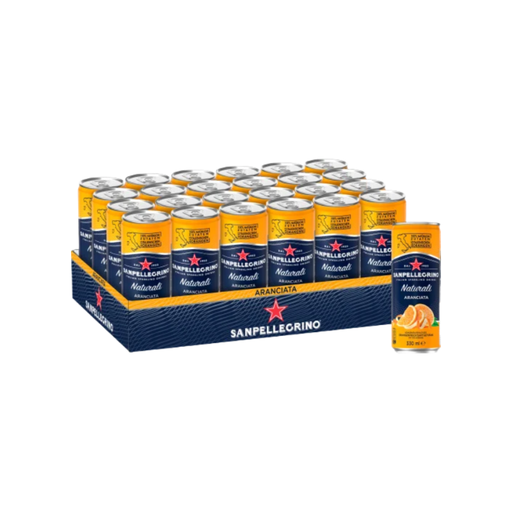
Why this product suits this profile: This Italian orangeade comes in 330-ml glass bottles and can be served with meals or at a celebration.
The product information lists the ingredients, origin, fruit content and total volume. This allows the advertised Italian recipe to be assessed using specific information.
24 glass bottles of 330 ml each, 4 g of sugar per 100 ml and natural flavourings according to the product description.
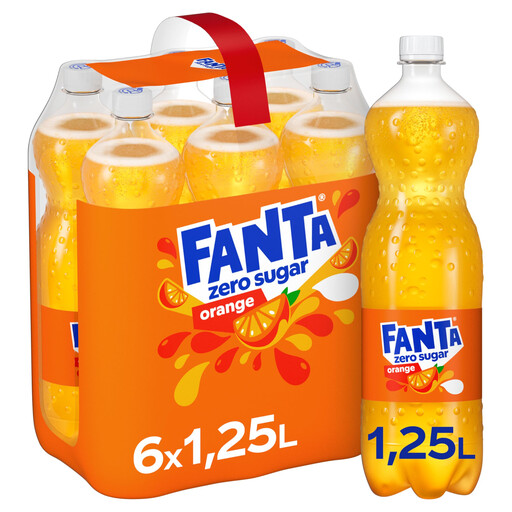
Why this product suits this profile: With 7.5 litres in total, this pack of six is aimed at households or offices looking for a reduced-sugar option in larger bottles.
The energy, sugar and sweetener information is clearly stated. The phenylalanine warning makes it easier to check the ingredients before buying.
3 kcal and 0.3 g of sugar per 100 ml according to the product data; PET bottles of 1.25 litres.
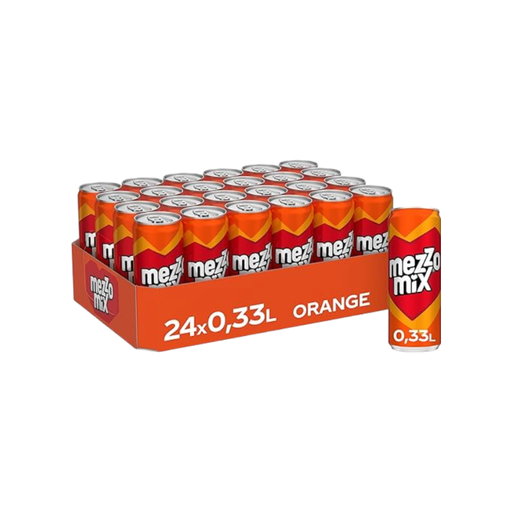
Why this product suits this profile: This cola-orange drink combines the desired citrus note with cola and offers 24 individual cans for parties, meals or stocking up.
The product page explicitly states that it contains caffeine, 1.5% orange juice from concentrate and 7.9 g of sugar per 100 ml. This makes the recipe easy to understand.
24 cans of 330 ml, a caffeinated cola-orange recipe and a total volume of 7.92 litres.
We have put together a complete, regularly updated list of products that fully meet these strict selection criteria and the safety regulations applicable in the EU.
For everyday use, 0.5- to 1.25-litre bottles are easy to fit in the fridge. For family celebrations or barbecues, packs of 24 330-ml cans or glass bottles provide a predictable quantity per guest. If you want to serve drinks with a meal, consider glass bottles and international varieties such as Sanpellegrino or Uludağ Gazoz.
When ordering soft drinks online, you should also pay attention to the following:
That depends on the recipe in question. Fanta Zero Sugar Orange is listed as containing 0.3 g of sugar per 100 ml, while Mezzo Mix Zero Sugar contains 0.2 g. Classic varieties contain considerably more. Always compare the nutrition table for the specific pack.
330-ml cans and small glass bottles provide individual portions, while 1.25- or 2-litre bottles require less packaging per litre. For events with many guests, individual portions are often easier to hand out. For household use, larger bottles can be more economical and space-efficient.
After opening, the orangeade should be refrigerated and consumed according to the information on the packaging. Several products recommend using them within a few days. The carbonation and flavour will fade over time; the best-before date generally applies to unopened packaging.