Comparing recordings in a quiet room
If you like to compare different orchestral interpretations and replay passages before bed, accurate playback and a listening environment with minimal distractions are important.


For comparing orchestral recordings in a quiet room, open-back wired headphones are a natural starting point, as long as sound leakage won’t disturb anyone. In a shared or noisy room, closed-back models may be a better fit, with ANC if needed. If you listen lying on your side, comfort and pressure against the pillow matter more than large ear cups. Compare the same passage at a moderate volume, and check the connection and fit in your usual listening position.
If you like to compare different orchestral interpretations and replay passages before bed, accurate playback and a listening environment with minimal distractions are important.
If someone else in the room is asleep or needs quiet, consider whether open-back headphones might leak sound, and try closed-back models in the kind of setting where you usually listen.
If you keep listening in bed, think about how the earbuds and pillow fit together, and whether playback in your chosen mode will last as long as you need.
First, decide whether your main priority is comparing differences in sound, avoiding disturbing others in the room or listening while lying on your side.
| Priority | What to check when buying | Who it matters most to |
|---|---|---|
| Comparing recordings | Listen to the same passage at a similar, moderate volume; consider the design, cable connection and fit. | If I want to assess instrumental entries and differences between recordings, a reliable comparison matters more than claims about sound quality. Around 36 % of consumers put comparing orchestral recordings first. |
| Avoiding disturbing others | At your usual listening volume, check how much sound leaks out; compare the fit of closed-back ear cups. | If someone sharing my bedroom expects peace and quiet, I want to minimise sound leakage. Around 29 % of consumers prioritise consideration for others. |
| Comfort when lying on your side | Try different ear tip sizes and check how they feel against the pillow; check battery life in the playback mode you actually use. | If I want to listen while lying on my side, the earbuds mustn’t press uncomfortably against the pillow. Around 21 % of consumers put side-sleeping comfort first. |
| Room noise | Check the seal and, if applicable, ANC in your own surroundings; consider whether you need an ambient sound mode. | If noise in the room masks quiet orchestral passages, I want to hear them without turning the volume up unnecessarily. Around 14 % of consumers see background noise as their main concern. |
Open-back headphones don’t block out room noise, and other people may be able to hear your music.
Before prioritising sound, consider whether anyone else in the room might be disturbed. If needed, compare them with closed-back wired headphones too.
For the Sleep A30, the manufacturer’s battery-life figures vary depending on playback and ANC mode. Automatically switching modes when sleep is detected isn’t the same as continuous Bluetooth audio.
Check the battery life for the exact combination of Bluetooth, ANC and playback you plan to use.
ANC doesn’t prove that playback is neutral. The World Health Organization notes that volume, listening duration and how often you’re exposed to loud sound all matter for your hearing.
Compare at a moderate volume, and first check the fit and level of isolation if room noise is a problem.
The HD 560S and HD 620S represent open-back and closed-back wired over-ear designs respectively.
The DT 900 PRO X is an open-back wired studio model designed for quiet listening environments.
The ATH-R70x is an open-back wired reference headphone.
The WH-1000XM6 is a closed-back over-ear model with ANC, an ambient sound mode, Bluetooth and passive wired listening.
The Sleep A30 are compact Bluetooth earbuds that Anker offers for listening in bed.
The selection below includes wired in-ear headphones, closed-back and wireless over-ear models, and ANC headphones. Choose a design, connection and fit that work for your listening position.
 No image available
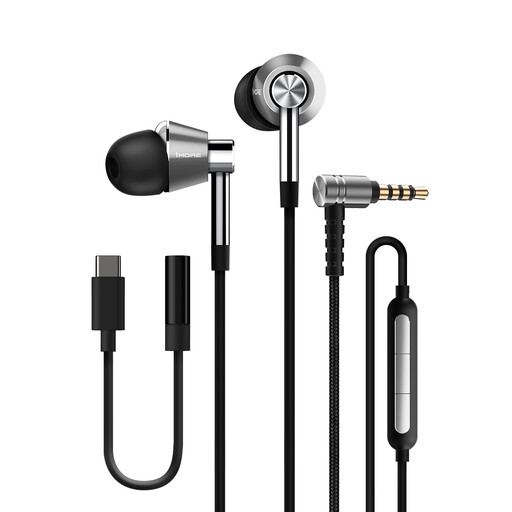
As a wired in-ear model, these headphones could be a compact option if you can find a comfortable fit for listening in bed.
Wired in-ear design; silver colour.
 No image available
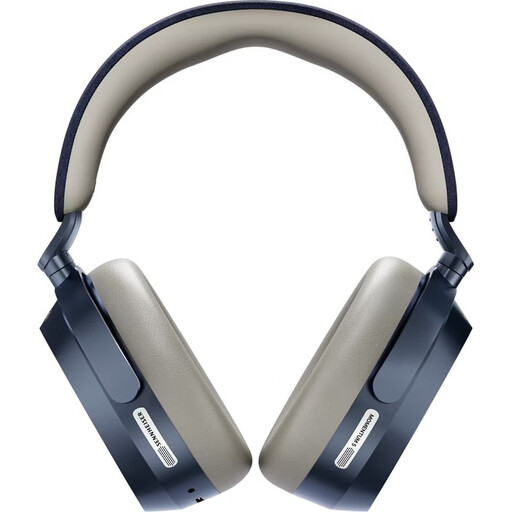
The over-ear design may suit you if you listen sitting upright; check for pressure against the pillow before using them while lying on your side.
Bluetooth 5.4, ANC and a stated maximum battery life of up to 57 hours.
 No image available
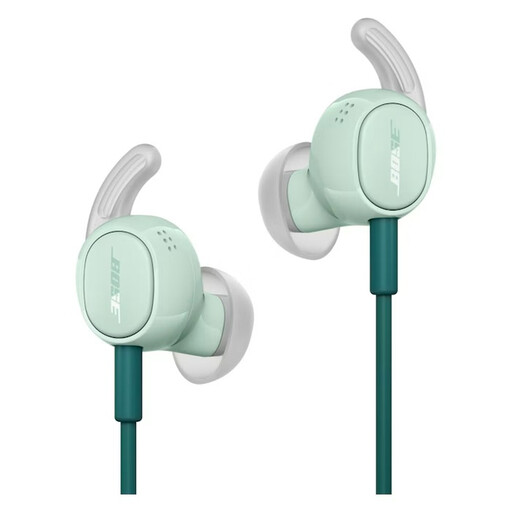
The wired in-ear design may suit you if you’d like to try compact earbuds instead of large ear cups.
A compatible USB-C audio device is required for connection.
 No image available
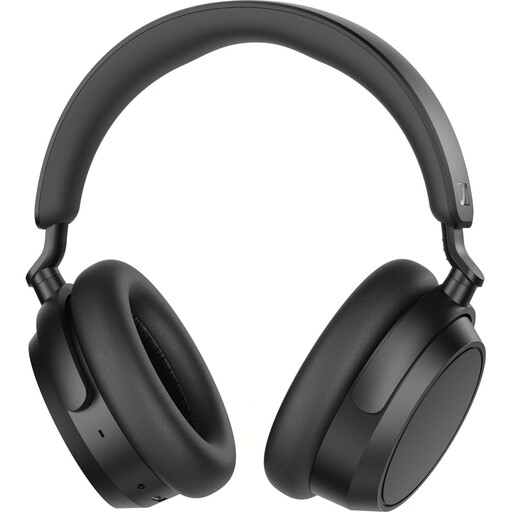
If you want to try closed-back over-ear headphones with ANC to deal with room noise, this model offers that combination according to its product specifications.
Bluetooth 5.2 with aptX; detachable cable; stated battery life of up to 50 hours.
 No image available
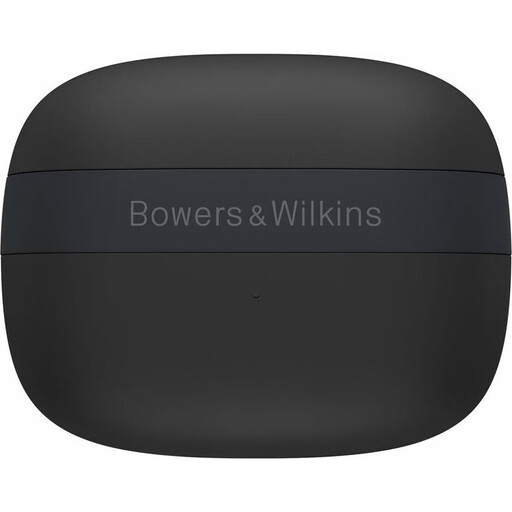
The wireless in-ear design could be an alternative if you can find a comfortable fit for listening in bed.
Bluetooth 5.4, ANC and 12 mm drivers; stated battery life of up to 8 hours.
Check the device’s audio output, the plug and whether you need an adapter. The DT 900 PRO X is described as having a 3.5 mm plug and a 6.35 mm adapter; Sony specifies a stereo mini jack and passive wired listening for the WH-1000XM6. An impedance figure alone won’t tell you whether your device can reach your preferred volume.
Check in the app what happens to playback when sleep is detected, and try different ear tip sizes. Anker states a laboratory battery life of 7 hours for continuous Bluetooth audio with ANC at 50 % volume; battery life with an automatic mode change is based on different conditions of use.
Keep the volume moderate and consider how long you listen for. The World Health Organization identifies volume, listening duration and how often you’re exposed to loud sound as factors that affect your hearing. If background noise is a problem, well-fitting noise-reducing headphones may help you avoid turning the volume up.
For a qualifying online distance purchase by a consumer, the withdrawal period is generally 14 days from delivery; statutory exceptions apply. Section 312g of the German Civil Code (BGB) includes certain sealed goods that are not suitable for return for health protection or hygiene reasons if the seal has been removed after delivery. When buying from a trader, you also have a statutory guarantee of at least two years, which is separate from any voluntary warranty.
Electrical and electronic waste must not go in household rubbish. Removable batteries should be taken to the designated collection points; Germany’s Federal Ministry for the Environment explains how to dispose of electrical and electronic waste correctly.