For comparing orchestral recordings, a well-fitting wired in-ear headphone with a clearly defined sound profile is a sensible starting point. However, manufacturers’ descriptions such as “flat” or “balanced” are no substitute for listening for yourself. At a busy campsite, the actual seal and a fit that remains comfortable and secure through repeated listening also matter. Wireless ANC in-ear headphones are worth considering if freedom of movement and a switchable ambient mode are more important to you – but they need charging, and you’ll still need to pause playback when you need to pay attention.
Who is this comparison for?
Listeners comparing recordings
You listen to the same orchestral passage several times and want to judge differences in the balance and tone of the instruments. A clearly defined sound profile and a consistent fit matter more than especially powerful bass. F.A.Z. Kaufkompass highlights how much fit can influence the impression of the sound.
Listeners at busy campsites
Background noise can drown out quieter passages. You’re looking for a good seal, while also considering when you’ll need to pay attention to your surroundings again. Manufacturers’ claims about passive noise isolation don’t automatically reflect the level you’ll achieve with your own fit.
Listeners who are often on the move
For longer listening sessions or when moving between locations, comfort and a secure fit matter just as much as how the headphones connect to your playback device. With wireless models, charging is part of the planning too; Cambridge Audio describes a switchable transparency mode on some of its models.
What should you look for when buying?
Wired in-ear headphones with a restrained sound profile
A good fit if: you can compare the same orchestral passages repeatedly and your playback device has a suitable connection. Etymotic describes the ER2SE as having a flat sound profile, while Sennheiser describes the IE 200 as balanced.
Things to consider: the cable and device connection need to be compatible; manufacturers’ descriptions don’t guarantee a particular sound at your ears.
In-ear headphones with stronger passive isolation
A good fit if: conversations or other sounds distract you during quiet passages, and you don’t need to hear important signals while listening. Etymotic and Shure list passive isolation for some models.
Things to consider: the eartips and fit are key; manufacturers’ figures aren’t a personal measurement of noise isolation. Pause playback when you need to listen out for people or warning signals.
Wireless in-ear headphones with ANC and an ambient mode
A good fit if: freedom of movement and a switchable ambient mode are your priorities. Cambridge Audio lists ANC and a transparency mode for the Melomania A100.
Things to consider: the headphones need charging. A transparency mode is no substitute for pausing playback when you need to hear something important clearly.
| Buying priority |
What to check |
Who is this especially important for? |
| Sound balance |
Compare familiar passages at the same moderate volume and keep the fit as consistent as possible. |
If I want to judge differences between recordings and the balance of the instruments, a clearly defined sound profile is my main priority. Around 36% of consumers put sound balance first. |
| Noise isolation |
Try different eartip sizes and check the actual fit; pause when you need to be aware of your surroundings. |
At a busy campsite, I want to hear quieter passages without masking important signals. Around 29% of consumers prioritise noise isolation. |
| Fit and comfort |
Assess the fit during longer listening sessions and check whether the headphones stay securely in place. |
When listening repeatedly, I need a comfortable fit that doesn’t keep changing. Around 21% of consumers prioritise fit for extended use. |
| Connection and power |
Check your device’s socket and whether you’ll need an adapter; with wireless models, factor in charging. |
When I’m out and about, I want to know whether my playback device works with the cable or whether I’ll need to charge the headphones. Around 14% of consumers put portability first. |
Pitfalls to watch out for when comparing
-
Treating manufacturers’ noise-isolation figures as a personal measurement
Claims about passive noise reduction refer to a specific model. The fit and seal you actually achieve may differ; F.A.Z. Kaufkompass also points out that fit affects how the sound is perceived.
Try suitable eartips and assess isolation and comfort in your usual listening environment. Pause playback whenever you need to be aware of your surroundings.
-
Assuming powerful bass or a professional-sounding model name means a more accurate comparison
Etymotic distinguishes between the flatter sound profile of the ER2SE and the more bass-focused ER2XR. RTINGS.com describes the Shure SE215 as having emphasised bass and mids. These characteristics don’t automatically tell you which model will better support your comparison of orchestral recordings.
Listen to familiar passages at the same moderate volume and choose according to what you need from the comparison, rather than a label or the number of drivers.
-
Assuming every detachable cable will fit
Check the connection on both your playback device and your headphones separately. Sennheiser notes that an IE-series replacement cable has a proprietary recess around the MMCX connector.
Before buying, check the exact model variant, both connections and what’s included.
You may need a suitable adapter, depending on your playback device; for a replacement cable, compatibility with the exact headphone model is essential.
Relevant brands and model ranges
Etymotic
The wired ER2SE is an option for listeners who want to compare a sound profile the manufacturer describes as flat, along with passive noise isolation.
- The manufacturer lists a replaceable cable for the ER2SE.
- The sound profile and actual fit need to suit your listening needs; manufacturers’ noise-isolation claims aren’t a personal measurement.
Sennheiser
The wired IE 200 is another option to compare; Sennheiser describes its sound profile as balanced and lists several eartip sizes.
- The IE 200 is listed with a 3.5 mm plug and a replaceable MMCX connection.
- RTINGS.com notes that the IE 200 has no stated IP rating. When choosing a replacement cable, bear in mind the recessed connector documented by Sennheiser.
Shure
The SE215 is a wired in-ear headphone with passive noise isolation, a choice of eartips and a detachable cable.
- Shure lists an MMCX connection for this model.
- RTINGS.com describes the SE215 as having emphasised bass and mids. It may therefore not be the right choice for comparing orchestral balance.
beyerdynamic
beyerdynamic positions the DT 70 IE for mixing and critical listening; that describes its intended use, not the outcome of your recording comparison.
- The model is listed with a 1.4 m cable, an MMCX connection at the headphones and a 3.5 mm plug for the playback device.
- Check that the connection and fit suit your equipment and ears before choosing.
Cambridge Audio
The wireless Melomania A100 is an option for listeners who want to use ANC and a switchable transparency mode.
- Cambridge Audio lists ANC, transparency mode and an adjustable EQ for this model.
- The headphones need power; these features don’t demonstrate particular accuracy when comparing orchestral recordings.
Joybuy products for wireless listening with ANC
The Joybuy products featured here are wireless in-ear headphones with ANC, for listening situations where background noise may be distracting. ANC is no substitute for pausing playback when you need to listen out for people or warning signals.
 No image available
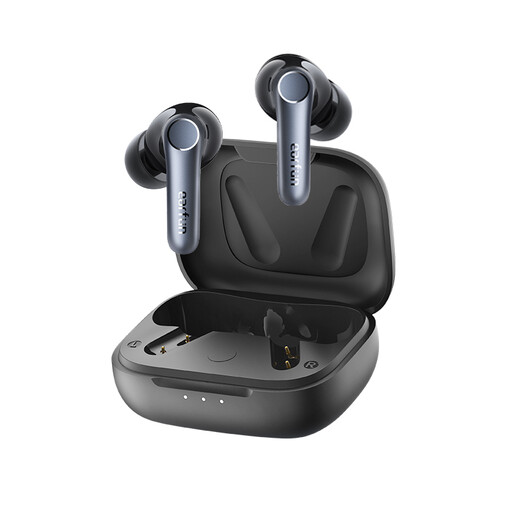
EarFun Air Pro 4
A wireless ANC option if you want to reduce background noise while listening; this doesn’t prove any particular sound balance for orchestral recordings.
Adaptive ANC, Bluetooth 5.4 and LDAC are listed in the product name.
View at Joybuy
 No image available
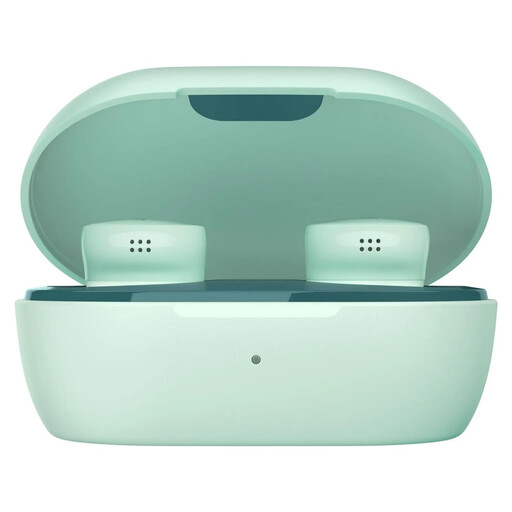
Bose QuietComfort Wireless Noise-Cancelling Earbuds, Dewdrop Mint
A wireless ANC option if you want to adjust noise cancellation to suit changing environments; try the fit for yourself before using them for longer listening sessions.
Bluetooth 5.3 with Multipoint and up to 8.5 hours of battery life are listed in the product name.
View at Joybuy
 No image available
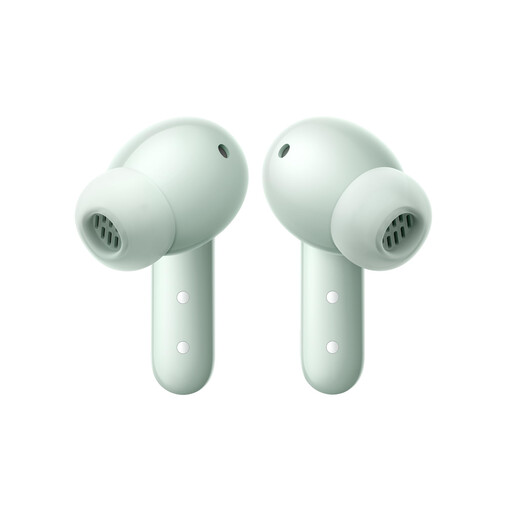
CMF Buds 2, Green
A wireless ANC option for listening situations with distracting background noise; this doesn’t demonstrate any particular suitability for comparing orchestral recordings.
Bluetooth 5.4 and 11 mm drivers are listed in the product name.
View at Joybuy
 No image available
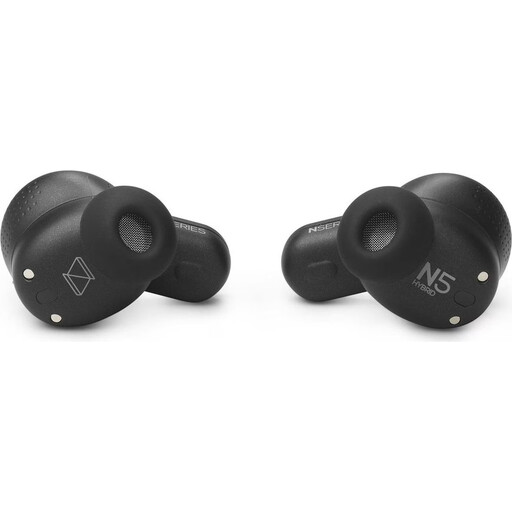
AKG N5 Hybrid True Wireless Earbuds
A wireless ANC option with a USB-C receiver listed in the product name; check that this type of connection works with your playback device.
Bluetooth 5.3 and a 2.4 GHz USB-C dongle are listed in the product name.
View at Joybuy
 No image available
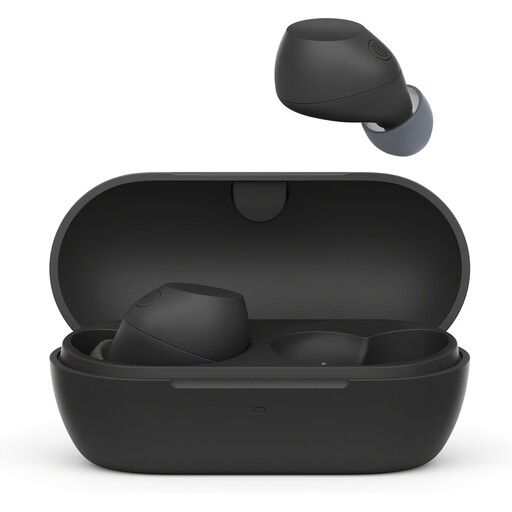
Sony WF-C710N, Black
A wireless in-ear option for listening on the go. If you want to stay aware of your surroundings from time to time, check the details of this model’s ambient mode before buying.
True wireless Bluetooth in-ear headphones are listed in the product name.
View at Joybuy
Frequently asked questions
How can I compare two orchestral recordings without confusing changes in fit with changes in sound?
Listen to the same familiar passage several times, keep the volume moderate and make the fit as consistent as possible. F.A.Z. Kaufkompass highlights how fit affects the impression of the sound; keeping your listening conditions consistent helps you account for this when comparing recordings.
Can I connect wired in-ear headphones directly to my playback device?
Only if the plug and socket are compatible. The Sennheiser IE 200 and Shure SE215 are listed with a 3.5 mm plug; check the socket on your particular device and whether you’ll need a suitable adapter. A detachable cable won’t necessarily fit every model.
What can I do if one side of my in-ear headphones gets quieter?
First, check the fit, eartip and any visible dirt. Shure recommends keeping the sound outlet facing down when cleaning its earphones, and avoiding pressing the tool deep against the filter; for other models, follow their specific care instructions.
How can I keep track of the volume when listening outdoors?
Keep an eye on the volume and how long you listen, and take breaks. The World Health Organization points out that both factors matter for hearing; if you experience ringing in your ears, turn the volume down. This is general hearing advice, not a specific volume rule for campsites.


