What should you look for when buying?
First decide whether you’ll compare recordings sitting up before bed or listen while lying on your side. This will shape your priorities for sound profile, fit and cable.
| What matters |
What to check when buying |
Who is it important to? |
| Sound balance |
Listen to the same familiar sections at a similar, moderate volume. Check the fit and seal before comparing bass, vocals and quiet details. |
If I want to assess groups of instruments and quiet passages, the sound in my own ears matters more than a description alone. Sound comparison is the top buying consideration for around 36% of consumers. |
| Comfort when lying on your side |
Look at the shape of the housing and the available tip sizes. Check the fit in your usual sleeping position and take the earphones out if they cause pressure or pain. |
If you want to listen in bed, you’ll want to make sure the housing and cable don’t get in the way when you lie down. Comfort when lying down is likely to be the top priority for around 29% of consumers. |
| Isolation |
Check the fit of the tips and how well they block noise at a moderate volume. Consider whether you still need to hear alarms or other important sounds. |
If noise in the room drowns out quiet orchestral passages, I want to hear them better without simply turning up the volume. Around 21% of consumers prioritise isolation. |
| Connection and playback |
Check that the plug or adapter works with your playback device. For wireless models, check Bluetooth playback of your own music and whether the battery life suits your listening time. |
If you want to listen without a cable getting in the way, check that you can play your own recordings on your existing device. For around 14% of consumers, going wireless or having the right connection is the deciding factor. |
Joybuy products for wireless listening
This selection includes wireless in-ears for Bluetooth playback, including models with ANC and one described as suitable for side sleepers. Check the sound and fit with your own recordings and in your usual listening position.
 No image available
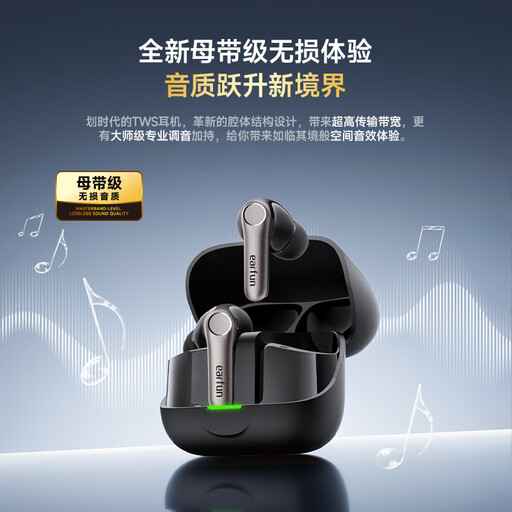
EarFun Air Pro 4+ Hi-Res Dual Driver
A wireless option if you want to listen to your recordings over Bluetooth and use ANC.
The product details list a dual-driver system, Hi-Res, LDAC, aptX Lossless and up to 54 hours of battery life, including the charging case.
View at Joybuy
 No image available
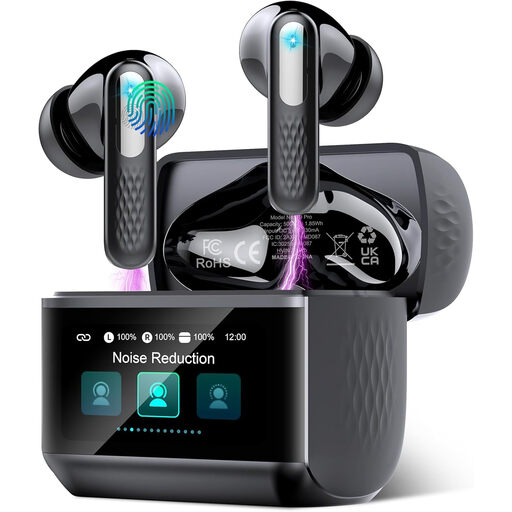
Bluetooth 5.4 in-ear headphones with ANC and touch controls
A possible fit if you’re looking for wireless in-ears with ANC and Transparency modes.
Features listed include 10 mm drivers, up to 5 hours of playback per charge and up to 40 hours with the charging case.
View at Joybuy
 No image available
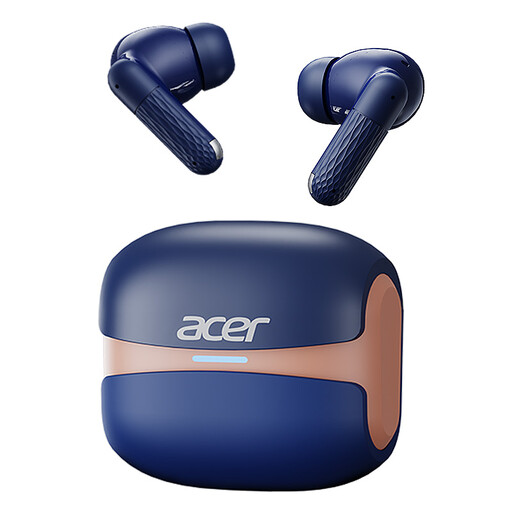
Acer OHR548
A wireless in-ear option if you want to play recordings over Bluetooth.
The product name lists Bluetooth 5.4 and a Type-C charging case; the description mentions HIFI decoding and 3D surround sound.
View at Joybuy
 No image available
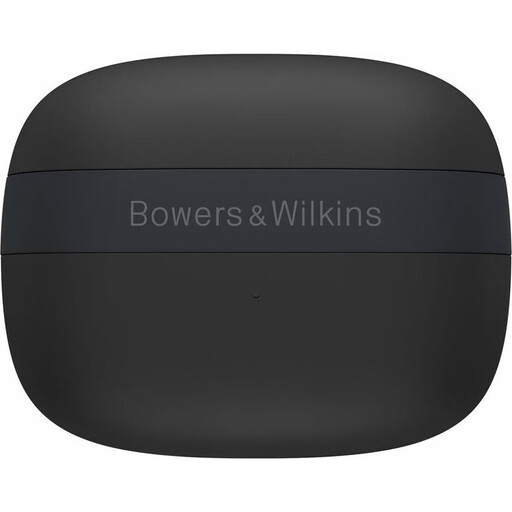
Bowers & Wilkins Pi6
A wireless option if you want to try ANC and different ear tip sizes.
Features listed include four interchangeable ear tip sizes, 12 mm drivers, Bluetooth 5.4 and up to 8 hours of battery life.
View at Joybuy
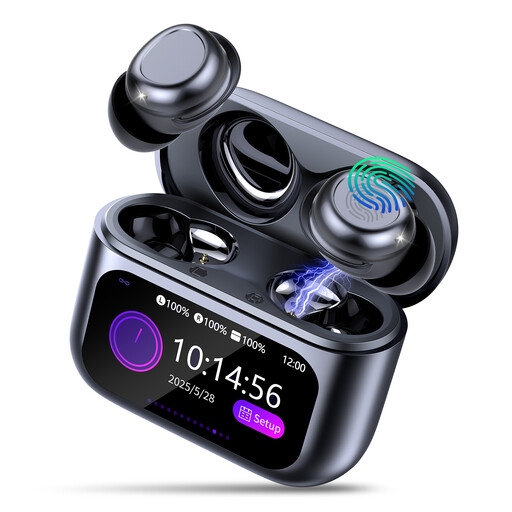 No image available
ZYHKON Bluetooth earphones for side sleepers
The seller describes a slim design for side sleepers; still check the fit in your usual sleeping position.
The product description lists five EQ modes and ENC for reducing noise during calls.
View at Joybuy
Frequently asked questions
How do you compare two orchestral recordings using in-ears?
First choose tips that seal comfortably, then listen to the same familiar passages at a similar, moderate volume. Shure notes that a poor seal can affect the bass on the SE215; manufacturer descriptions such as ‘balanced’ or ‘flat’ are no substitute for comparing the sound in your own ears.
Is it safe to wear in-ears while sleeping?
Not in every case: the Cleveland Clinic lists possible risks including pressure pain when sleeping on your side and difficulty hearing important sounds. If you’re only comparing recordings before falling asleep, you can take the earphones out afterwards; don’t keep wearing them if they cause pain.
Which mode plays your own music on the soundcore Sleep A30?
According to soundcore, Bluetooth mode is for music from a playback device, while Local mode plays noise-masking sounds. Check that the playback mode you want is suitable for your orchestral recordings.
How loud and for how long should you listen?
The World Health Organization recommends considering volume and total listening time together. Its examples include 80 dB for up to 40 hours a week and 90 dB for four hours a week; you can’t apply these figures directly to a headphone volume setting. Keep playback at a moderate level rather than turning it up sharply to make quiet passages easier to hear.
Can you always withdraw from an online in-ear purchase in Germany after trying the earphones?
No, not in every case. Online purchases of goods generally come with a 14-day withdrawal period from the date of receipt. However, Section 312g of the German Civil Code (BGB) provides an exception for sealed goods that are unsuitable for return for health protection or hygiene reasons, if their seal was removed after delivery. Whether these conditions apply to a particular item cannot be determined solely from the product category ‘in-ear’.


