What should you look for when buying?
Closed-back and wired
A good fit if: you want to listen without a battery or wireless connection when household noise is a regular issue.
Bear in mind: Passive isolation depends on the fit; make sure the plug matches the output.
Closed-back with Bluetooth and ANC
A good fit if: background noise bothers you and you want to listen wirelessly.
Bear in mind: Check how well they work in your listening space, and keep the ANC mode and sound settings consistent when comparing recordings.
Open-back and wired
A good fit if: you can listen in a quiet space and want to compare the sense of space in recordings.
Bear in mind: Open ear cups let in background noise and allow music to leak out.
First decide how much isolation you need where you listen. Then compare the sound signature, comfort and connection options of the specific model.
| What matters |
What to check when buying |
Who is it important for? |
| Blocking out noise during quiet passages |
How well they fit where you listen; for ANC models, how effectively they reduce the noise in that space. |
If household noise is masking quiet orchestral passages, I first want to know whether the headphones fit well and block out enough sound where I listen. Around 34% of consumers put noise isolation first. |
| Sound balance and spatial imaging |
Listen to the same familiar passages at matched volumes; leave EQ and spatial audio settings unchanged. |
When comparing familiar passages, I don’t want to confuse differences in the recording with boosted bass or changed sound settings. Around 33% of consumers prioritise sound comparisons and instrumental balance. |
| Comfort during longer listening sessions |
Try the specific model for the amount of time you expect to listen; check the clamping force and ear cup size. |
If I’m listening to several recordings in a row, I need a fit that stays comfortable. Around 20% of consumers prioritise long-term comfort. |
| Connection and operating mode |
Check that the plug or Bluetooth connection works with your audio source, and confirm which playback options the exact model supports. |
To avoid unknowingly switching connection or operating modes while comparing recordings, I need headphones that work with my audio source. Around 13% of consumers put connection and operation first. |
Joybuy headphones for comparing recordings
The following Joybuy models offer noise cancellation for different listening needs and connection types. If you’re considering a wired option, check that it’s compatible with your audio source.
 No image available
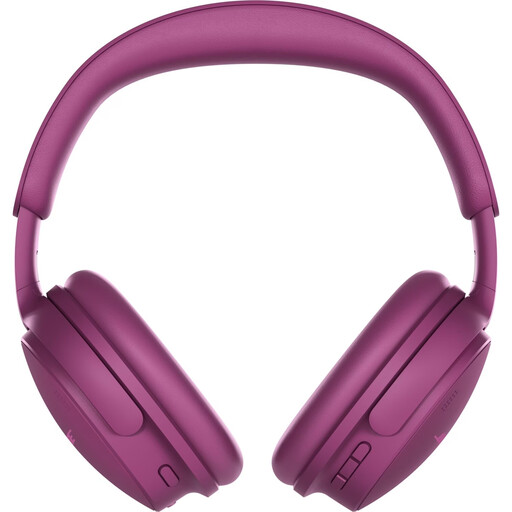
Bose QuietComfort Wireless Noise Cancelling Headphones (2nd Gen), Rosewood Mauve
An over-ear option if you want to use ANC and listen over Bluetooth or a wired connection; check that your audio source supports USB-C audio.
Bluetooth 5.3; 24-hour battery life; USB-C.
View at Joybuy
 No image available
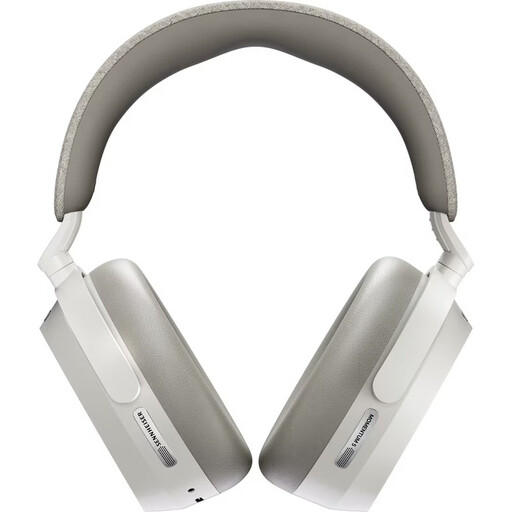
Sennheiser Momentum 5 Wireless Over-Ear Headphones, White
The closed-back design and ANC are useful if you listen somewhere with distracting background noise; keep the settings consistent when comparing recordings.
8 microphones; Dolby Atmos; Bluetooth 5.4; up to 57 hours of battery life; replaceable battery.
View at Joybuy
 No image available
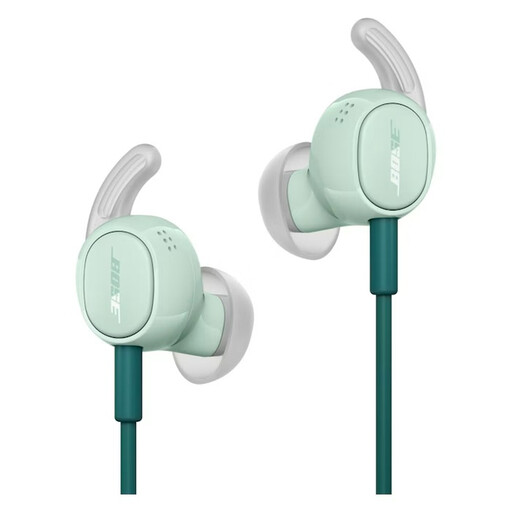
Bose Noise Cancelling Wired Earbuds, Dewdrop Mint
A wired in-ear option if your audio source supports USB-C audio. The product information specifies compatibility with USB-C devices only.
View at Joybuy
 No image available
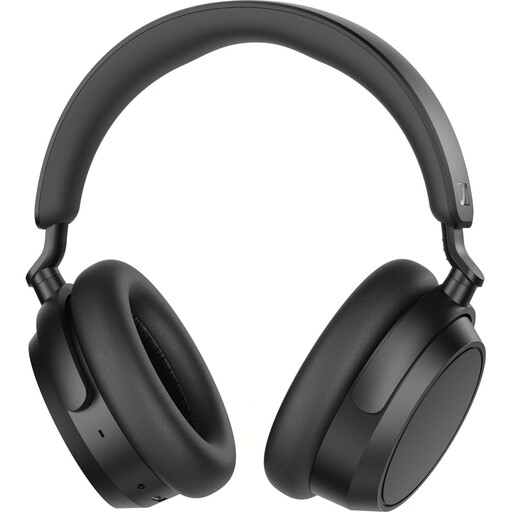
Sennheiser Accentum Plus Wireless Over-Ear Headphones, Black
ANC and the closed-back design are useful for blocking out distracting noise. If you want to switch between wireless and wired listening, check your audio source’s connection options.
Bluetooth 5.2 with aptX and Multipoint; 50-hour battery life; detachable cable.
View at Joybuy
 No image available
JBL Tune 780NC, wireless over-ear headphones, Black
A wireless over-ear option with ANC for comparing recordings when background noise is a distraction. Check that the pairing options work with your audio source for the comparison you have in mind.
Active noise cancellation; Multipoint connection.
View at Joybuy
Frequently asked questions
Are open-back headphones suitable for comparing recordings in a noisy living room?
They’re better suited to times when you can find a quiet enough place to listen. Open ear cups let in outside noise and allow music to leak out, so check how noisy the space is first. Don’t choose them based on a spacious soundstage alone.
How can I compare several recordings as consistently as possible?
Listen to the same passages at matched volumes, and don’t change the EQ, ANC or spatial audio settings during the comparison. This keeps the settings consistent, even if the specific headphone models have different sound signatures.
What should I check before connecting wired headphones?
Check that your audio source’s output matches the plug, using an adapter if needed, and confirm the playback options supported by the exact model. beyerdynamic lists a 3.5 mm plug and a 6.35 mm adapter for the DT 700 PRO X; HIFI.DE reports that the Sony WH-1000XM6 doesn’t support music playback over USB-C.
How can I listen in a noisy room without turning the volume up unnecessarily?
Make sure the headphones fit well and offer suitable noise cancellation, rather than trying to drown out background noise by turning up the volume. The World Health Organization recommends well-fitting, noise-cancelling headphones to reduce the need to raise the volume in noisy surroundings.
What rights do you have when buying online in Germany?
When you buy remotely from a business seller, you generally have a 14-day right to cancel from the date of delivery, subject to statutory exceptions. According to the European Union, consumers are entitled to at least two years of legal protection if goods are faulty. You may have to pay the cost of returning goods when you cancel, provided the seller has correctly informed you and doesn’t cover the cost.


