The search for the right pasta can quickly become limiting in a supermarket, especially if you're looking for more than just standard durum wheat pasta. For those with special dietary needs or a desire to prepare authentic Asian dishes, the variety available online is significantly greater. This guide is designed to help you navigate the wide selection and identify the right noodle varieties for your needs when you order noodles online. We will introduce a selection of products that stand out due to their ingredients, intended use, or nutritional value.
What to Look for When Buying Noodles Online
The selection of noodles on the internet is extensive. To make an informed decision, the following criteria can be helpful.
1. Understand the Ingredients and Noodle Base
The base of the noodle determines its flavour, texture, and suitability for various diets.
- Wheat Base: The classic for Italian and many Asian noodles. It offers the familiar "al dente" bite.
- Buckwheat Base:Buckwheat noodles (soba) have a characteristic nutty flavour and a firmer texture. They are a popular ingredient in Japanese and Korean cuisine.
- Rice and Corn Base: These are often the foundation for gluten-free noodles. They provide a great alternative for people with celiac disease or gluten sensitivity.
- Konjac Root Base:Shirataki noodles are made from the flour of the konjac root. They are virtually free of calories, carbohydrates, and fat, making them an option for low-calorie noodles and low-carb noodles.
2. Check Nutritional Values for Specific Dietary Goals
Depending on your diet plan, different nutritional values are relevant. Pay attention to the information per 100g to compare products objectively. For a low-carbohydrate diet, the carbohydrate content is crucial, while for a calorie-conscious diet, the calorie information (kcal/kJ) is the main focus. Products like shirataki noodles have particularly low values here.
3. Match the Noodle to Its Intended Use and Recipe
Not every noodle is right for every dish. Thin, fine noodles like Yangchun are well-suited for light broths and soups. Firmer noodles, such as those made from buckwheat, hold their shape even when stir-fried in a wok. Classic spaghetti shapes are versatile and pair well with a wide variety of sauces.
Noodles to Consider Next
Here you will find a curated selection of noodles suitable for different culinary projects and dietary styles.
Chilkab Dried Buckwheat Noodle 400g
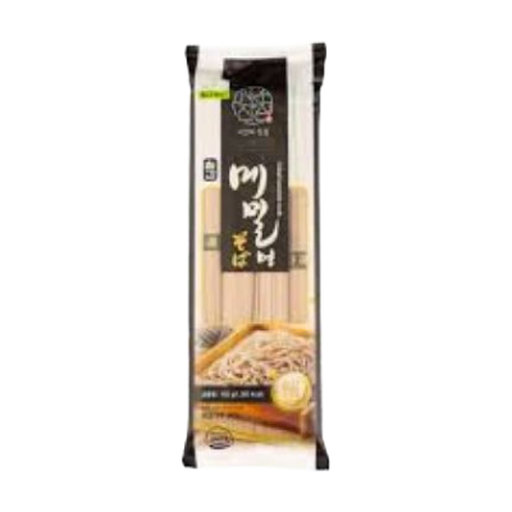
- What makes them special: These noodles consist of a multi-grain blend of wheat, buckwheat, and rye flour. This combination gives them a nutty flavour and a firm, pleasant texture.
- Benefits: The noodles are highly versatile. They are suitable for preparing hearty soups, stir-fry dishes, or even cold noodle salads. Their firm structure ensures they remain al dente even after cooking.
- Best for: Individuals who appreciate the characteristic taste of buckwheat noodles and are looking for a versatile noodle for Asian cuisine.
Product Details:
- Ingredients: Wheat flour, buckwheat flour, rye flour, rice flour, natural sodium chloride.
- Net Weight: 400 g
- Nutrition per 100 g: Energy 1423.5 kJ / 340 kcal, Carbohydrates 74.0 g, Protein 10.0 g.
Wheatsun Shanghai Yangchun Noodles 400g
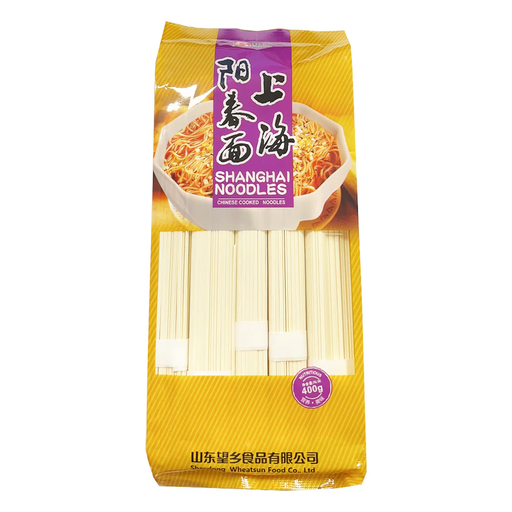
- What makes them special: A classic, thin, and smooth Shanghai-style noodle. The ingredient list is kept intentionally simple with wheat flour, water, and salt.
- Benefits: The cooking time is very short, at just 3–5 minutes. Their fine and delicate texture makes them particularly suitable for light dishes like noodle soups or as a side dish, simply seasoned with a little soy sauce and spring onion oil.
- Best for: Home cooks who appreciate authentic and quick-to-prepare Chinese dishes and prefer a noodle with a silky texture.
Product Details:
- Ingredients:Wheat flour, water, salt.
- Net Weight: 400 g
- Nutrition per 100 g: Energy 1200 kJ / 287 kcal, Carbohydrates 72 g, Protein 8.6 g.
Barilla Spaghetti gluten-free 400g
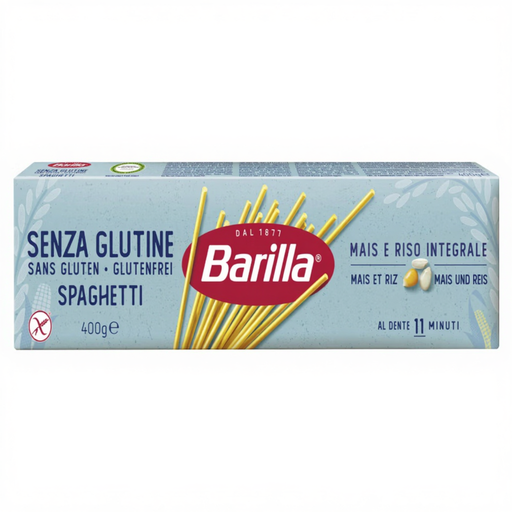
- What makes them special: These spaghetti offer the classic taste and "al dente" texture but are completely gluten-free. They are based on a blend of white corn flour, yellow corn flour, and rice flour.
- Benefits: As gluten-free noodles, they allow people with celiac disease to enjoy traditional Italian pasta dishes. The shape and texture are designed to hold sauces well.
- Best for: Individuals who need or choose to follow a gluten-free diet but don't want to miss out on the classic spaghetti experience.
Product Details:
- Ingredients: White corn flour (65%), yellow corn flour (29.5%), rice flour (5%), water, emulsifier: mono- and diglycerides of fatty acids.
- Net Weight: 400 g
- Nutrition per 100 g: Energy 359 kcal, Carbohydrates 78.7 g, Protein 6.5 g.
City Aroma Shirataki Udon Noodles 400g
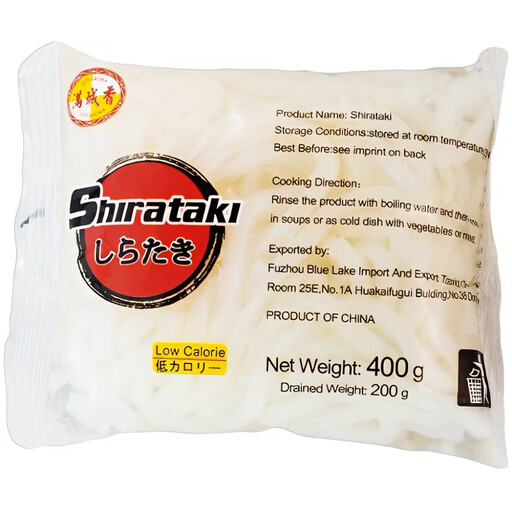
- What makes them special: These noodles are made from the konjac root, which makes them unique. They are very low in carbohydrates and calories and have a firm, slightly gelatinous consistency.
- Benefits: With only 9.5 kcal and 1.5 g of carbohydrates per 100 g, these shirataki noodles are an excellent choice for low-carb noodles or a ketogenic diet. Since they are neutral in taste, they absorb the flavour of sauces and spices very well.
- Best for: Health-conscious consumers, diabetics, and anyone looking for a low-calorie, low-carbohydrate alternative to conventional noodles.
Product Details:
- Ingredients: Konjac (54%), water, acidity regulator: calcium hydroxide.
- Net Weight: 400 g (drained weight may vary)
- Nutrition per 100 g: Energy 36 kJ / 9.5 kcal, Carbohydrates 1.5 g, Protein 0 g, Fat 0 g.
Haven't Found the Right One?
The selection presented here covers a range of needs. However, if you are looking for a different variety or a specific ingredient, there are other options available.
Discover our entire selection of 400g noodles and find the perfect match for your next dish.
Frequently Asked Questions (FAQ)
Which noodles are suitable for a low-carb diet?
For a low-carbohydrate diet, shirataki noodles made from the konjac root are an excellent choice. They contain almost no carbohydrates or calories. Noodles made from legumes like lentils or chickpeas can also be a reduced-carb alternative, but they typically contain more carbohydrates than shirataki.
What are the differences between the various Asian noodle types?
Asian noodles are incredibly diverse. Some of the most well-known include:
- Udon: Thick, soft wheat noodles from Japan, often served in soups.
- Soba: Thin noodles made from buckwheat, which can be eaten hot or cold.
- Ramen noodles: Wheat noodles treated with kansui (alkaline water), which gives them a yellowish colour and an elastic texture.
- Glass noodles: Thin, transparent noodles made from mung bean or other starches, which become translucent after cooking.
How can I identify certified gluten-free noodles?
Look for official labelling on the packaging, such as the crossed-grain symbol. Additionally, the ingredients list provides clarity. Gluten-free noodles are typically based on corn, rice, buckwheat (which is naturally gluten-free), quinoa, or legumes instead of wheat, rye, or barley.
Written by: Joybuy Product Recommendation Officer


