
Lieferung heute & morgen

Qualitätsgarantie

Willkommens-Angebote freischalten: KOSTENLOSE Lieferung | Bis zu 80 % RABATT | Kostenlose 30-Tage-JoyPlus-Testphase
App herunterladen
We've all been there: the weekly chore of lugging heavy crates of drinks, the limited selection at the local supermarket, and the constant struggle to find drinks that suit the whole family. Ordering drinks online saves you the effort and gives you access to a much wider variety. However, the online market has its own set of traps. Many products make health claims that don't hold up under scrutiny.
As your Joybuy Product Recommendation Officer, I'm here to help you separate the wheat from the chaff. In this guide, I'll show you the three most common pitfalls of buying drinks online and what to look for to make an informed decision.
The convenience of using a drink delivery service is undeniable. But to ensure that convenience doesn't lead to disappointment, you should be aware of these typical traps:
The Labelling Trap: "Fruit Juice" is Not the Same as "Fruit Drink" Many consumers assume that a drink with a picture of fruit on it must have a high fruit content. However, the terms on the packaging are legally defined and reveal a lot about the contents. A fruit drink can legally have a very low fruit content and a high proportion of added sugar and flavourings, while a fruit juice must be made of 100% fruit.
The "Hidden Sugar" Trap Even products marketed as natural or healthy can contain significant amounts of sugar. A quick look at the nutritional information table is essential. Pay attention to the value for "of which sugars". This indicates how many grams of sugar are in every 100 ml—including both naturally occurring and added sugars. A high value can be an indicator of a heavily sweetened product.
The Bulk-Buy Trap Buying a bulk pack of juice might seem cost-effective at first glance. But for juices in particular, the shelf life is limited once opened. Large containers that aren't consumed within a few days can spoil. This not only leads to food waste but also a financial loss.
To avoid these pitfalls and find the right product for your needs, focus on these two objective criteria.
The product name is the first and most important clue. In Germany, the following legal requirements apply:
buy pure fruit juice, this is the right choice. Products like Hohes C Mild Orange with Pulp are an example of 100% juice.A look at the ingredient list will confirm the quality. If sugar, glucose-fructose syrup, or another sweetener appears high up on the list, its proportion is correspondingly high.
The choice of packaging should suit your household and consumption habits.
bulk pack of juice in the form of 1-litre cartons is ideal for families or regular consumption. Products like the Jeden Tag Naturally Cloudy Apple Juice 12x1L offer good value for money for daily use. However, pay attention to the instruction "Refrigerate after opening and consume within 3-4 days."Kids' drinks in 0.2-litre or 0.33-litre packs like Capri-Sun or Valensina Kids prevent opened packages from spoiling and are perfect for school bags or outings.exotic drinks or specialty juices, smaller bottles or cans are often sufficient. Products like FOCO Lychee Drink or Sera 100% Pomegranate offer unique taste experiences in convenient sizes.Here are some recommendations tailored to different needs that meet the criteria mentioned above.
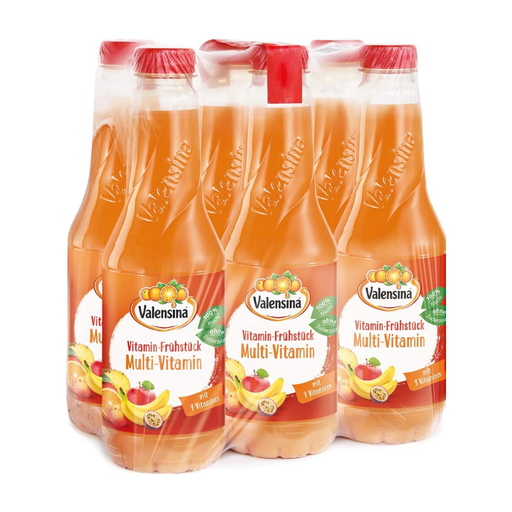
Why This Fits Their Persona: Ideal for families looking for a nutrient-rich juice without compromise. The bulk pack covers the family's needs for several days, and the added vitamins support a balanced daily diet.
With 100% fruit content and no added sugar, this product bypasses both the labelling and sugar traps. It's a true multivitamin juice, not a nectar.
Contains 9 vitamins and 1 provitamin. The 6x1L packaging is practical for bulk buying.
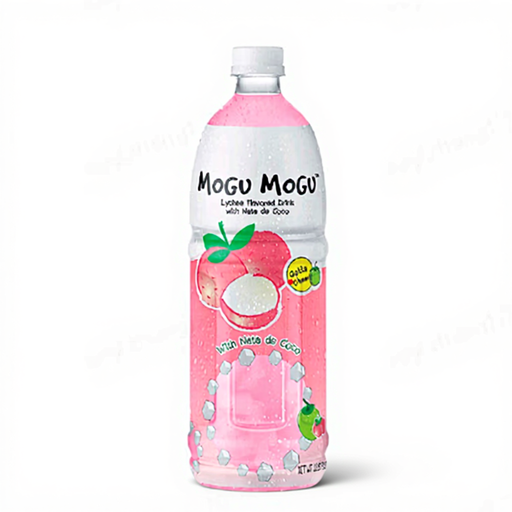
Why This Fits Their Persona: For anyone who loves variety and wants to explore new worlds of flavour. This drink combines sweet lychee juice with chewy nata de coco pieces, offering a unique drinking experience.
The product is transparently marketed as a soft drink with a special ingredient (nata de coco). It doesn't try to be a pure fruit juice, which clearly manages expectations.
A unique combination of a drink and a chewy element. Delivers a special, tropical taste experience.
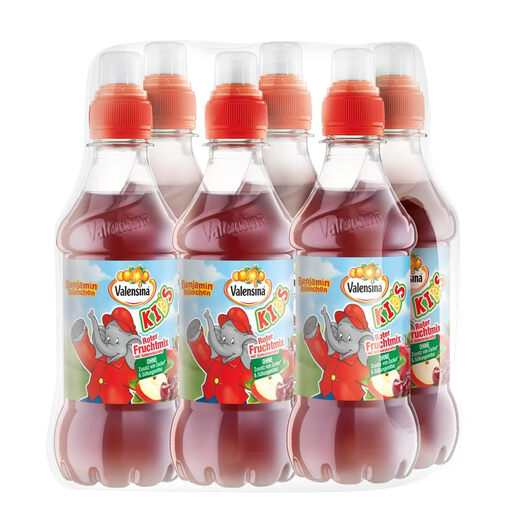
Why This Fits Their Persona: This product is specifically tailored to the needs of children. The handy 0.33-litre bottles are ideal for lunch boxes or sports clubs, and the design is appealing to kids.
The "no added sugar" label directly addresses concerns about hidden sugar. The portion size solves the shelf-life problem of bulk packs, making it a practical kids' drink.
Sweetened only with fruit, enriched with Vitamin C. Practical, resealable bottles.
We have compiled a complete, up-to-date list of products that fully meet these strict selection criteria and German regulations.
1. What is the difference between fruit juice, nectar, and a fruit drink? The main difference is the fruit content. Fruit juice is made of 100% fruit. Fruit nectar has a lower fruit content (25-50%) and may contain added sugar. Fruit drinks have the lowest fruit content and often contain a lot of sugar and flavourings.
2. How long do juices in bulk packs last after opening? Most juices in cartons or bottles should be refrigerated after opening and consumed within 3 to 5 days. Always check the manufacturer's specific instructions on the packaging to ensure freshness.
3. How can I identify drinks with no added sugar? Look for the "no added sugar" label on the front of the package. A quick check of the ingredient list provides final confirmation: if terms like sugar, glucose syrup, fructose, or other sweeteners are not listed, no extra sweetness has been added to the product. The sugar content in the nutritional table then comes exclusively from the fruit itself.