What should you look for when choosing?
First decide whether you want to soften the light on painted surfaces, bring out carving details or position a small setup flexibly. The colour rendering also depends on how the window light and LED light fall on the figure together.
| What matters when buying |
What to check |
Who is this important to? |
| Accurate colours |
Check the adjustable colour temperature and colour-rendering specifications for the exact model; then check the white balance in the finished image. |
When I photograph painted figures in changing window light, I want the colours in the image to remain consistent. Around 29% of consumers prioritise accurate colour rendering. |
| Soft fill lighting |
Check the diffuser, effective light area and, where applicable, whether a compatible softbox is available; a reflector may be enough to start with. |
When the side facing away from the window is too dark, I want to soften the shadows without creating harsh edges. Around 29% of consumers prioritise soft lighting. |
| Visible carving details |
Check whether you can aim and dim the light precisely; if needed, compare an evenly lit shot with one taken using light at a shallower angle. |
To show relief and tool marks, I need control over the direction of the light. Around 24% of consumers put visible carving details first. |
| Compact setup |
Check the dimensions, mounting and power supply for the specific version, as well as what’s included and whether accessories are compatible. |
When space by the window is limited, I want to position the light compactly without cables getting in the way. Around 18% of consumers prioritise a small setup with flexible power options. |
Lights for your photography setup
This selection includes LED lights for small photo and video setups, including spot and ring lights, as well as a compact light for macro and product photography. Before buying, check that the form, power supply and colour of the light suit your window-side setup and the image you want to create.
 No image available
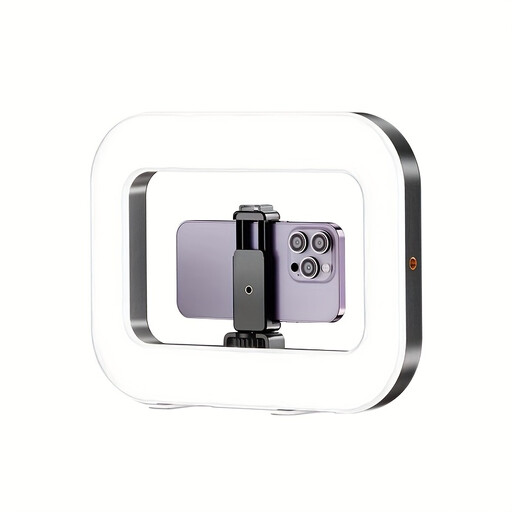
Yoever smartphone ring light with LED
A ring light with a built-in battery and adjustable brightness and colour temperature could suit a compact setup.
View at Joybuy
 No image available
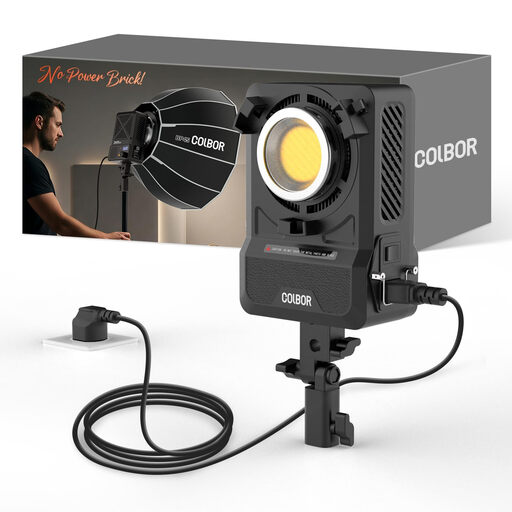
COLBOR 200W LED video light
As a bi-colour spot light with a Bowens mount, this model could suit a setup with a compatible light modifier.
Features listed in the product title: COB light source, 2700–7000 K and Bowens mount. Check that the light modifier you want is compatible with the specific version.
View at Joybuy
 No image available
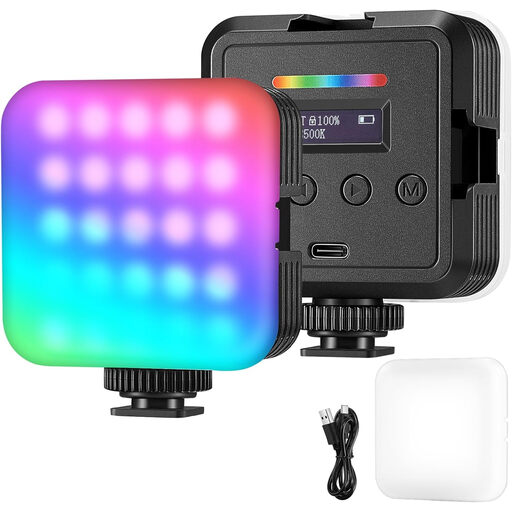
RGB LED camera light
Described as an RGB video and camera light, this model could be worth considering if you’re looking for a compact light for photography or video.
Before using it for colour-accurate documentary photos, check whether the available light modes suit the white light you want and your white balance settings.
View at Joybuy
 No image available
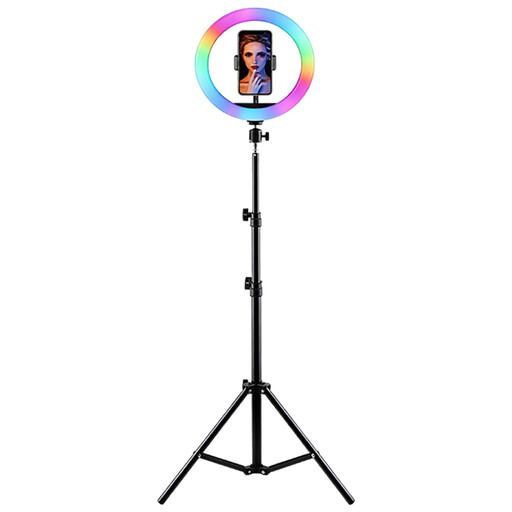
LED ring light with RGB light and stand
The stand and tilting ring give you different positioning options for a window-side setup.
Features listed in the product title: adjustable brightness and colour temperature, RGB light, height-adjustable stand and phone holder. Check that the ring size and stand will fit your available space.
View at Joybuy
 No image available
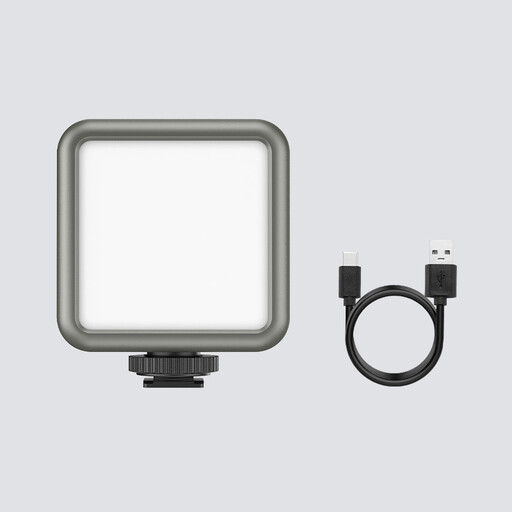
ULANZI VL49 LED video light
According to the product title, this compact light is designed for macro and product photography and could be an option when space is limited.
Features listed in the product title: 2000 mAh battery, dimmable light, 2500–9500 K and rear magnets. Check that the mounting method is suitable for your planned shooting space.
View at Joybuy
For electric lights covered by EU rules requiring CE marking, the manufacturer must meet the applicable requirements and affix the CE mark. Your Europe explains that CE marking is required only when the EU rules that apply to the product say so. Check the specific light and the power supply on offer. CE marking is not an independent quality seal.
Frequently asked questions
Do I need a video light as well as window light?
Not necessarily. If the window light is coming from the direction you want and only the shadow side is too dark, try a reflector first. An additional light gives you more control when daylight changes or you want to add a targeted highlight.
How do I match the colour of window light and LED light?
First decide whether the window will remain your main light, then set the additional light to suit the look you want. Adjust the white balance to match the lighting on the figure, and check painted surfaces and reflections in a test shot. Canon Europe points out that the colour of natural light changes with the lighting conditions.
What should I bear in mind when photographing delicate figures for longer periods?
Illuminate delicate figures only for as long as you need to take the shot, and follow the instructions for the specific light, including guidance on distance and ventilation. The Canadian Conservation Institute notes that light can damage cultural objects; the fact that a light is an LED does not, by itself, mean it is risk-free or indicate a safe exposure time.
Which accessories should I check before buying?
Check what’s included and whether the stand, softbox or diffuser, power supply and any compatible batteries are suitable. Different versions or sets don’t necessarily include the same accessories.
Which CE marking is relevant for an electric light in Germany?
For products covered by EU rules requiring CE marking, the manufacturer must meet the applicable requirements and affix the required CE mark. Your Europe explains that CE marking is required only for products covered by relevant harmonised EU rules. Check the specific light and its power supply; CE is not a general quality seal or an independent quality assessment.


