
Lieferung heute & morgen

Qualitätsgarantie

Willkommens-Angebote freischalten: KOSTENLOSE Lieferung | Bis zu 80 % RABATT | Kostenlose 30-Tage-JoyPlus-Testphase
App herunterladen
Choosing the right organic baby food can be a challenge for parents. The market is vast, and packaging often promises more than it delivers. As a Joybuy Product Recommendation Officer, I'm here to help you understand the key criteria for making an informed choice for your child's nutrition and avoiding common purchasing pitfalls.
Manufacturers often use clever wording that can be easily misunderstood. Pay close attention to these three points to avoid making the wrong choice.
Many products, especially pouches with no added sugar, are advertised with a "no added sugar" claim. However, this simply means that no granulated sugar has been added. The sweetness often comes from fruit juice concentrates or a very high fruit content, which can drive up the total sugar level. It's essential to check the "of which sugars" line in the nutritional table to assess the actual sugar content.
The EU organic seal guarantees that ingredients come from organic farming and that strict production guidelines have been followed. However, it says little about how the ingredients are processed or the nutritional balance of the final product. An organic baby food jar can still contain a high proportion of starchy fillers or a low vegetable content, despite the seal. A product's quality is determined by its entire ingredients list, not just the seal.
The age recommendations on packaging (e.g., weaning food from 4 months or baby food from 1 year) are standardised guidelines. However, every child develops at their own pace. Their developmental stage is more important than their age. Some babies are ready for lumpier textures earlier to learn how to chew, while others may need finely puréed food for longer. Pay attention to the consistency description and the ingredients to find the right meal for your child's specific stage of development.
To make a good decision, you should focus on objective and verifiable criteria. The following three parameters are crucial when you buy baby purée.
The order of ingredients indicates their proportion by weight—what comes first is most abundant. A short, easy-to-understand ingredients list is often a good sign.
The texture of the food plays a vital role in developing oral motor skills.
Jars and squeeze pouches both have their place, but they are suited for different situations.
Here are some product recommendations tailored to the specific needs of parents.
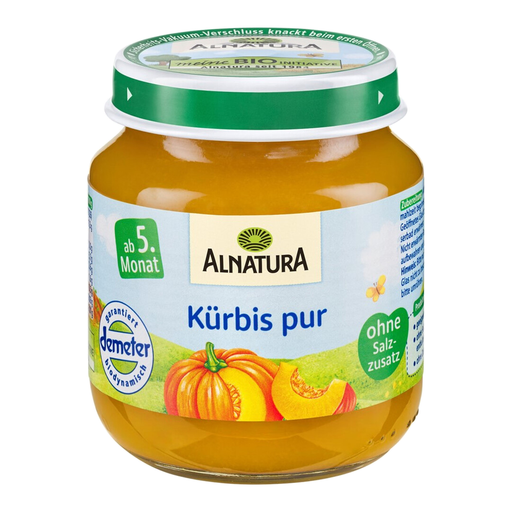
Why This Fits Their Persona: Ideal for parents starting their baby on solid foods. The simple recipe with just one vegetable (pumpkin) in Demeter quality allows you to monitor tolerance closely. The finely puréed consistency is perfect for those first spoonfuls.
This product avoids the sugar trap as it consists only of vegetables and water, with no added sugar or sweetening fruit concentrates. The ingredients list is completely transparent.
Demeter quality, which exceeds EU organic standards. Very short ingredients list (pumpkin, water) with no added salt or sugar.
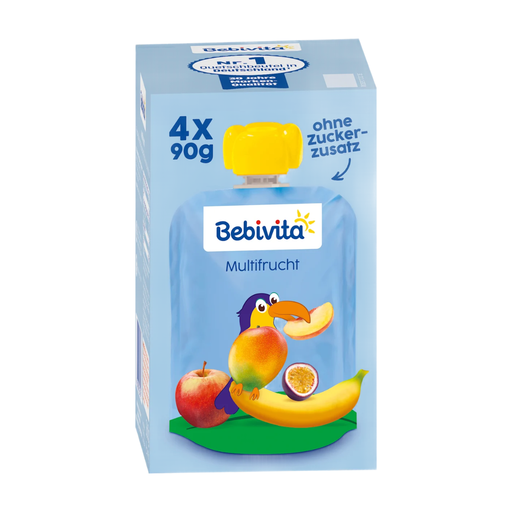
Why This Fits Their Persona: Perfect for parents of active toddlers who need a quick, hassle-free snack for the playground or days out. The resealable pouch is practical and easy to handle.
The product is clearly labelled "no added sugar" and, according to the ingredients list, consists of 100% fruit. This allows parents to make a conscious decision about whether the natural fruit sugar content is acceptable for them.
Made from 100% fruit purée. The convenient packaging encourages a child's independence and is ideal for on the go.
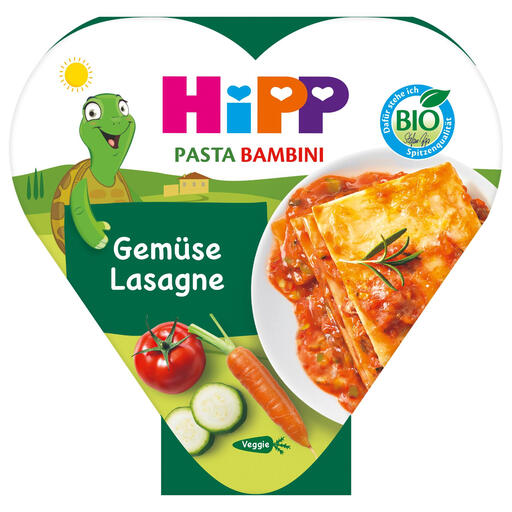
Why This Fits Their Persona: For parents looking for a quick yet complete and warm meal for their toddler. This menu offers a balanced combination of carbohydrates, vegetables, and protein, saving valuable time in the kitchen.
This product goes beyond a simple age recommendation by offering a lumpy consistency that actively encourages chewing. It's a complete meal with nutritional values tailored to the needs of toddlers.
Encourages chewing with its fine pieces. Balanced nutritional composition as a complete baby's lunch menu in organic quality.
We have compiled a complete, up-to-date list of products that fully meet these strict selection criteria and local regulations.
The surest way is to check the ingredients list. Avoid products containing "fruit juice concentrate," "fruit sweetener," or "glucose syrup." Also, compare the "of which sugars" value in the nutritional table across different products. Pure vegetable or grain purées typically have a significantly lower sugar content than fruit or mixed purées.
This varies from child to child and depends on your baby's motor skill development. As a rule, babies are ready for lumpier food between 8 and 10 months of age. Signs include good head control, an interest in family meals, and initial chewing motions. Start with small, soft lumps that your child can easily mash.
The issue with squeeze pouches isn't the content itself, but the potential for prolonged sucking. Constant contact between the sugary purée and the teeth can increase the risk of tooth decay. It is therefore recommended to squeeze the contents onto a spoon or ensure the pouch is finished quickly and not used as a toy or a permanent pacifier. Thorough dental care from the very first tooth is also essential.