
Lieferung heute & morgen

Qualitätsgarantie

Willkommens-Angebote freischalten: KOSTENLOSE Lieferung | Bis zu 80 % RABATT | Kostenlose 30-Tage-JoyPlus-Testphase
App herunterladen
Choosing the right organic baby food can be a challenge for parents. The shelves are filled with a vast array of products, all promising healthy and natural nutrition. But behind the colourful labels and marketing messages, there are often pitfalls that can lead to poor purchasing decisions. Many parents invest in products that are not optimally suited to their child's needs.
This guide will help you identify the crucial criteria and avoid common mistakes. We focus on the facts so you can make an informed choice for the start of weaning and the subsequent nutritional stages.
Common Pitfalls When Buying Baby Food:
To ensure the food meets your child's needs, you should examine three key areas: the ingredients list, the age-appropriate composition, and the quality of the raw materials.
A transparent and short ingredients list is a good sign. Pay special attention to the following points:
A baby's needs change quickly. Their food should support this development.
The EU organic seal guarantees that ingredients come from organic farming and were produced without chemical-synthetic pesticides. Some manufacturers, like Alnatura, go a step further and use raw materials from biodynamic farming (Demeter quality), which mandates even stricter guidelines for agriculture and processing.
Here are some product recommendations tailored to different age groups and requirements.
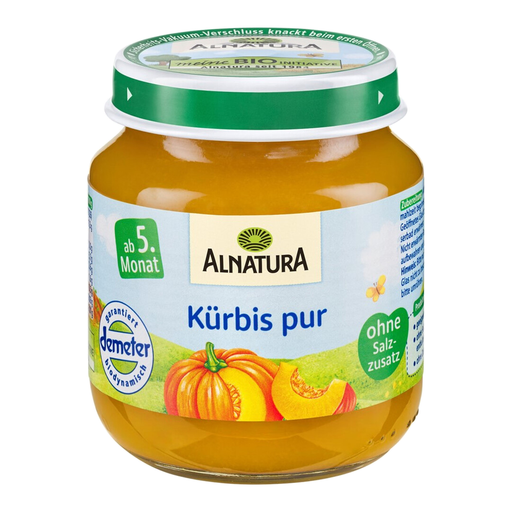
Why this product is a great fit: Ideal for parents who are just starting to introduce solids. The simple, single-vegetable recipe is perfect for gently introducing the baby to solid food and monitoring for any sensitivities.
Made of 95% pumpkin and water. There is no complex ingredients list, no added sugar, and no salt, which prevents overwhelming a young palate.
Produced to Demeter quality, which represents exceptionally high farming standards. Finely puréed for easy feeding from 4 months.
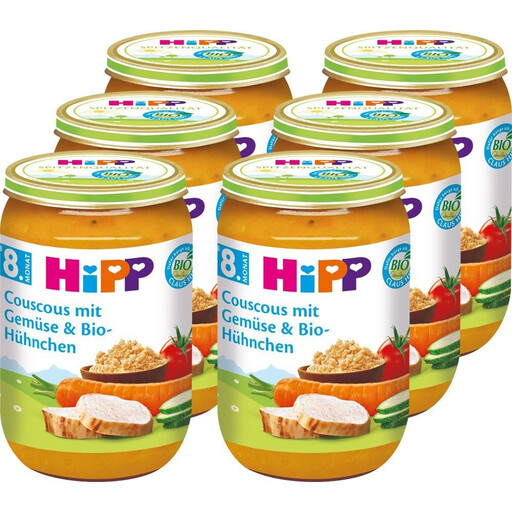
Why this product is a great fit: A complete meal for babies from 8 months who are already used to different flavours. The combination of vegetables, chicken, and couscous provides balanced nutrition. Buying it as a baby food value pack is also convenient.
The fine pieces are age-appropriate and encourage chewing without overwhelming the child. The meal has no added salt and contains valuable omega-3 fatty acids from rapeseed oil.
A complete meal in proven organic HiPP jar quality. Contains alpha-linolenic acid (omega-3), which the manufacturer states is important for the development of brain and nerve cells.
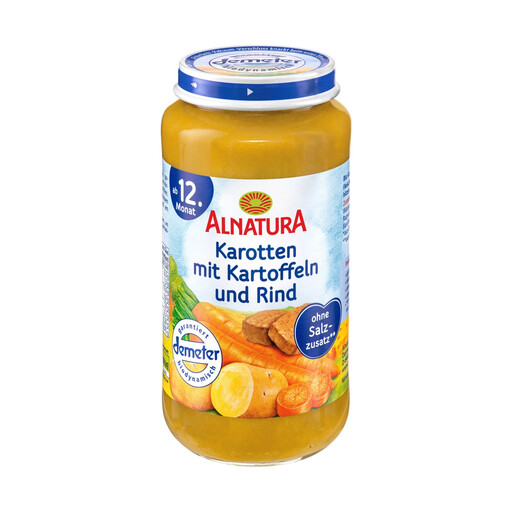
Why this product is a great fit: This toddler meal from 1 year is designed for little eaters who can already chew confidently. The chunky texture provides a new sensory experience and trains oral motor skills.
The recipe is tailored to the needs of toddlers and contains no added salt. The ingredients are clearly declared and sourced from biodynamic agriculture.
The chunky texture actively encourages chewing. The Demeter-quality ingredients ensure high-grade raw materials for a wholesome meal.
We have compiled a complete, up-to-date list of products that fully meet these strict selection criteria and all relevant regulations.
The key is to check the ingredients list, not just the front of the package. Ensure it doesn't contain sweetening ingredients like fruit juice concentrate, agave syrup, glucose syrup, or maltodextrin. Also, compare the sugar content in the nutritional table. A pure vegetable purée will always have less sugar than a fruit purée.
Once opened, the jar should be tightly sealed and stored in the refrigerator. Uneaten portions that have not been heated can typically be consumed the next day (some products for up to 2 days). Always check the manufacturer's specific instructions on the label. For hygiene reasons, any leftovers that have already been heated should not be reused.
Yes, mixing different purées is a great way to add variety. For example, you can combine a plain vegetable purée with a meat or fish preparation to create a complete meal. Before mixing, make sure your child is already familiar with and tolerates each individual component.