
Lieferung heute & morgen

Qualitätsgarantie

Willkommens-Angebote freischalten: KOSTENLOSE Lieferung | Bis zu 80 % RABATT | Kostenlose 30-Tage-JoyPlus-Testphase
App herunterladen
The selection of organic baby food on store shelves can be overwhelming for parents. Between colourful packaging and tempting marketing claims, it's a challenge to find products that not only taste good but also meet your child's nutritional needs. As your Joybuy Product Recommendation Officer, I'm here to help you identify the common pitfalls and make an informed decision.
Many products are advertised with health claims that don't always hold up to scrutiny. Pay close attention to these three points to avoid making the wrong choice:
To make the right choice, you should focus on objective criteria rather than marketing messages.
A short and understandable ingredients list is often a good sign. Look for products where the main ingredients are vegetables, fruits, or grains, not water or added sweeteners.
The texture of the food plays an important role in oral motor skill development.
Daily life with a young child is often hectic. Ready-made baby food can be a valuable help, as long as the quality is right. Look for resealable packaging on jars or pouches and portion sizes that match your child's appetite to avoid food waste. Brands like HiPP baby food or Alnatura offer a wide selection for different age groups and needs.
Here are some product recommendations tailored to the specific requirements of different families.
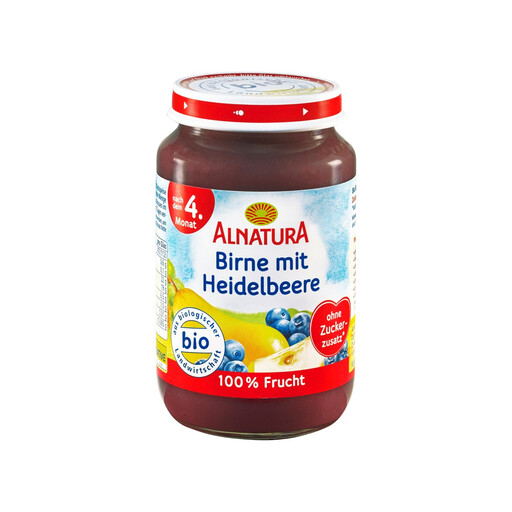
Why This Fits Their Persona: Ideal for parents who are starting solids and want to gently introduce their baby to their first fruits. The simple recipe is easy to digest.
This product avoids the sugar trap with a transparent ingredients list consisting of only 90% organic pears and 10% organic blueberries. It contains no added sugar or concentrates.
100% Organic Fruit: Pure and natural ingredients. Finely Puréed: Perfect consistency for the first stage of solids from 4 months.
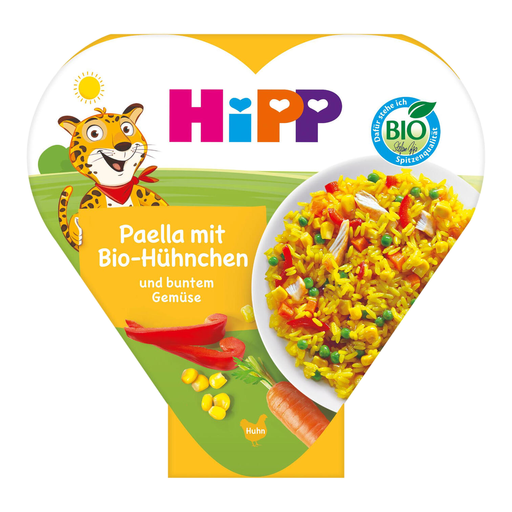
Why This Fits Their Persona: For parents of toddlers from one year old who need a quick yet balanced and complete meal that meets their nutritional needs.
This menu is a complete meal, not just a snack. The age-appropriate, chunky texture encourages chewing and is tailored to the nutritional needs of toddlers.
Balanced Recipe: Contains organic-quality vegetables, chicken, and rice. Quick Preparation: The meal is quickly heated and ready to serve.
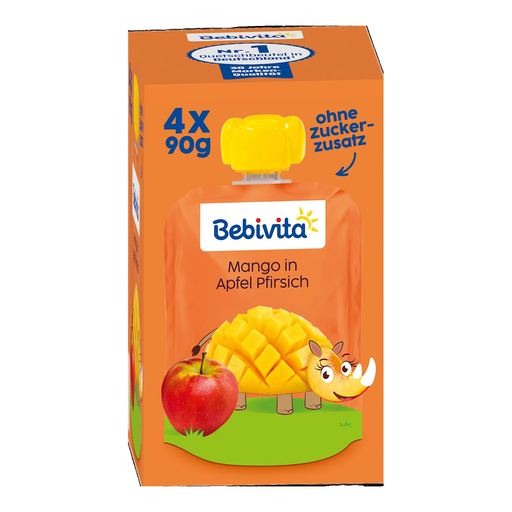
Why This Fits Their Persona: Perfect for active families who need a convenient and healthy snack for outings, the playground, or travel that doesn't require a spoon or create a mess.
This pouch is made of 100% fruit purée and has no added sugar. It's a great alternative to sugary snacks and sweets for on the go.
Convenient Packaging: The resealable pouch is ideal for on the go. Natural Ingredients: Consists exclusively of apple, mango, and peach.
If your child is ready for the next step, here is a selection of products specifically designed to encourage chewing.
Once opened, an unheated jar should be sealed, stored in the refrigerator, and consumed within 1 to 3 days, depending on the manufacturer's instructions. For hygiene reasons, any leftovers that have already been heated should not be reused.
Read the ingredients list carefully. Avoid products that contain terms like sugar, glucose, fructose, maltodextrin, or fruit juice concentrate. A look at the "of which sugars" line in the nutrition facts will reveal the total sugar content, which is naturally lower in pure vegetable purées than in fruit purées.
Constant sucking on pouches, similar to bottles with sweet drinks, can increase the risk of cavities because the teeth are continuously bathed in sugary liquid. It is recommended to squeeze the contents onto a spoon or have the child drink the pouch quickly, rather than letting them use it as a toy for an extended period.