
Lieferung heute & morgen

Qualitätsgarantie

Willkommens-Angebote freischalten: KOSTENLOSE Lieferung | Bis zu 80 % RABATT | Kostenlose 30-Tage-JoyPlus-Testphase
App herunterladen
The selection of organic baby food on store shelves can be overwhelming. As a parent, you want to make a nutritious and safe choice for your child, but the packaging often raises more questions than it answers. Many products lure you in with promises like "organic" or "no added sugar," but what's inside isn't always what you expect. This guide will help you identify the key quality markers and avoid the common pitfalls when buying baby food.
Two common hurdles when buying baby food are:
To make an informed decision, you should check three core aspects before adding a product to your cart.
The most telling information is on the back of the jar. The order of the ingredients indicates what the product contains most of. For a vegetable purée, vegetables should be listed first, not water or starch.
Pay attention to the following points:
The texture of the food plays a crucial role in oral motor skill development.
The green EU organic seal is a reliable standard. It ensures that the ingredients come from organic farming. Some brands, like Alnatura, also use the Demeter seal, which mandates even stricter guidelines for biodynamic farming.
In addition to the seal, check the nutrition facts panel. A balanced meal should contain an appropriate proportion of vegetables, carbohydrates (e.g., from potatoes, rice, pasta), and protein (from meat, fish, or plant-based sources like lentils or chickpeas).
Based on these criteria, we have selected a few products for different needs and age groups.
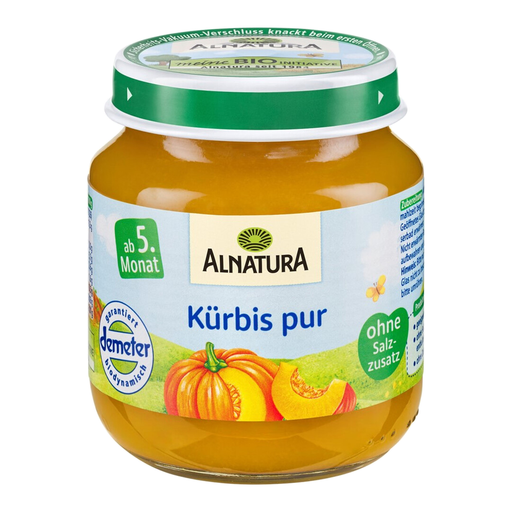
Why it's a great fit: Ideal for the first spoonfuls. The recipe focuses on a single vegetable of Demeter quality and is very finely puréed to make the transition to solid food as gentle as possible.
The transparent ingredient list with 95% pumpkin avoids the trap of hidden sweeteners or fillers. It is clearly designed for starting solids, not just a relabelled purée for older babies.
A gentle, low-allergen recipe with no added salt, in Demeter organic quality. Ideal for slowly introducing your baby to new tastes.
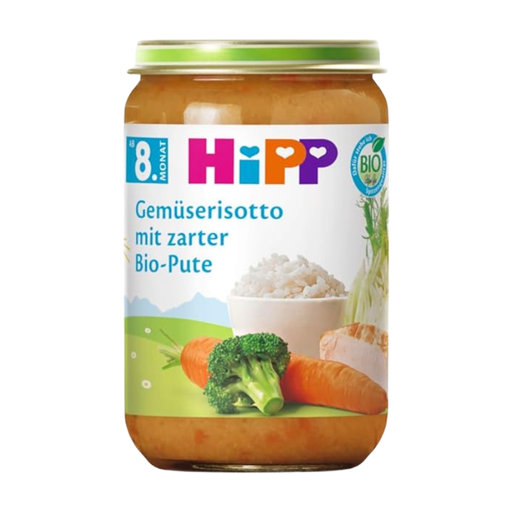
Why it's a great fit: For babies who are ready for new textures. The fine chunks encourage chewing, while the balanced recipe with vegetables and turkey provides a complete meal.
This meal goes beyond a simple "organic" promise by offering a complete meal with a defined meat content and valuable rapeseed oil (omega-3 source). It addresses the need for a truly balanced diet.
Contains fine chunks to promote chewing skills and is enriched with omega-3 fatty acids. No added salt.
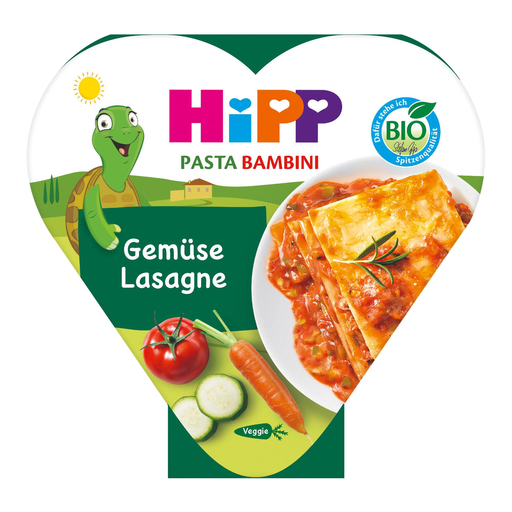
Why it's a great fit: Perfect for the transition to family meals. The heart-shaped bowl makes self-feeding easier, and the recipe is designed as a complete, toddler-friendly seasoned meal.
This product addresses the specific nutritional needs of toddlers, which differ from those of infants. It is a true toddler meal for ages 1 and up and not just a more coarsely puréed baby food.
A complete, balanced meal in a practical bowl for self-feeding, with age-appropriate seasoning.
We have compiled a complete, up-to-date list of products that fully meet these strict selection criteria and German regulations.
Read the ingredient list carefully. Don't just look for terms like "sugar" or "glucose syrup," but also check the proportion of fruit juice concentrates or fruit purées, which are often used for sweetening. A high vegetable content and the note "contains naturally occurring sugars" are good indicators of a product that is not artificially sweetened.
After successfully starting solids with plain vegetable purées, you can typically introduce meals containing meat around the 6th or 7th month. Meat is an important source of iron. Look for products explicitly labelled "from 6 months" or later that have an appropriate meat content (usually around 8%).
An opened jar from which no food has been taken with a used spoon can be stored sealed in the refrigerator. The remainder should generally be consumed within 24 hours. Always heat only the portion you need and discard any leftovers that have already been warmed up. Always follow the specific instructions from the manufacturer on the label.