Joybuy Insights

Organic Baby Food Buying Guide: Avoid Hidden Sugar and Choose Solids

The selection of organic baby food on store shelves can be overwhelming for parents. Colourful packaging and marketing claims make it hard to make an informed decision for your child's nutrition. As a Joybuy Product Recommendation Officer, I'm here to help you navigate the jungle of information and find the perfect baby food.

Many parents unknowingly fall into common traps. Here are the most frequent pitfalls and how to avoid them:

  1. The "No Added Sugar" Trap: A product marketed as "baby food with no added sugar" can still have a high sugar content. Sweetness is often achieved through fruit juice concentrates or a very high proportion of sweet fruits like bananas or grapes. This can prime a child's palate to prefer sweet tastes from an early age.
  2. Misleading "Organic" Seals: The EU organic seal is a good standard, but there are differences. Certifications like Demeter or Bioland often impose stricter requirements on cultivation and processing. Relying solely on the standard organic seal isn't always enough to fully assess product quality.
  3. Overly Complex Ingredient Lists for Beginners: Especially when starting solid foods, less is often more. Menus with many different ingredients can overwhelm a baby's developing system and make it difficult to identify potential intolerances.

What Really Matters When Choosing Organic Baby Food

To make a good choice, you should focus on objective criteria rather than marketing messages. Pay attention to the following three points.

1. The Ingredient List and Actual Sugar Content

The most important source of information is the ingredient list on the back of the package. The order of ingredients indicates which are present in the largest amounts.

  • No added sugars or concentrates: Make sure that terms like sugar, glucose syrup, fructose, or fruit juice concentrates do not appear on the list.
  • Check the nutrition facts: Compare the value for "Carbohydrates, of which sugars." A pure carrot puree naturally has less sugar than a pure apple puree. This helps you to objectively assess the sugar content.
  • No unnecessary additives: Salt, flavourings, or thickeners have no place in baby food for the first few months.

2. Age-Appropriate Composition and Texture

A baby's needs change quickly. The food should always be adapted to their specific developmental stage.

  • Baby food from 4 months: For starting out, single-vegetable purees (e.g., pumpkin, carrot, parsnip) are ideal. They are finely pureed and allow the baby to slowly get used to solid food. Brands like Alnatura baby food offer suitable products for this stage.
  • Baby food from 6 months: More complex blends of vegetables, fruit, and organic cereal puree can now be introduced. First menus with meat or fish are also possible. The texture can be slightly coarser.
  • Baby's lunch puree (from 8 months): Meals become more complete and often contain small, soft pieces to encourage chewing. Combinations of vegetables, carbohydrates (rice, pasta), and proteins (meat, fish, legumes) are common here.

3. Packaging Type: Jars vs. Pouches

Both types of packaging have their place, depending on the situation.

  • Jars (e.g., Hipp jars): These are ideal for meals at home. Leftovers can be easily stored in the refrigerator, and the glass is recyclable. It also encourages spoon-feeding.
  • Baby pouches: These are extremely convenient for on-the-go. They are lightweight, unbreakable, and resealable. However, care should be taken to ensure the child does not continuously suck on the spout, to avoid compromising dental health. Spoon-feeding should remain the norm here as well.

Our Picks for Different Needs

Here are some product recommendations tailored to different parent and child profiles.
MATCH FOR: STARTING SOLIDS
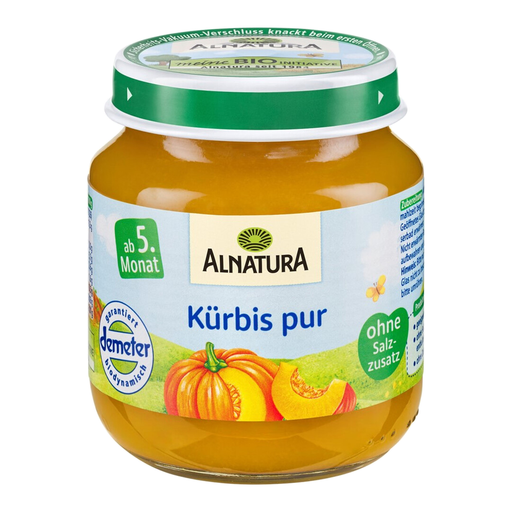
Alnatura Organic Pumpkin (from 4 Months) 125g

Alnatura Organic Pumpkin (from 4 Months) 125g

Why This Fits Their Persona: Ideal for parents who are just starting with solid foods. The mild, single vegetable is perfect for slowly developing the baby's palate and checking for tolerance.

How It Avoids the Trap

It avoids the trap of overly complex ingredients. It consists only of Demeter-quality pumpkin and water, with no additives whatsoever. This makes it easy to monitor the baby's reaction.

Key Advantage & Pros

Demeter quality that exceeds the EU organic standard. Finely pureed and with no added salt.
MATCH FOR: CONVENIENT MEALS ON THE GO
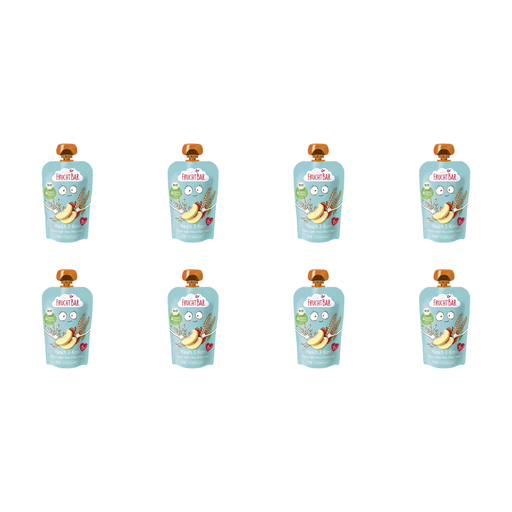
FruchtBar – Organic Peach Fruit Puree with 3-Grains

FruchtBar – Organic Peach Fruit Puree with 3-Grains

Why This Fits Their Persona: Perfect for active parents who need a quick yet nutritious snack for their baby from 6 months onwards. The resealable pouch is ideal for outings.

How It Avoids the Trap

This bypasses the sugar trap, as it's guaranteed to have no added sugar. The sweetness comes exclusively from the fruit. The ingredient list is short and transparent.

Key Advantage & Pros

A combination of fruit and grains for a more filling effect. Resealable pouch for easy portioning.
MATCH FOR: NUTRITIOUS LUNCHES
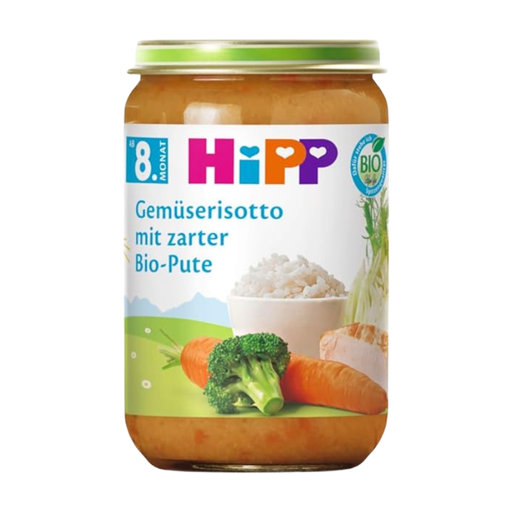
Hipp Vegetable Risotto with Tender Organic Turkey

Hipp Vegetable Risotto with Tender Organic Turkey (from 8 Months)

Why This Fits Their Persona: For parents looking for a complete and balanced lunch for their older baby. This menu offers a good balance of vegetables, protein, and carbohydrates.

How It Avoids the Trap

This meal is made without added salt. The fine pieces are age-appropriate and encourage chewing without overwhelming the child.

Key Advantage & Pros

Contains Omega-3 fatty acids from organic rapeseed oil, which are important for brain and nerve cell development. A complete meal in a convenient jar.

Looking for more options?

We've compiled a complete, up-to-date list of products that fully meet these strict selection criteria and UK/EU regulations.

Frequently Asked Questions (FAQ)

1. How can I really identify organic baby food with no added sugar?

The surest way is to look at the ingredient list. Avoid products that contain terms like "sugar," "fructose," "glucose syrup," or "fruit juice concentrate." Also, compare the sugar content in the nutrition facts table. A pure vegetable puree should contain significantly less sugar than a fruit puree.

2. Which baby food is suitable from which age?

The manufacturers' age recommendations are a good guide. In general:

  • From 4 to 6 months: Start with finely pureed single vegetables (e.g., carrot, pumpkin).
  • From 6 months: Introduce combined vegetable and fruit purees, cereal purees, and meals with meat or fish.
  • From 8 months: The texture becomes lumpier to encourage chewing. Meals become more complex and resemble complete menus.

3. Are pouches or jars better for babies?

There's no one-size-fits-all answer; it depends on the situation. Jars are ideal for meals at home, encourage spoon-feeding, and are easy to store and heat. Pouches are unbeatable for their convenience on the go. However, it is recommended to squeeze the contents onto a spoon and not let the child suck continuously from the pouch. This helps protect their teeth and promotes proper eating development.