
Lieferung heute & morgen

Qualitätsgarantie

Willkommens-Angebote freischalten: KOSTENLOSE Lieferung | Bis zu 80 % RABATT | Kostenlose 30-Tage-JoyPlus-Testphase
App herunterladen
By the Joybuy Product Recommendation Officer, August 29, 2026
Choosing the right organic baby food can be a challenge for parents. The selection is vast, and packaging often promises more than it delivers. Many well-intentioned purchases turn out to be unsuitable or fail to meet your standards for healthy nutrition. To help you make informed decisions, we're highlighting three of the most common pitfalls and showing you what to really look for.
Navigating the supermarket aisle isn't always easy. Marketing messages can be confusing and distract from the essential product features.
The Sugar Trap: "No Added Sugar" Isn't Always Low in Sugar. Many products advertise that they contain no added sugars. While that's a good start, the sweetness is often achieved through fruit juice concentrates or a very high proportion of sweet fruits. The result is a product that, while technically having no added sugar, still has a high total sugar content. This can shape a child's palate towards sweet flavours from an early age.
The Texture Trap: Not Every Age Recommendation Suits Your Baby's Development. The "from 6 months" label is a rough guideline. A baby who is just starting solids needs a very finely puréed food. An older baby, on the other hand, benefits from a chunkier consistency to learn how to chew. A product that is age-appropriate but has an unsuitable texture can make feeding difficult or fail to adequately support motor skill development.
The Organic Trap: Quality Differences Behind the Seals. The green EU organic seal is a reliable standard that guarantees organic farming. However, there are farming associations like Demeter whose standards are even stricter. Demeter baby food is produced according to biodynamic principles, which view the entire farm as a single, self-sustaining ecosystem. If you place the highest value on sustainability and holistic production methods, you should be aware of these differences.
To avoid these traps, you should check three core parameters before buying. These will help you objectively assess a product's quality.
A clear and short ingredient list is usually a good sign. Make sure the main ingredients (e.g., vegetables, fruit, meat) are at the beginning of the list.
The right texture is crucial for acceptance and the learning effect during meals.
A look at the seals provides information about the agricultural standards.
Based on these criteria, we have selected a few products for different requirement profiles.
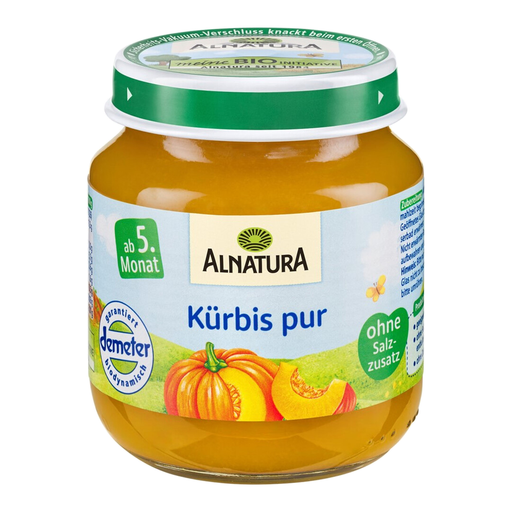
Why this product is a good fit: Ideal for those first spoonfuls. The recipe consists of just two ingredients—pumpkin and water—and is finely puréed, which aids acceptance and is gentle on the digestive system.
It bypasses the sugar trap with its pure vegetable taste and avoids the texture trap with a fine purée perfect for starting solids.
Made from 95% pumpkin of Demeter quality. No added salt and naturally gluten-free.
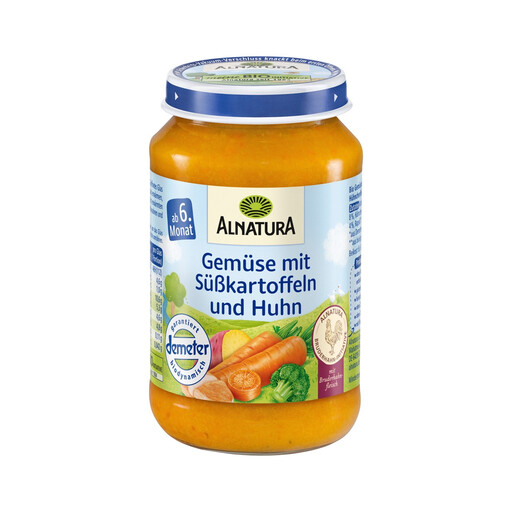
Why this product is a good fit: A balanced meal for babies who are already accustomed to vegetables. The combination of vegetables, chicken, and rapeseed oil provides essential nutrients for a growing body.
Offers a complete, savoury meal instead of just a fruit purée. The finely puréed texture is precisely tailored to the needs of babies from 6 months.
A complete baby lunch meal of Demeter quality. The chicken comes from the Alnatura Brother Rooster Initiative.
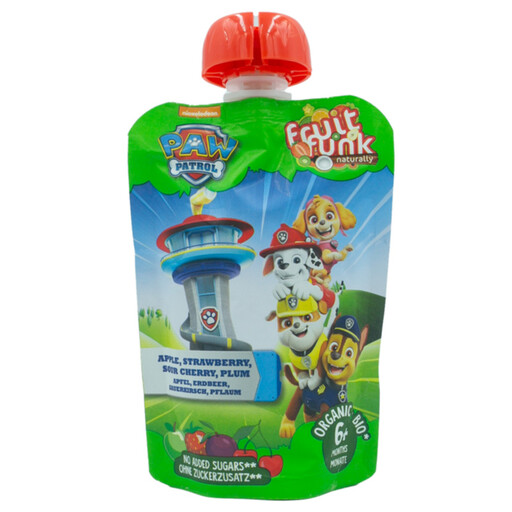
Why this product is a good fit: This pouch is a practical and healthy alternative to sugary snacks for outings. It consists of 100% organic fruit and is easy to transport.
Contains no added sugar or fruit juice concentrates. The sweetness comes exclusively from the whole fruits (70% apple, 10% strawberry, 10% cherry, 10% plum).
A convenient, healthy baby snack with EU organic certification. The packaging is resealable and ideal for on the go.
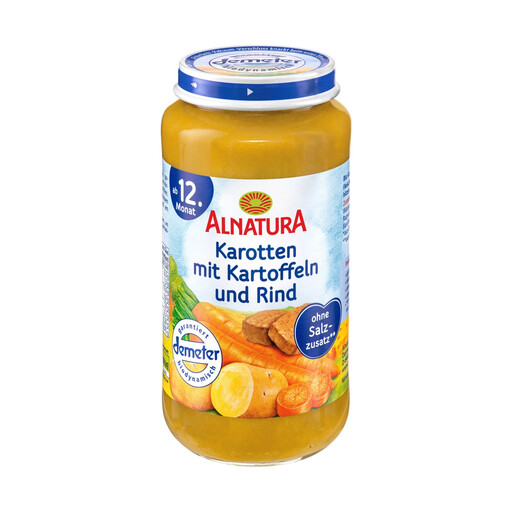
Why this product is a good fit: This meal is specially designed for toddlers aged 12 months and older. The chunky consistency actively promotes chewing muscles and prepares them for eating at the family table.
Specifically addresses the texture trap by offering an age-appropriate, chunky texture that would be unsuitable for younger babies. The recipe is savoury and not designed to be sweet.
Promotes oral motor skill development. The ingredients come from biodynamic (Demeter) and organic farming.
We have compiled a complete, up-to-date list of products that fully meet these strict selection criteria.
The crucial clue is in the ingredient list. Ensure that terms like sugar, glucose syrup, fructose, dextrose, or fruit juice concentrate are not listed. The statement "contains naturally occurring sugars" is normal, as fruits and vegetables contain natural fruit sugar. The nutrition table under "Carbohydrates, of which sugars" will tell you the total sugar content.
The general recommendation is to start introducing solids between the beginning of the 5th and the end of the 6th month of life. More important than age are your child's individual signs of readiness: they can hold their head up independently, show interest in your food, and the tongue-thrust reflex, which pushes food out of the mouth, has diminished. If in doubt, consult with your paediatrician or midwife.
Baby food pouches are extremely practical for on the go. They allow for a simple, clean meal without a spoon and bowl. However, for regular feeding at home, feeding from a spoon is recommended. This promotes oral motor skills, the sensory perception of different textures, and the social experience of a shared meal. A balanced use of both formats is therefore a good approach.